Font by Mehr Nastaliq Web

aaj ik aur baras biit gayā us ke baġhair

jis ke hote hue hote the zamāne mere

CANCEL DOWNLOAD SHER

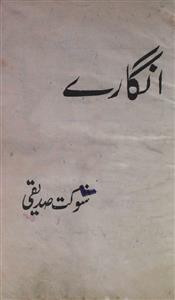
Author : Shaukat Siddiqui

Publisher : Nisar Husain

Year of Publication : 2009

Language : Urdu

Categories : Novel

Pages : 745

Contributor : Syed Kashif Raza

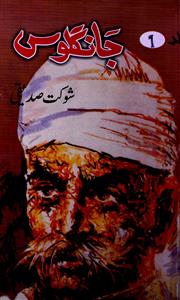
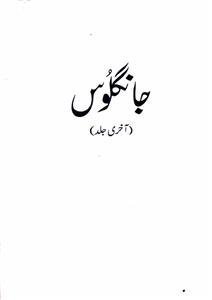
Jangloos
For any query/comment related to this ebook, please contact us at haidar.ali@rekhta.org
About The Book

شوکت صدیقی کا ناول "جانگلوس" اردو کے ضخیم ترین ناولوں میں سےایک ہے ۔ اس ناول کوپنجاب کی الف لیلیٰ بھی کہا جاتا ہے۔ "جانگلوس" پاکستان کے وسطی پنجاب کے پس منظر میں لکھا گیا ناول ہے۔ اس ناول کا لینڈاسکیپ صوبہ پنجاب ہی ہے۔جس میں معاشرتی رموزیات کو لا رموز کیا گیا ہے۔ جو اس علاقے کی جغرافیائی اور نفسیاتی کی بہتریں حقیقت پسند تصویر کشی ہے۔ یہ واحد ناول ہے جس میں پورے ملک کی تہذیبی، ثقافتی، معاشرتی، معاشی، اقتصادی صورتِ حال کو مجموعی طور پر منعکس کرنے کی بجائے ہر علاقے کے انفرادی رحجانات کو عیاں کیا گیا ہےجس کے لیے شوکت صاحب نے وہاں کی ثقافت، بود وباش، رسم رواج، اخلاقی معیارات،جرائم معاشرتی، سیاسی اور معاشی مزاج کے پس منظر کا گہرائی سے مطالعہ اور تحقیق کی۔ اس ناول میں مجرمانہ معاشرے کی عکاسی کی گئی ہے۔ جانگلوس کی کہانی دراصل دو قیدیوں، لالی اور رحیم داد، کی کہانی ہے کہ جو جیل سے فرار ہوتے ہیں اور پولیس سے چھپنے کے لیے در بدر کی ٹھوکریں کھاتے ہوئے مختلف جرائم پیشہ افراد سے ان کو سابقہ پڑتا ہے،یہ ناول استحصالی قوتوں کی قلعی کھولتا ہے خاص طور پر جاگیرداری نظام کی، جو جنوبی پنجاب میں اپنی جڑیں رکھتا ہے۔ اس میں غریب اور محروم طبقے کی حمایت پیدا کرنے کی کوشش کی گئی ہے اور امیر طبقے کی ظاہری صورت کے اندر مخفی و پنہاں گھنائونی شخصیات کو عریاں کرنے کی کوشش کی گئی ہے۔ شوکت صدیقی صاحب نے ناول میں دیہاتی لب ولہجے کو اسی زبان میں نقل کیا ہے،اس ناول کا زمانہ تخلیق 1977ء تا 1994ء تک ہے۔ یہ ناول تین جلدوں میں ہے۔ زیر نظر جلد سوم ہے۔

.....Read more

About The Author

Identity: Distinguished Novelist, Short Story Writer, Progressive Writer, and Journalist

Shaukat Siddiqui was born on 20 March 1923 in Lucknow. He received his early education in his hometown, earned a Bachelor's degree in 1944, and later completed a Master's degree in Political Science from Lucknow University. Following the Partition of India, he migrated to Pakistan in 1950. He initially settled in Lahore but soon made Karachi his permanent home. His early years in Pakistan were marked by financial hardships and political opposition, which he successfully overcame.

He was an active member of the Progressive Writers’ Association and the Pakistan Writers’ Guild, playing a significant role in advancing the progressive literary movement in the subcontinent. Siddiqui began his journalistic career in 1944 with the monthly magazine 'Tarkash' in Lucknow. Later, he worked on the news desks of Karachi’s leading English-language newspapers, including Times, Pakistan Standard, and Morning News. Through dedication and hard work, he rose to become the chief editor of prominent Urdu newspapers such as Daily Anjaam, Weekly Al-Fatah, and Daily Musawat. He retired from journalism in 1984.

Shaukat Siddiqui skillfully employed the technique of Socialist Realism in his writings. Rather than leaving his characters trapped in despair and passivity, he encouraged them to assert themselves and shape their own destinies. He portrayed the lives of Karachi’s underprivileged and impoverished communities with remarkable realism. His commitment to truth and his faith in humanity’s future remained the guiding principles of his literary career.

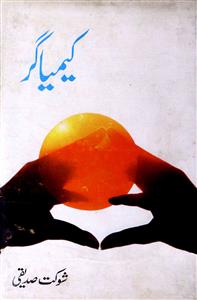
His first short story, “Kaun Kisi Ka”, appeared in the Lahore weekly Khayyam. In 1952, his first collection of short stories, Teesra Admi (The Third Man), was published and received widespread acclaim. This was followed by Andhere Dur Andhere (1955), Raaton Ka Shehar (1956), and Keemyagar (1984).

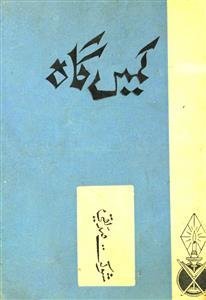
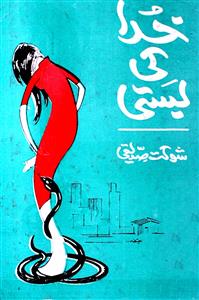
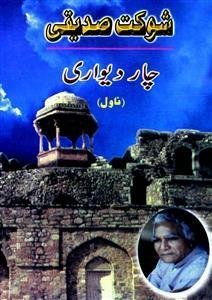
His most celebrated work is the novel Khuda Ki Basti (1957), widely regarded as a classic of Urdu literature. The novel has been adapted into several successful television dramas and stage productions. His other notable novels include Kamingah (1956), Jangloos (published in three volumes, with the first volume appearing in 1978), and Char Deewari (1990), which contain fictionalized reflections of his childhood in Lucknow.

In recognition of his literary contributions, he was awarded Pakistan’s highest literary honor, the Kamal-e-Fun Award (Lifetime Achievement Award), in 2003. Earlier, in 1960, he received the Adamjee Literary Award.

Death: Shaukat Siddiqui passed away on 18 December 2006 in Karachi at the age of 83 due to cardiac arrest.

.....Read more
For any query/comment related to this ebook, please contact us at haidar.ali@rekhta.org
More From Author

Read the author's other books here.

See More

Popular And Trending Read

Find out most popular and trending Urdu books right here.

See More
Speak Now