 For any query/comment related to this ebook, please contact us at haidar.ali@rekhta.org
About The Author
Identity: Eminent Novelist of Popular Literature, Prolific Writer, Short Story Writer, and Editor.
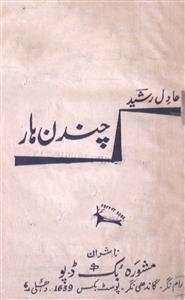
In the history of Urdu literature, Popular Literature has always remained a center of attraction for readers, yet it has often faced neglect from critics. A towering figure of this genre was Adil Rashid, whose novels were once immensely popular and sold like hotcakes, though time and lack of critical recognition denied him the status he truly deserved.
Adil Rashid's real name was Syed Manzoor-ul-Haq. He was born on November 20, 1920, in Nara (District Allahabad). He belonged to a noble and educated landowning family. His father, Syed Muhammad Fazl-ul-Haq, was a wealthy landlord, while his grandfather and great-grandfather were skilled physicians. His mother, Amat-ul-Fatima, wished for him to become a writer or a barrister, but she passed away when he was only eight years old. Nature fulfilled her wish, and Adil Rashid emerged as a great pillar of Urdu literature.
At the age of 15, he wrote his first short story, "Qarz," published in the magazine Masturaat from Kanpur. Initially writing as 'Syed Muhammad Manzoor-ul-Haq Maeewi,' he later adopted the poetic pen name 'Adil' and eventually gained fame as Adil Rashid. His life was a journey of struggle; early loss of parents, changing domestic circumstances, and the search for livelihood took him to Delhi and later to Mumbai.
In Mumbai, he worked tirelessly as a film scriptwriter. Despite facing extreme hardships and poverty due to the unfulfilled promises of filmmakers like A.R. Kardar, he never lost heart. He also served as the editor of prestigious magazines like Shahid and Hijab. A bright aspect of his personality was his altruism; he introduced renowned writers like Hajra Masroor and even stepped back from his own work to financially assist friends like Krishan Chander.
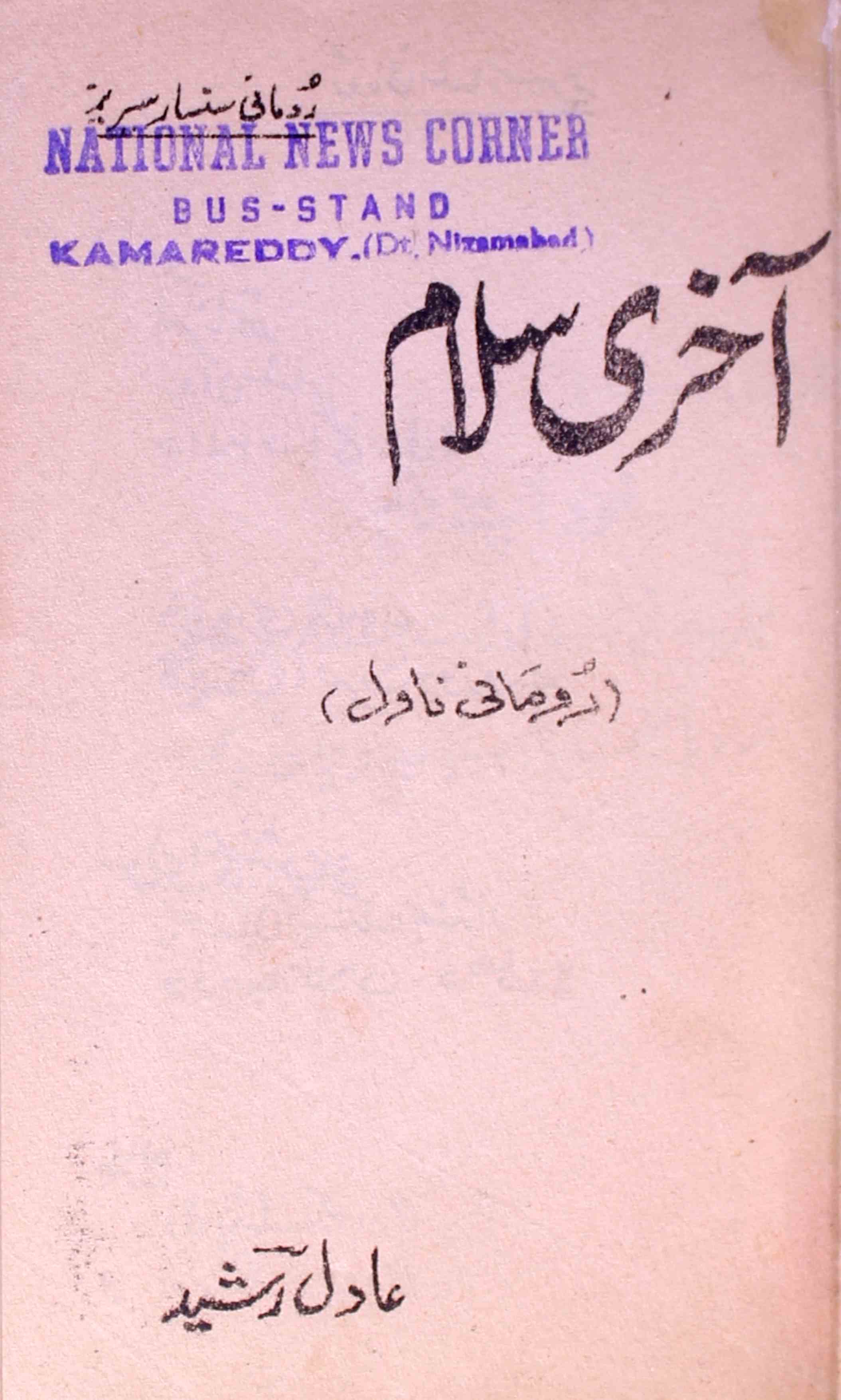
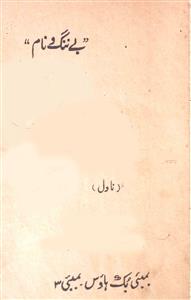
Adil Rashid was an incredibly prolific writer, authoring nearly 150 novels, numerous short stories, and biographical accounts. His first novel, Mir Sahib (1944), was exceptionally popular. Other famous works include Larzate Aansoo, Dulhan, Sushma, and Chaudhvin Ka Chand. Beyond novels, his major contributions include the reportage Khazan Ke Phool (1949), the biographical work Filmi Mohre (featuring 44 film personalities like Dilip Kumar and Nargis), and sketches titled Aaiye. He also wrote children's literature, such as Chuon Ki Hukumat. His style was simple yet captivating, making his work popular in both India and Pakistan.
Death: He passed away on January 3, 1972, at Nanavati Hospital, Mumbai.
For any query/comment related to this ebook, please contact us at haidar.ali@rekhta.org