 For any query/comment related to this ebook, please contact us at haidar.ali@rekhta.org
About The Author
Identity: Fiction Writer, Poet, Critic, and a Versatile Urdu Litterateur
Ghazanfar was born on 9 March 1953 in Choraon village, Gopalganj district, Bihar, into a rural family. His mother was Daroodan Khatoon and his father Abdul Majeeb.
His education began in a traditional madrasa. He later completed his primary and secondary education in Bihar, studying at Qutub Chhapra Upper Primary School, Simra Middle School, and V.M.M.H.E. School, Gopalganj. He subsequently earned a B.A. degree from Gopalganj College.
He enrolled in the M.A. Urdu program at Bihar University, Muzaffarpur, but later moved to Aligarh Muslim University, where he completed his M.A. in Urdu with distinction in 1976. In 1982, he obtained a Ph.D. with a dissertation on The Critical Theories of Shibli Nomani.
Professor Ghazanfar served in several prestigious linguistic and educational institutions across India. He worked as a temporary lecturer at Aligarh Muslim University, served as Senior Secretary of Urdu-e-Mualla, and was a member of the editorial board of Aligarh Magazine.
Through the UPSC, he was appointed Lecturer-cum-JRO at the Urdu Teaching and Research Centre in Solan, Himachal Pradesh, where he served for nearly twelve years. He later became Principal of the Lucknow Centre.
During his career, he also served for three years as Reader in the Department of Urdu at Aligarh Muslim University. In addition, he worked as Director of the Sindhi Academy, Vadodara, and was entrusted with the charge of Regional Languages, Patiala, Punjab.
In 2008, he was appointed Professor and Director of the Academy for Promotion of Urdu Teachers at Jamia Millia Islamia, New Delhi. After ten years of distinguished service, he retired in 2018. He also served as editor of the Urdu Style Manual and launched Tadrees Nama, a unique academic journal on language teaching.
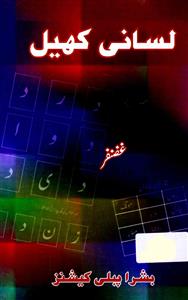
Ghazanfar is regarded as one of the significant contemporary Urdu fiction writers. He has made notable contributions to the fields of novels, short stories, poetry, literary criticism, sketches, masnavi, drama, and language pedagogy.
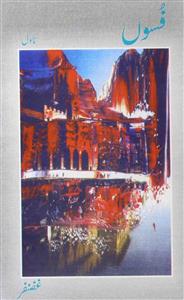
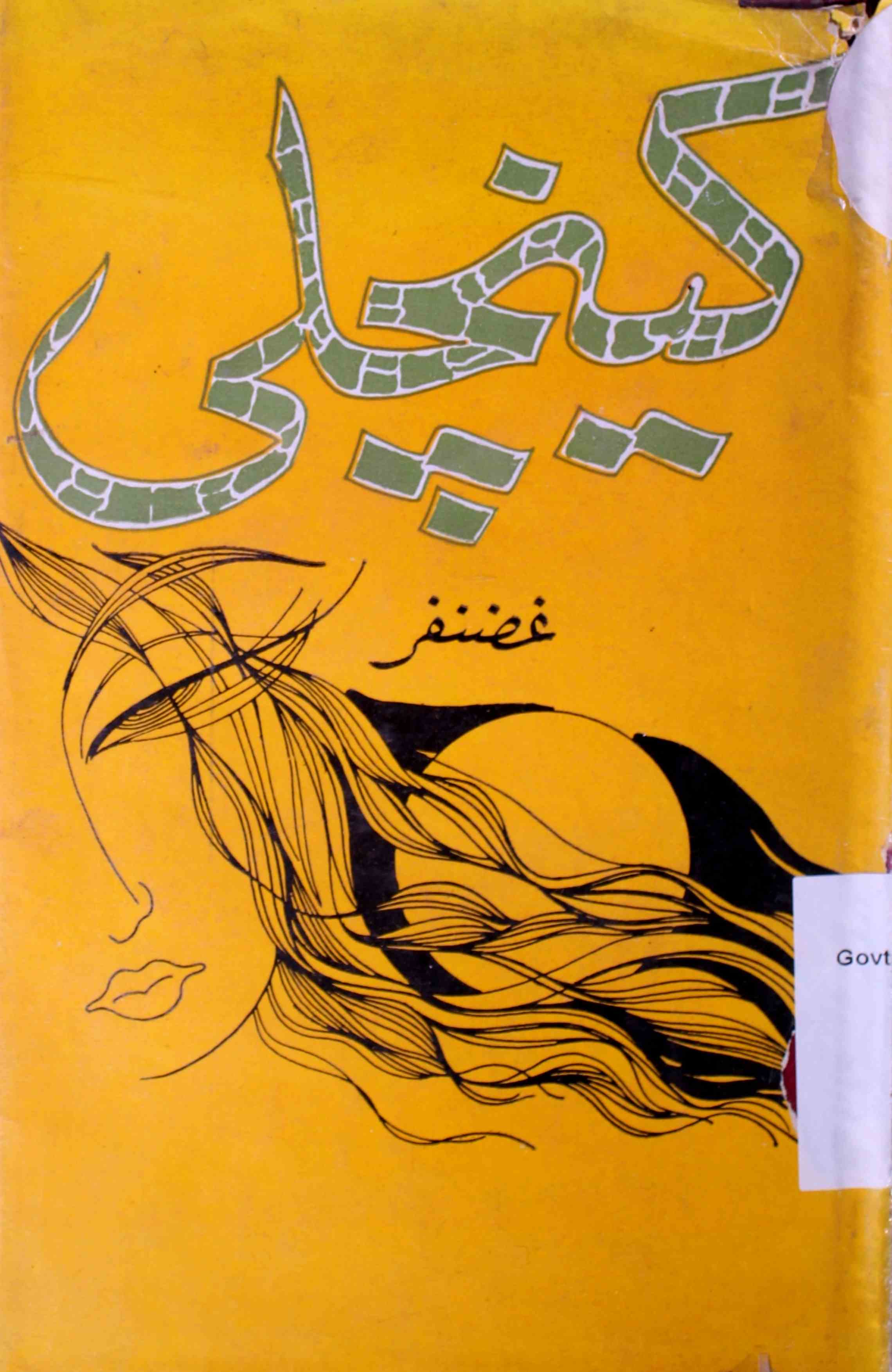
His major novels include Pani, Kenchli, Kahani Uncle, Divya Bani, Fusoon, Vish Manthan, Meem, Shoraab, and Manjhi. His novel Pani (1989) is considered one of the important Urdu novels, acclaimed for its powerful symbolic treatment of water monopoly and human struggle.
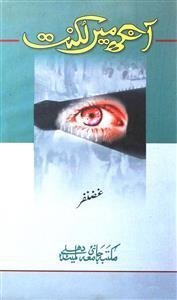
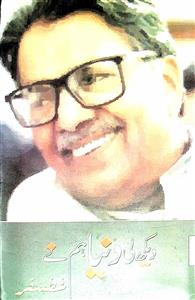
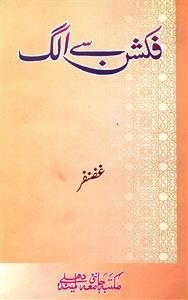
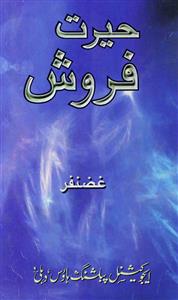
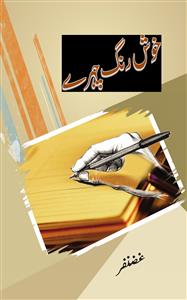
His other notable works include Hairat Farosh, Parking Area, Aankh Mein Laknat, Sukhan Ghuncha, Surkh Roo, Ruye Khush Rang, Fiction Se Alag, and Mashriqi Mayar-e-Naqd, while Dekh Li Duniya Hum Ne is his autobiography.
For his outstanding contributions to Urdu literature, Ghazanfar has received numerous literary awards and honors.
For any query/comment related to this ebook, please contact us at haidar.ali@rekhta.org