Font by Mehr Nastaliq Web

aaj ik aur baras biit gayā us ke baġhair

jis ke hote hue hote the zamāne mere

CANCEL DOWNLOAD SHER

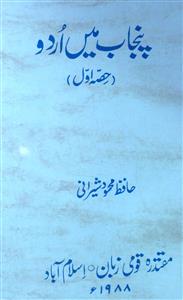
Author : Hafiz Mahmood Sheerani

Edition Number : 001

Publisher : Jameel Jalibi

Year of Publication : 1988

Language : Urdu

Categories : Language & Literature, Linguistics

Pages : 354

Contributor : Madhya Pradesh Urdu Academy, Bhopal

Punjab Mein Urdu
For any query/comment related to this ebook, please contact us at haidar.ali@rekhta.org
About The Book

اردوپرادبی لسانیاتی تحقیق کا سب سے بڑا کارنامہ پروفیسر شیرانی کی "پنجاب میں اردو"ہے،یہ کتاب تحقیق کےاعتبارسےگراں قدرتصنیف ہے،"پنجاب میں اردو" ادبیات کے ارتقائی مطالعہ کے حوالے سےایک بیش قیمت تحقیقی کام ہے،اس کتاب میں اردو اور پنجابی دونوں سے متعلق نہایت اہم اور دلچسپ لسانی پہلوؤں پر بحث کی گئی ہے۔پروفیسر شیرانی نےاس کتاب میں جومواد پیش کیا ہےوہ نہایت ہی مفید اور اردو کی تخلیق و آغاز سےمتعلق مفیدنتیجوں پرپہنچنےکےلیےکافی ممدومعاون ہے۔حافظ محمود شیرانی نےاپنےگہرےلسانی مطالعےاورٹھوس تحقیقی بنیادوں پریہ نظریہ قائم کیاہےکہ اردوکی ابتداپنجاب میں ہوئی۔ ان کےخیال کےمطابق اردوکی ابتدااس زمانے میں ہوئی جب سلطان محمود غزنوی اورشہاب الدین غوری ہندوستان پر باربار حملے کر رہے تھے۔ ان حملوں کے نتیجے میں فارسی بولنے والے مسلمانوں کی مستقل حکومت پنجاب میں قائم ہوئی اوردہلی کی حکومت کے قیام سے تقریباً دو سو سال تک یہ فاتحین یہاں قیام پزیر رہے۔ اس طویل عرصے میں زبان کا بنیادی ڈھانچہ وجود میں آیا۔ اس نظریے کی صداقت کے ثبوت میں شیرانی صاحب نے اس علاقے کے بہت سے شعرا کا کلام پیش کیا ہے۔ جس میں پنجابی،فارسی اور مقامی بولیوں کے اثرات سے ایک نئی زبان کی ابتدائی صورت نظرآتی ہے۔

.....Read more

About The Author

Identity: Great researcher, critic, manuscript expert, and an authoritative scholar of Urdu history and linguistics.

Hafiz Mahmood Shirani was an eminent researcher, critic, and historian of Urdu literature who, through his scientific research, shattered several prevalent myths in the literary world. He is world-renowned for his famous theory regarding the origin of Urdu, titled Punjab Mein Urdu.

Hafiz Mahmood Shirani was born on October 15, 1880, in the state of Tonk (Rajasthan). He belonged to the Shirani tribe of Afghans, who had settled in Rajputana during the Ghaznavid invasions. Among his ancestors, Sheikh Ahmed Khattū was a distinguished scholar. He was named Mahmood, his sobriquet was Mohammad Mikaeel, while his historical name was Nizamuddin Ismail Mohammad Miyan.

He received his primary education in Tonk and Jodhpur. After passing middle school in 1898, he moved to Lahore and obtained a certificate in Islamic sciences from Shams-ul-Ulema Mufti Abdullah Tonki. He passed the 'Munshi Alim' and 'Munshi Fazil' examinations from National College Lahore with distinction. In 1904, at his father's wish, he left for England (London) to study law.

In London, alongside law, he also studied agriculture and received military training. In 1905, he gained membership in the Royal Asiatic Society. During this period, his father passed away, leading to financial hardships. He started a business in old and rare books in London (in collaboration with Luzac & Co.), which gifted him a profound insight into research and the identification of manuscripts.

In 1922, he was appointed as a lecturer at Islamia College Lahore and was later associated with Oriental College Lahore. His research articles began appearing in journals like Makhzan and Urdu. He gained significant fame for his monumental critique of Shibli Nomani’s Sher-ul-Ajam.

Punjab Mein Urdu (1928): This is his most famous book, in which he presented the linguistic theory that the foundation of the Urdu language was laid in Punjab. For this work, the Punjab Text Book Committee awarded him a prize of one thousand rupees.

List of Important Works:

Punjab Mein Urdu: A masterpiece of linguistic research.

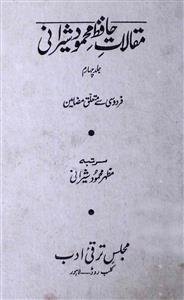
Firdousi Par Char Maqale: An important work on Persian literature.

Majmua-e-Naghz: Editing of the biographical account by Mir Qudratullah Qasim.

Khaliq Bari: Research on the authenticity of this book.

Tanqeed-e-Sher-ul-Ajam: Historical and investigative corrections.

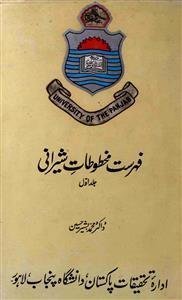
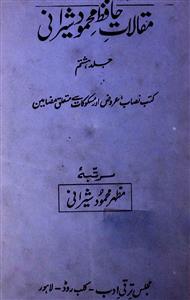
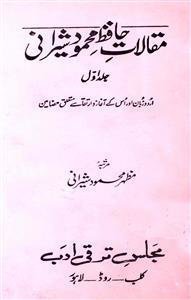
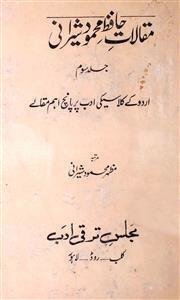
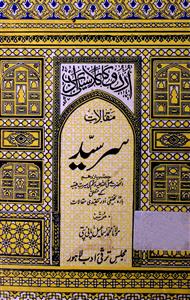
Maqalat-e-Shirani: His essays on various subjects (compiled by Mazhar Mahmood Shirani).

Shirani was not just a man of letters but also an expert in antiquities. He possessed a vast collection of rare manuscripts, coins, idols, weapons, and ancient utensils. His special fields of interest were Urdu and Persian language and literature, Islamic history, Prosody, Scripts, Numismatics, and Archaeology.

He is regarded as the 'Muallim-e-Awwal' (First Teacher) of Urdu research and a 'But-Shikan' (Iconoclast), because instead of relying on mere tradition, he corrected major errors in history and literature based on facts and evidence. His stature in research is considered equal to Qazi Abdul Wadud, though the elegance of his writing and the flow of his style distinguish him from others.

Death: He passed away on February 15, 1946.

.....Read more
For any query/comment related to this ebook, please contact us at haidar.ali@rekhta.org
More From Author

Read the author's other books here.

See More

Popular And Trending Read

Find out most popular and trending Urdu books right here.

See More
Speak Now