ABOUT THE LIBRARY
Khuda Bakhsh Oriental Public Library, Patna, is one of India's most distinguished libraries of national importance. The library originated from the private manuscript collection of the renowned bibliophile Maulvi Mohammad Bakhsh, which was greatly expanded by his son, Khan Bahadur Khuda Bakhsh. Inheriting 1,400 manuscripts from his father, Khuda Bakhsh continued to enrich the collection and transformed it into a magnificent public library, which was formally opened to the public on 29 October 1891. Today, the library functions as an autonomous institution under the Ministry of Culture, Government of India, and has been recognized as an institution of national importance under the Khuda Bakhsh Oriental Public Library Act, 1969.
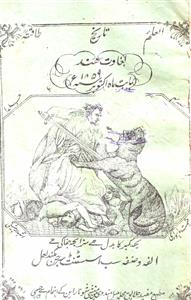
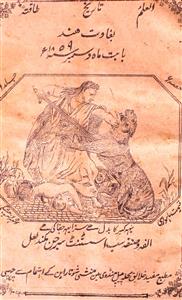
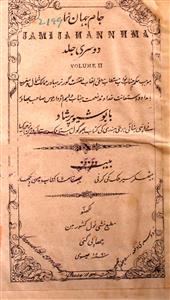
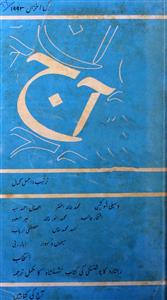
The library enjoys international recognition for its exceptional collection relating to Oriental studies, Islamic scholarship, history, literature, and the arts. It preserves more than 21,000 rare manuscripts in Arabic, Persian, Urdu, Turkish, and Pashto, including priceless manuscripts of the Shah Nama, Padshah Nama, Timur Nama, Diwan-e-Hafiz, Safinat-ul-Auliya, and a rare handwritten copy of Sahih al-Bukhari. Its collections also include Mughal and Rajput miniature paintings, masterpieces of calligraphy and manuscript illumination, a page of the Qur'an written on deer skin, and historical records such as the military accounts of Maharaja Ranjit Singh.
The library has also been designated as a Manuscript Conservation Centre (MCC) under the National Mission for Manuscripts. For more than a century, it has remained an important center for scholars, researchers, and students from around the world. A selected portion of its invaluable collection is now also available through the Rekhta Digital Library, enabling readers and researchers worldwide to access this remarkable intellectual heritage online.