ABOUT THE LIBRARY
Raza Library, Rampur, is one of India's foremost research libraries and repositories of Indo-Islamic cultural heritage. It was founded in 1774 by Nawab Faizullah Khan, the founder of the State of Rampur, from his personal collection of rare manuscripts, books, and specimens of Islamic calligraphy. Successive Nawabs of Rampur enriched the collection through their patronage of scholars, poets, calligraphers, painters, and musicians, transforming the library into one of the most distinguished centres of learning in the Indian subcontinent. The library is named after Nawab Raza Ali Khan Bahadur.
Following the upheavals of 1857, when many royal and private libraries across the subcontinent were dispersed or destroyed, the Raza Library played a vital role in preserving numerous rare manuscripts and scholarly treasures. In 1957, its collections were transferred to Hamid Manzil, where the library continues to function. Under the Raza Library Act, 1975, it became an autonomous institution under the Ministry of Culture, Government of India. It has been declared a Library of National Importance by the Government of India and also serves as a Manuscript Conservation Centre (MCC) under the National Mission for Manuscripts.
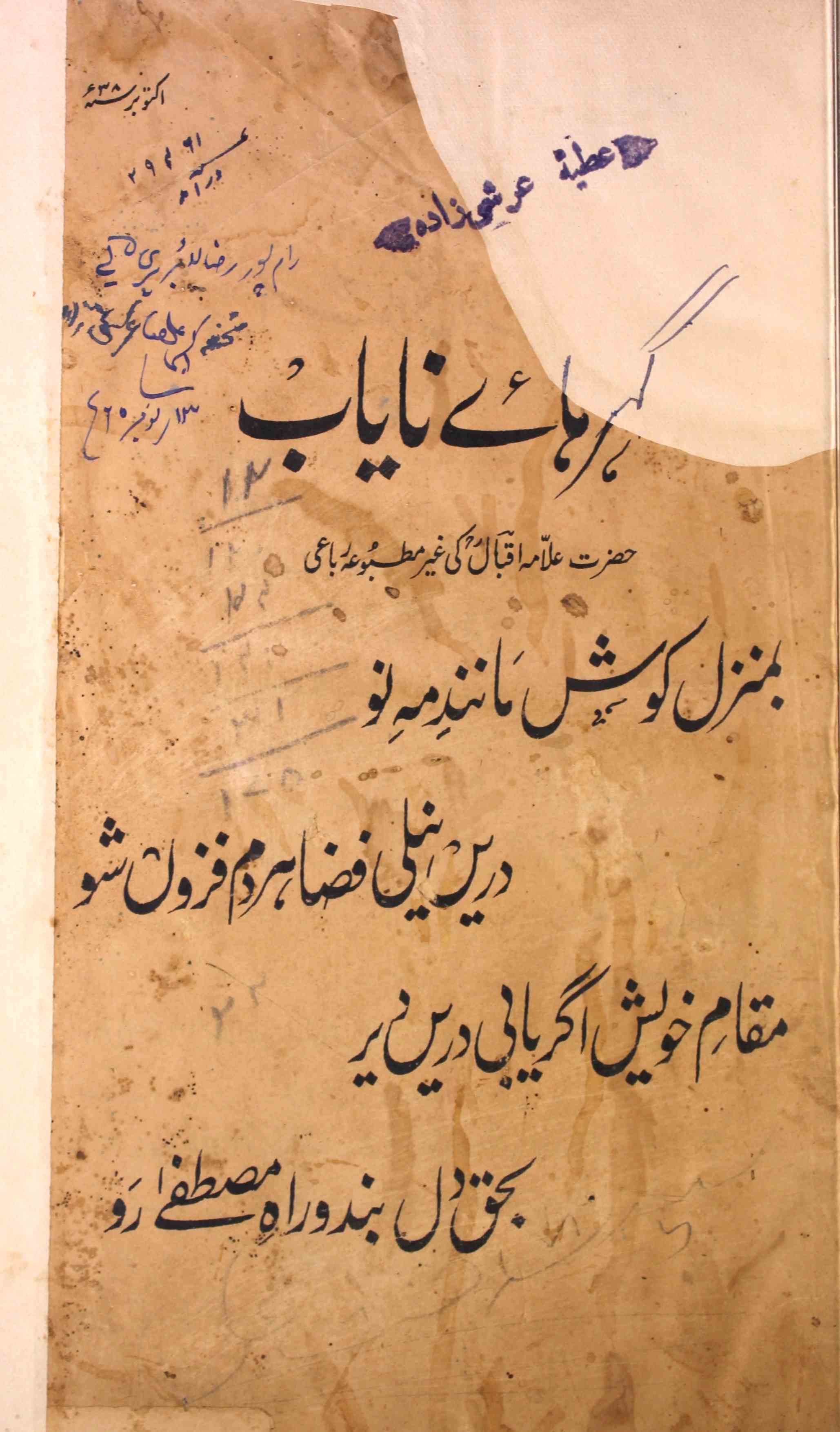
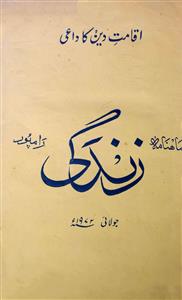
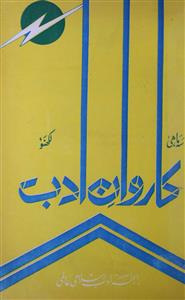
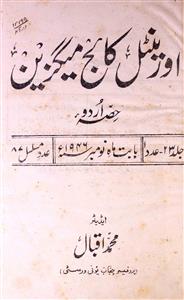
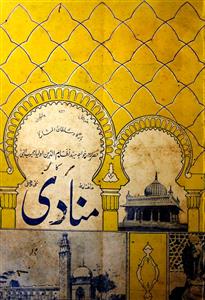
The library houses thousands of rare manuscripts in Arabic, Persian, Urdu, Sanskrit, Hindi, Pashto, Turkish, Tamil, and several other languages. Its collections include historical documents, masterpieces of Islamic calligraphy, miniature paintings, astronomical instruments, and rare printed works. In addition, it preserves approximately 30,000 printed books and periodicals in various languages. Today, the Raza Library remains one of South Asia's leading centres for research in Islamic studies, history, literature, philosophy, art, and Oriental studies.
A selected portion of this invaluable collection is now also available through the Rekhta Digital Library, enabling readers, students, and researchers worldwide to explore this remarkable intellectual and cultural heritage online.