Ahd-e-meer Ki Zabaan
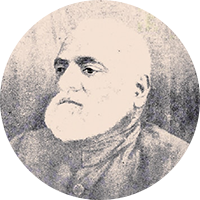
Scholars of English literature have discovered that Shakespeare’s language bears the influence of Warwickshire, the county where he was born. A dedicated glossary of this region's distinct dialect has even been compiled. If a similar glossary were to be compiled for the specific dialect of Agra, there is no doubt that its influence would be clearly felt in the language of Mir Taqi Mir. For instance, the use of the word khasalna (to slip or slide) in Mir’s poetry, or his use of the word aur to mean taraf (direction), points directly to the dialect of Agra. There are likely many other such words that would come to light if a comprehensive dictionary of Agra’s regional language were prepared.
Although the exact year Mir relocated from Agra to Delhi remains unknown, it is certain that he was a young adult when he arrived following his father’s death. By then, he had already begun composing poetry in Agra. Given this, he inevitably brought along certain words and linguistic traces as souvenirs of his hometown. However, it is equally undeniable that upon arriving in Delhi, he paid profound attention to the local idiom. He developed such mastery over it that his language became indistinguishable from that of Delhi's native speakers.
On one occasion in Lucknow, Mir remarked to an audience that while one might need Persian dictionaries to understand the poetry of Khaqani, Saadi, and Hafez, no one could truly comprehend his own poetry without being intimately familiar with the everyday language spoken on the steps of Delhi’s Jama Masjid. In truth, when it came to colloquial idioms, Mir cared little for the original forms of the words borrowed into Urdu from other languages. For example, in his poetry, he freely adapted masjid (mosque) as maseet, paleed (impure) as paleet, dastakhat (signature) as daskhat, shitab (haste) as shitabi, iztirab (restlessness) as iztirabi, Qur'an as Quraan, ameeri (wealth) as umrai, khayal (thought) as khaal (rhyming with haal), and nazdeek (near) as nazeek.
During the first and second eras of Urdu poetry, Hindi words were used in abundance. By the third era, Persian and Arabic vocabulary had begun to replace them. However, many Hindi words remained in circulation during this third phase, only to become obsolete in the fourth era as the language grew increasingly infused with Persian and Arabic. For instance, during the third era, poets still used saanjh instead of shaam (evening), sajan instead of mehboob (beloved), nagar instead of shehar (city), birah instead of judai (separation), tang instead of zara (a little), mukh instead of chehra (face), baas instead of khushbu (fragrance), bachan instead of qaul (word/promise), jag instead of dunya (world), and pao or pon instead of hawa (wind). Furthermore, many words commonly spoken during this period changed their phonetic forms by the fourth era. For example, people used maati instead of mitti (dust/clay), laaga instead of laga (attached/felt), phaatna instead of phatna (to tear), keech instead of keechar (mud), jaagh instead of jagah (place), lohu instead of lahu (blood), ghasna instead of ghisna (to rub), and dubaya instead of duboya (drowned).
From the era of Wali Deccani to the time of Mir, and even later up to the age of Ghalib, poets consistently sought to translate Persian linguistic constructs and idioms into their own language, thereby enriching Urdu with new phrases and expressions. Examples of this practice are listed below:
Tar aamadan... Tar aana (to be ashamed)
Tu goyi... Kahe tu (as if / so to speak)
Namood kardan... Namood karna (to appear / to manifest)
Haif aanaan... Haif wey (pity on them)
Khosh aamadan... Khush aana (to seem pleasing / to appeal)
Ai-ki / Ai aan-ki... Ai tu ki / Ai woh ki (O you who / O one who)
Dast dar kaar daashtan... Kisi kaam mein dast hona (to have a hand in / to be skilled at something)
Tu dahan-e-een kaar nadaari... Tu is kaam ka dahan nahi rakhta (you do not have the mouth for this task; i.e., lacking the ability or courage)
Gosh kardan... Gosh karna (to listen)
Boo kardan... Boo karna / Baas karna (to smell / to sniff)
Khaabam burd... Mujhe khaab le gaya (sleep took me away; i.e., I fell asleep)
Zanjeer kardan... Zanjeer karna (to chain / to imprison)
Khaak bar sar kardan... Sar par khaak karna (to put dust on one's head; i.e., to mourn or be ruined)
Az ohda-e-cheezey ba-dar aamadan... Kisi kaam ke ohde se bar aana (to fulfill a responsibility / to accomplish a task)
Ba khaak barabar shudan... Khaak se barabar hona (to become equal to dust; i.e., to be ruined)
Sar ba-deewar aamadan... Deewar sar par aana (the wall coming to the head; i.e., to strike one's head against a wall)
Namaz kardan... Namaz karna (to perform prayer)
Khosha haal-e-kasaanay-ki... Ahwaal khush unhon ka (how fortunate is their state)
Hama roo-e-zameen giraft... Tamaam roo-e-zameen liya (took the whole face of the earth; i.e., encompassed the whole world)
Dard-e-sar daadan... Dard-e-sar dena (to give a headache; i.e., to bother or trouble)
Sar faro aawardan... Sar faro laana (to bring the head down; i.e., to bow)
Sar faro aamadan... Sar faro aana (the head coming down; i.e., to be bowed)
Ranja kardan... Ranja karna (to cause grief or trouble)
Qadam ranja kardan... Qadam ranja karna (to trouble the feet; i.e., to grace with one's presence)
Taab daadan... Taab dena (to twist / to give a curl)
Sar kasheedan... Sar kheenchna (to draw the head; i.e., to show arrogance, or to emerge)
Daagh kardan... Daagh karna (to scar; i.e., to make someone burn with envy)
Daagh shudan... Daagh hona (to be scarred; i.e., to burn with envy)
Ba-yak nigaah ham wafa nami kund... Ek nigaah ko bhi wafa nahi karta (does not fulfill even a single glance; i.e., not sufficient for even one look)
Waa shudan... Waa hona (to open, e.g., an eye; also, to become unceremonious/frank)
Tasalli baash... Tasalli reh (remain consoled / rest assured)
Baham raseedan... Baham pohanchna (to arrive together; i.e., to be acquired or obtained)
Jigar kardan... Jigar karna (to show liver; i.e., to show courage)
Sar kardan... Sar karna (to initiate / to begin)
Tarah kardan... Tarah karna (to lay the foundation)
Taraf shudan... Taraf hona (to take a side; i.e., to confront or claim equality)
Khosha waqt aan-ki... Waqt khush un ka (how fortunate is their time)
Sarzad shudan... Sarzad hona (to sprout or emerge, e.g., greenery)
Tamasha kardan... Tamasha karna (to watch a spectacle / to observe)
Saaz kardan... Saaz karna (to prepare / to make arrangements)
Ta'ab kasheedan... Ta'ab kheenchna (to endure hardship)
Raah ghalat kardan... Raah ghalat karna (to take the wrong path; i.e., to lose one's way)
Sufaidi kardan... Sufaidi karna (to show whiteness; i.e., to grow old)
Boo-e-sheer az dahan mi aayad... Boo aati hai wahan se (the smell of milk comes from the mouth; i.e., you are still a child)
Khoo kardan... Khoo karna (to become accustomed to)
Zabaan kardan... Zabaan karna (to use the tongue; i.e., to be insolent or talk back)
Niyaaz kardan... Niyaaz karna (to bow one's head to someone in supplication)
Gird aamadan... Gird aana (to gather around)
Takleef kardan... Takleef karna (to trouble; i.e., to compel or insist)
Ba-roo-e-kaar aawardan... Ba-roo-e-kaar laana (to bring to the surface; i.e., to manifest or execute)
Faro shudan... Faro hona (to subside; i.e., the fading of sorrow)
Chashm dokhtan... Chashm seena (to sew the eyes; i.e., to fix one's gaze in greed or longing)
Zabaan tah-e-zabaan daashtan... Zabaan tah-e-zabaan rakhna (to keep a tongue under the tongue; i.e., to speak hypocritically)
Gardan az moo bareek daashtan... Gardan moo se bareek tar karna (to make the neck thinner than a hair; i.e., to be utterly submissive)
In addition to translating Persian phrases and idioms, the poets of that era frequently employed pure Persian compound words throughout their poetry. Below are a few examples of such compound words that Mir himself used in his work:
Tah-e-baal, kunj-kaawi, subha-gardaan, paayaan-e-kaar, sitam-kushta, ghubaar-e-na-tawaan, parwaana-saan, mauj-khez-e-dahar, sukhan-mushtaaq, aajiz-e-sukhan, qaadir-e-sukhan, harf-na-shunaw, na-qabaahat-fahm, ghuncha-peshaani, shauq-kushta, halqa-dar-gosh, hangaama-garm-kun, namoona-e-yaum-ul-hisaab, harf-e-zer-e-labi, dil-e-ghufraan-panaah, aafat-e-dil-e-aashiqaan, ahd-faraamosh-kun, raqba-e-bisyaar-go, khaak-uftaada-e-veeraana, sar-nasheen-e-rah-e-maikhaana, ghubaar-e-deeda-e-parwaana, zauq-e-paikaan-e-dabeez, safha-e-tasweer-e-be-hoshaan, daraa-e-qaafila-saan, shaayasta-e-pareedan, sar-ba-jeeb-e-tafakkur, gharq-e-bahr-e-tahayyur, sahra sahra wahshat, dunya dunya tohmat, jahaan dar jahaan ghaflat, yak bayaabaan be-kasi o tanhaai, aalam aalam junoon, dast zer-e-zanakh-e-sutoon, barq-e-khirman-e-sad-koh-e-toor, josh-e-ashk-e-nadaamat, peshkash-e-saada-e-khud-kaam, sad-sukhan aaghishta ba-khoon zer-e-zabaan, paas-e-josh-e-dil o dil-garmi-e-ayyaam, and so on.
Some entire lines of poetry are in Persian. For example: Qaabil-e-aaghosh-e-sitam-deedagaan, Qadr-e-haft-aasmaan zulm-shi'aar, Dil-e-khoo-pazeer-e-wisaal-e-dawaam, etc.
Gradually, this trend intensified. In Ghalib’s early poetry, there are many couplets where only a word or two—such as ka (of), ya (or), se (from), or hai (is)—belong to Urdu. The rest is entirely Persian, and in some couplets, there is not a single Urdu word. Mir himself wrote in his biographical anthology, Nukat-ush-Shu'ara:
There are several types of Rekhta. First, where one line is in Persian and the other in Hindi [Urdu]. Second, where half a line is in Persian and the other half in Hindi. Third, where Persian grammar and verbs are also employed, which is highly distasteful. Fourth, where Persian constructs are introduced into the verse, but these constructs must be compatible with the Rekhta language. No one but a poet can recognize that introducing unfamiliar constructs and inappropriate phrasing is an absolute flaw, and understanding this depends entirely on one's poetic aptitude. In my own poetry, I have favored this latter approach.
However, among the Persian constructs that Mir employed—which were mentioned earlier—there are certainly some that the Urdu language simply cannot sustain. Yet, who would dare criticize Mir?
If we examine the grammar of the language prevalent during Mir’s era, the first thing that draws our attention is the gender of words. There are many words whose masculine or feminine designations differed from those of today. For instance, during that period, the following words were treated as masculine: Mir (leader), Ved (Veda), Jarahat (wound), Jaan (life), Satah (surface), Gasht (patrol), Gulgasht (stroll in a garden), Khalish (prick/anxiety), and Sot (spring/source). Conversely, the following words were treated as feminine: Taghallub (dominance), Khwab (dream), Gulzar (garden), Mazar (shrine), Nishtar (lancet), and Hashr (doomsday), among others. In the vocative case and when accompanied by relational postpositions, Persian plural forms were used without any modification. For example, Ae butaan (meaning Ae buto! or O idols!), Ae hum-safeeraan (O fellow singers), butaan ka ishq (the love of idols), aawargaan ko (to the wanderers), bulubulaan ne (by the nightingales), and mauzoon taba'aan se (from the poetically inclined).
During that era, adjectives were often formed by adding the suffix ye (ی) to the end of Arabic and Persian nouns. Examples include hairati (astonished), safari (traveler), talashi (seeker—which is nowadays referred to as mutalashi), and vida'i (pertaining to farewell). When they wished to express intensity in an adjective, they would use the word zor (force/strong) instead of bohat (very). Other compound adjectives included kam gher (of narrow circumference) and shireen bachan (sweet-spoken). Today, among the numerical adjectives used to indicate an indefinite quantity, the word baaz (some) is common. In that era, instead of its plural form baazon, the word aikon was also used. For example, aikon ne sabr kiya (some exercised patience) or aikon ne aah-o-zari ki (some wailed and lamented). Woh (that) and yeh (this) are demonstrative adjectives. In those days, they were sometimes pronounced with a fatha (an 'a' vowel sound), rendering them as wah and yah. The third-person singular pronoun in the nominative case was sometimes pronounced as wuh (with a damma or 'u' sound), sometimes as wah (with a fatha or 'a' sound), and occasionally as woo (with a wao ma'roof, rhyming with yoo). If there was a need to attach a postposition to it, instead of us ne (he/she did), they would say un te. When the third-person plural pronoun was used in the nominative case, they would say we (they). In the possessive case, they used unhon ka (their). Similarly, instead of jis ne (who/whoever), they said jin ne, and instead of kis ne (who?), they said kin ne. In the plural form, they used jinhon ne and jinhon ka, as well as kinhon ne and kinhon ka. This structural state remained the same not only with ne and ka, but also with other relational postpositions. Examples include unhon ne (they), jinhon ki (whose), and kinhon tak (until whom).
When the second-person singular and first-person singular pronouns were used in the possessive case, the words mujh and tujh were employed instead of mera (my) and tera (your). For example, mujh ishq meant mera ishq (my love), and tujh sifat meant teri sifat (your attribute). When the second-person plural and first-person plural pronouns were used in the possessive case, and the possessed object was a feminine plural, they would say baatein hamariyan (our conversations) or raatein tumhariyan (your nights). Today, when the indefinite pronoun koi (someone/any) is followed by a relational postposition, it transforms into kisi. However, in that era, this change was not mandatory. For instance, a poetic line reads: Joon bheegti main hoon koi sard naujawan ki [As I am drenched by some cold youth]. In correlation with the relative pronoun jin (which was used in place of jo or jis), the word tin was used, which meant woh (that/those).
In those days, it was not strictly necessary to use the postposition ne with transitive verbs. For example, they would say: Hum shehar dekha [We saw the city], Main kaam kiya [I did the work], Tum Zaid ko udaas kiya [You made Zaid sad], and Main is mulk ki aab-o-hawa tajruba ki hai [I have experienced the climate of this country]. The verb lana (to bring) is also transitive, but in modern Urdu, it is exempt from taking ne. However, in that era, the poet Taban wrote: Hijr ne qayamat laai [Separation brought forth doomsday]. This particular usage is still prevalent in the Deccan region today.
Today, the suffix ein (ین) is added to the feminine plural forms of verbs in the third and first person. However, in that era, the suffix aan (اں) was used. For example, instead of aaein (they came) and laaein (they brought), they used aaiyaan and laaiyaan. This meant woh aurtein aaiyaan ya laaiyaan [those women came or brought], tum aurtein aaiyaan ya laaiyaan [you women came or brought], and hum aurtein aaiyaan laaiyaan [we women came or brought]. Similarly, phrases like phoolon ki chhariyaan hiliyaan [the flower wands swayed], zulfein dikhlaaiyaan [tresses were shown], and baatein na maaiyaan [words could not be contained] are all examples of the past absolute tense. In the present perfect tense, they would say: Aankhein tarsiyaan hain [eyes have longed], chingariyaan barsaaiyaan hain aasmaan ne [the sky has rained down sparks], and kya kya shaklein khaak mein milaaiyaan hain [what beautiful faces have been mingled with the dust]. In the past perfect tense, they would say: Chehra parchhaaiyaan aaiyaan theen [shadows had fallen upon the face] and baatein bohat banaaiyaan theen [many tales had been spun]. In the past imperfect tense, they would say: Woh aankhein maariyaan theen [those eyes used to strike] and tum hum se dartiyaan theen [you used to fear us]. In the past presumptive tense, they would say: Woh aaiyaan hon gi [they must have come] and mithaiyaan khilaaiyaan hon gi [sweets must have been fed]. In the past optative tense, they would say: Kaash woh lariyaan [If only they had fought] and kaash un ki nigahein hamare dilon mein gartiyaan [If only their glances had pierced our hearts]. In the present tense, they would say: Hum makaan sajaaiyaan hain [We have decorated the house] and tum kaheko lartiyaan jhagartiyaan ho? [Why do you fight and squabble?].
The complete conjugation for the past imperfect tense during that era was as follows: Woh dare tha [he used to fear], woh darein the [they used to fear], tu dare tha [you used to fear], tum daro the [you all used to fear], main daroon tha [I used to fear], and hum darein the [we used to fear]. For the feminine forms, it was: Woh dare thi, woh darein theen, tu dare thi, tum daro theen, main daroon thi, and hum darein theen.
The present tense was conjugated in the following manner: Woh chale hai [he walks], woh chalein hain [they walk], tu chale hai [you walk], tum chalo ho [you all walk], main chaloon hoon [I walk], and hum chalein hain [we walk]. These six forms are masculine, but the six feminine forms were identical in structure. If an auxiliary verb was added to the past imperfect or present tense, its structure would be as follows for the masculine forms: Woh chala jawe tha [he used to go away] and woh chale jawein the [they used to go away]. For the feminine forms, it was: Woh chali jawe thi, woh chali jawein theen, tu chali jawe thi, tum chali jao thi, main chali jaoon thi, and hum chali jawein theen.
The preceding was an example of the past imperfect tense. An example of the present tense with an auxiliary verb is as follows: Tu dikhai de hai [you are visible], tum dikhai do ho [you all are visible], main dikhai doon hoon [I am visible], and hum dikhai de hain [we are visible]. Even after the addition of an auxiliary verb, the masculine and feminine forms in the present tense remained identical. Observing both of these conjugations, it becomes clearly evident that the primary verb retains its original form, while the auxiliary verb undergoes modification.
When the suffix aan (ان) is used instead of ein (ین) at the end of feminine plural verb forms (in the third, second, and first person), introducing an auxiliary verb to these forms results in a specific change: the primary verb remains unaltered, and the suffix aan is attached to the auxiliary verb instead. For example, in the past absolute tense: Tamaam baatein samjha diyaan [all matters were explained] and hum mast ho pariyaan [we became intoxicated]. In the present perfect tense: Woh nikah kar baithiyaan hain [they have gotten married]. In the past perfect tense: Yeh kitabein un ko dikhaaiyaan theen [these books had been shown to them]. In the past presumptive tense: Saari naimatein chakh liya hon gi [all the delicacies must have been tasted]. In the past optative tense: Kaash woh faujein bikhar jaatiyaan [If only those armies had scattered]. And in the present tense: Hum hari hari tehniyaan kaat daaltiyaan hain [We cut down the green branches].
In addition to the verb forms mentioned above, several other forms were also prevalent during that era. For instance, toota gaya was used instead of toot gaya (it broke); chhoota gaya instead of chhoot gaya (it slipped away); phoota gaya instead of phoot gaya (it burst); and murjhaya gaya instead of murjha gaya (it withered). Similarly, dekh rehta hoon was used instead of dekhta rehta hoon (I keep looking); aatay haingay instead of aatay hain (they come); and poochhna kiya instead of poochha (asked), among others.
For infinitives containing a vowel just before the infinitive marker, an extra vav (و) was added before the verb suffix in the aorist, future, present, and past continuous tenses. Examples include bovay (he may sow), kha devay ga (he will eat), levay hai (he takes), and devay tha (he used to give). Furthermore, if any preposition other than ne or mein was placed after the third-person plural form of the absolute past or optative past, that verb form was understood to carry an infinitive meaning. For instance, mar gaye par meant mar jaanay par (upon dying); sar jhukay ka faida kya meant sar jhuknay ka (what is the use of bowing the head); and rukay rehtay, junoon hota hai meant rukay rehnay se (from being held back, madness ensues). Sometimes, the preposition was omitted entirely, as in Adam ki qadar juda huay zahir hoti hai (A person's true worth becomes apparent upon separation).
During this period, the conjunctive participle (maazi matoofa) took four different forms. Suffixes such as kar, kay, kar kay, or tay were added to the end of the imperative root. Examples include mar kar (having died), dabo kay (having drowned), mar kar kay (having died), and dekhtay (upon seeing). This is illustrated in a couplet by Mir:
Kisu ke baal darham dekhtay Mir
Hua hai kaam-e-dil barham hamara
[Upon seeing someone's disheveled hair, O Mir / The affairs of my heart have fallen into disarray]
If the imperative root ended in an alif, the suffix ay kar was added. Examples include dhaaye kar (having demolished), khaaye kar (having eaten), gaaye kar (having sung), and bajaaye kar (having played an instrument).
Regarding adverbs of time (tameez-e-fael), words like jab (when), tab (then), aagay (before), hamesha (always), and baad azaan (afterwards) were replaced by jad, tad, kad, aagonda, jab na tab, nit, and baad az. For adverbs of direction, instead of idhar (here), udhar (there), jidhar (wherever), and kidhar (where), they used eedhar, oodhar, jeedhar, and keedhar. The word or was used as a synonym for taraf (towards), such as dil ke or, meaning dil ki taraf (towards the heart). Similarly, tuk or tang was used instead of zara (a little); nipat instead of bilkul (absolutely); nazeek instead of nazdeek (near); kanay instead of paas (near/with); and oopar instead of par (on). When using adverbs like aagay, paas, kanay, oopar, beech, and saath, the genitive marker (harf-e-izafat) was often omitted before them. Examples include palki aagay (in front of the palanquin), mujh paas (with me), hum paas (with us), sab paas (with everyone), ghair paas (with strangers), kisi kanay (with someone), jinhon kanay (with whom), un ke kanay (with them), bulbul kanay (with the nightingale), dosh oopar (on the shoulder), palki oopar (on the palanquin), mahazar oopar (on the present food), tis oopar (upon that), taweelay beech (in the stable), sara beech (in the inn), and dil saath (with the heart).
Among prepositions (harf-e-rabt), ne was sometimes written as nain. The preposition ko was pronounced with a long 'u' sound, rhyming with boo, and sometimes as koon, rhyming with joon. The preposition se (from/with) was once written as soon, but in Mir's era, seen and seein were also used. Instead of tak (until/up to), talak or lag were employed. Today, the word taeen is only used with apnay (as in apnay taeen, meaning 'oneself'), but in that era, it was highly prevalent. It was used both with and without the genitive marker. Sometimes it meant tak (until), and other times it meant ko (to). For example, ya taeen (up to here), kab taeen (until when), and mahshar taeen (until Judgment Day) were used in the sense of tak; whereas dil ke taeen (to the heart), aaqa ke taeen (to the master), apnay taeen (to oneself), meray taeen (to me), and raat ke taeen (at night) were used in the sense of ko. Oopar was used instead of par (on), as in honton ke oopar meaning honton par (on the lips). Beech was used instead of mein (in), as in chaman ke beech mein meaning chaman mein (in the garden). Siwa (except) was also used as a preposition. In earlier times, it was not necessary to place a genitive marker before it, as in dil siwa meaning dil ke siwa (except the heart). Instead of siwa, another word, chhut, was also used during this period, as in un gulon chhut meaning un gulon ke siwa (except those flowers). The genitive marker was never placed before chhut. Prepositions like tak, ko, aur, and mein were frequently omitted altogether. For instance, hum wahan der roya kiye meant der tak (we wept there for a long time); dil ka haal muddat kaha meant muddat tak (spoke of the heart's condition for a long time); Mir teray koochay se aanay kahay hai meant aanay ko (Mir speaks of coming from your street); and apnay eteqaad meant hamaray eteqaad ya khayal mein (in our belief or thought).
A distinct grammatical construction in Mir's language is an imitation of a Persian structure, where the genitive marker (harf-e-izafat) is omitted between the possessed (muzaf) and the possessor (muzaf ilayh). For example, hamein sair-e-bahaar khwahish hai means sair-e-bahaar ki khwahish hai (we have a desire for a spring stroll). Aaj kal murawwat qaht hai means murawwat ka qaht (there is a drought of courtesy these days). Yahan ek tabassum fursat hai means ek tabassum ki fursat (there is only time for a single smile here). Ae naseh, tafahhus faida means tafahhus ya justujoo ka kya faida? (O advisor, what is the use of investigation or seeking?). Main is mulk ki aab-o-hawa tajruba kar chuka hoon means aab-o-hawa ka tajruba (I have experienced the climate of this country). Tera qissa agar tark-e-paarsai ho means tera irada agar tark-e-paarsai ka ho (if your intention is to abandon piety). Unhein bandagi khwahish hai means bandagi ki khwahish hai (they have a desire for servitude). Main sab jahan sair kar chuka hoon means sab jahan ki sair (I have toured the whole world).
Poets of that era used the conjunctive vav (the 'and' conjunction) in peculiar ways that modern poets would deem impermissible. First, it was used between two clauses containing Hindi words, for example: ta kay ba-dasht gardi o kab tak yeh khastagi (how long this wandering in the desert, and how long this weariness). Second, it was placed between a Persian word and a Hindi word, such as thapra o wahan. Third, it was used between two Hindi words, such as to barah dathan chori o pankha.
The correlative word so was repeated in response to the repetition of jo (whatever). For example, jo jo zulm tum ne kiye, so so hum ne uthaye (whatever cruelties you committed, we endured them all). Today, when the particle of emphasis hi is combined with hum, us, and wahan, it forms the merged words humein, usi, and wahin. However, in that era, they used the unmerged forms: hum hi, us hi, wahan hi, and wohin.
Joon and jaisa are particles of simile (harf-e-tashbeeh). Examples of their usage are as follows: joon mauj meaning manind-e-mauj (like a wave); jaisay pakka phora meaning pakkay phoray ke manind (like a ripe boil). Joon was also used to mean jis tarah (the way / just as), as seen in the hemistich:
Dil jaanay hai joon ro kar shabnam ne kaha gul se
[The heart knows, just as the dew wept and said to the rose]
Here, joon ro kar means jis tarah ro kar (just as it wept). Words like namat, ba-rang, and ba-saan were also used for this same purpose. For example, subh namat meant manind-e-subh (like the morning); khamay ke namat meant qalam ki tarah (like a pen); is namat meant is tarah (in this way); bahar namat meant har tarah se (in every way); ba-rang-e-gul meant manind-e-gul (like a rose); and ba-saan-e-mahtab meant chaand ke manind (like the moon).
In Mir's language, the Persian word ta, meaning jab tak (until), was placed at the beginning of a sentence. For example, ta khurqay ko na phoonkay meant jab tak khurqay ko na phoonkay (until the cloak is burned). Bhala re was an exclamation of wonder in that era, similar to Allah re. Another characteristic of the language of this period was that in a genitive construction (tarkeeb-e-izafi), if one word was Hindi, they did not hesitate to apply the Persian genitive marker (izafat). Examples include manind-e-aarsi (like a mirror), poshish-e-chheent (a chintz covering), sahib-e-arthi (master of the bier), and beera-e-paan (a betel leaf preparation). If the conjunction aur (and) appeared between two words, they would even apply the Persian genitive marker to this conjunctive compound, such as ja-e-bood aur baash (place of residence). Sometimes, the conjunction was omitted entirely from the compound. If both words in such a compound were adjectives modifying a noun, they would attach one adjective to the noun and leave the other independent. For example, dil-e-marhoom ka maghfoor ka zikr (mention of the deceased, forgiven heart). When the modified noun in a sentence was a feminine plural subject, a feminine plural adjective was used in the predicate. For example, yeh baatein nahi bhaliyan (these are not good things); tumhari adaayein pyariyan hain (your manners are lovely); raatein andhiyariyan hain (the nights are dark); manzilein kariyan hain (the destinations are difficult); and neendein hamariyan hain (the slumbers are ours).
Scholars of English literature have discovered that Shakespeare’s language bears the influence of Warwickshire, the county where he was born. A dedicated glossary of this region's distinct dialect has even been compiled. If a similar glossary were to be compiled for the specific dialect of Agra, there is no doubt that its influence would be clearly felt in the language of Mir Taqi Mir. For instance, the use of the word khasalna (to slip or slide) in Mir’s poetry, or his use of the word aur to mean taraf (direction), points directly to the dialect of Agra. There are likely many other such words that would come to light if a comprehensive dictionary of Agra’s regional language were prepared.
Although the exact year Mir relocated from Agra to Delhi remains unknown, it is certain that he was a young adult when he arrived following his father’s death. By then, he had already begun composing poetry in Agra. Given this, he inevitably brought along certain words and linguistic traces as souvenirs of his hometown. However, it is equally undeniable that upon arriving in Delhi, he paid profound attention to the local idiom. He developed such mastery over it that his language became indistinguishable from that of Delhi's native speakers.
On one occasion in Lucknow, Mir remarked to an audience that while one might need Persian dictionaries to understand the poetry of Khaqani, Saadi, and Hafez, no one could truly comprehend his own poetry without being intimately familiar with the everyday language spoken on the steps of Delhi’s Jama Masjid. In truth, when it came to colloquial idioms, Mir cared little for the original forms of the words borrowed into Urdu from other languages. For example, in his poetry, he freely adapted masjid (mosque) as maseet, paleed (impure) as paleet, dastakhat (signature) as daskhat, shitab (haste) as shitabi, iztirab (restlessness) as iztirabi, Qur'an as Quraan, ameeri (wealth) as umrai, khayal (thought) as khaal (rhyming with haal), and nazdeek (near) as nazeek.
During the first and second eras of Urdu poetry, Hindi words were used in abundance. By the third era, Persian and Arabic vocabulary had begun to replace them. However, many Hindi words remained in circulation during this third phase, only to become obsolete in the fourth era as the language grew increasingly infused with Persian and Arabic. For instance, during the third era, poets still used saanjh instead of shaam (evening), sajan instead of mehboob (beloved), nagar instead of shehar (city), birah instead of judai (separation), tang instead of zara (a little), mukh instead of chehra (face), baas instead of khushbu (fragrance), bachan instead of qaul (word/promise), jag instead of dunya (world), and pao or pon instead of hawa (wind). Furthermore, many words commonly spoken during this period changed their phonetic forms by the fourth era. For example, people used maati instead of mitti (dust/clay), laaga instead of laga (attached/felt), phaatna instead of phatna (to tear), keech instead of keechar (mud), jaagh instead of jagah (place), lohu instead of lahu (blood), ghasna instead of ghisna (to rub), and dubaya instead of duboya (drowned).
From the era of Wali Deccani to the time of Mir, and even later up to the age of Ghalib, poets consistently sought to translate Persian linguistic constructs and idioms into their own language, thereby enriching Urdu with new phrases and expressions. Examples of this practice are listed below:
Tar aamadan... Tar aana (to be ashamed)
Tu goyi... Kahe tu (as if / so to speak)
Namood kardan... Namood karna (to appear / to manifest)
Haif aanaan... Haif wey (pity on them)
Khosh aamadan... Khush aana (to seem pleasing / to appeal)
Ai-ki / Ai aan-ki... Ai tu ki / Ai woh ki (O you who / O one who)
Dast dar kaar daashtan... Kisi kaam mein dast hona (to have a hand in / to be skilled at something)
Tu dahan-e-een kaar nadaari... Tu is kaam ka dahan nahi rakhta (you do not have the mouth for this task; i.e., lacking the ability or courage)
Gosh kardan... Gosh karna (to listen)
Boo kardan... Boo karna / Baas karna (to smell / to sniff)
Khaabam burd... Mujhe khaab le gaya (sleep took me away; i.e., I fell asleep)
Zanjeer kardan... Zanjeer karna (to chain / to imprison)
Khaak bar sar kardan... Sar par khaak karna (to put dust on one's head; i.e., to mourn or be ruined)
Az ohda-e-cheezey ba-dar aamadan... Kisi kaam ke ohde se bar aana (to fulfill a responsibility / to accomplish a task)
Ba khaak barabar shudan... Khaak se barabar hona (to become equal to dust; i.e., to be ruined)
Sar ba-deewar aamadan... Deewar sar par aana (the wall coming to the head; i.e., to strike one's head against a wall)
Namaz kardan... Namaz karna (to perform prayer)
Khosha haal-e-kasaanay-ki... Ahwaal khush unhon ka (how fortunate is their state)
Hama roo-e-zameen giraft... Tamaam roo-e-zameen liya (took the whole face of the earth; i.e., encompassed the whole world)
Dard-e-sar daadan... Dard-e-sar dena (to give a headache; i.e., to bother or trouble)
Sar faro aawardan... Sar faro laana (to bring the head down; i.e., to bow)
Sar faro aamadan... Sar faro aana (the head coming down; i.e., to be bowed)
Ranja kardan... Ranja karna (to cause grief or trouble)
Qadam ranja kardan... Qadam ranja karna (to trouble the feet; i.e., to grace with one's presence)
Taab daadan... Taab dena (to twist / to give a curl)
Sar kasheedan... Sar kheenchna (to draw the head; i.e., to show arrogance, or to emerge)
Daagh kardan... Daagh karna (to scar; i.e., to make someone burn with envy)
Daagh shudan... Daagh hona (to be scarred; i.e., to burn with envy)
Ba-yak nigaah ham wafa nami kund... Ek nigaah ko bhi wafa nahi karta (does not fulfill even a single glance; i.e., not sufficient for even one look)
Waa shudan... Waa hona (to open, e.g., an eye; also, to become unceremonious/frank)
Tasalli baash... Tasalli reh (remain consoled / rest assured)
Baham raseedan... Baham pohanchna (to arrive together; i.e., to be acquired or obtained)
Jigar kardan... Jigar karna (to show liver; i.e., to show courage)
Sar kardan... Sar karna (to initiate / to begin)
Tarah kardan... Tarah karna (to lay the foundation)
Taraf shudan... Taraf hona (to take a side; i.e., to confront or claim equality)
Khosha waqt aan-ki... Waqt khush un ka (how fortunate is their time)
Sarzad shudan... Sarzad hona (to sprout or emerge, e.g., greenery)
Tamasha kardan... Tamasha karna (to watch a spectacle / to observe)
Saaz kardan... Saaz karna (to prepare / to make arrangements)
Ta'ab kasheedan... Ta'ab kheenchna (to endure hardship)
Raah ghalat kardan... Raah ghalat karna (to take the wrong path; i.e., to lose one's way)
Sufaidi kardan... Sufaidi karna (to show whiteness; i.e., to grow old)
Boo-e-sheer az dahan mi aayad... Boo aati hai wahan se (the smell of milk comes from the mouth; i.e., you are still a child)
Khoo kardan... Khoo karna (to become accustomed to)
Zabaan kardan... Zabaan karna (to use the tongue; i.e., to be insolent or talk back)
Niyaaz kardan... Niyaaz karna (to bow one's head to someone in supplication)
Gird aamadan... Gird aana (to gather around)
Takleef kardan... Takleef karna (to trouble; i.e., to compel or insist)
Ba-roo-e-kaar aawardan... Ba-roo-e-kaar laana (to bring to the surface; i.e., to manifest or execute)
Faro shudan... Faro hona (to subside; i.e., the fading of sorrow)
Chashm dokhtan... Chashm seena (to sew the eyes; i.e., to fix one's gaze in greed or longing)
Zabaan tah-e-zabaan daashtan... Zabaan tah-e-zabaan rakhna (to keep a tongue under the tongue; i.e., to speak hypocritically)
Gardan az moo bareek daashtan... Gardan moo se bareek tar karna (to make the neck thinner than a hair; i.e., to be utterly submissive)
In addition to translating Persian phrases and idioms, the poets of that era frequently employed pure Persian compound words throughout their poetry. Below are a few examples of such compound words that Mir himself used in his work:
Tah-e-baal, kunj-kaawi, subha-gardaan, paayaan-e-kaar, sitam-kushta, ghubaar-e-na-tawaan, parwaana-saan, mauj-khez-e-dahar, sukhan-mushtaaq, aajiz-e-sukhan, qaadir-e-sukhan, harf-na-shunaw, na-qabaahat-fahm, ghuncha-peshaani, shauq-kushta, halqa-dar-gosh, hangaama-garm-kun, namoona-e-yaum-ul-hisaab, harf-e-zer-e-labi, dil-e-ghufraan-panaah, aafat-e-dil-e-aashiqaan, ahd-faraamosh-kun, raqba-e-bisyaar-go, khaak-uftaada-e-veeraana, sar-nasheen-e-rah-e-maikhaana, ghubaar-e-deeda-e-parwaana, zauq-e-paikaan-e-dabeez, safha-e-tasweer-e-be-hoshaan, daraa-e-qaafila-saan, shaayasta-e-pareedan, sar-ba-jeeb-e-tafakkur, gharq-e-bahr-e-tahayyur, sahra sahra wahshat, dunya dunya tohmat, jahaan dar jahaan ghaflat, yak bayaabaan be-kasi o tanhaai, aalam aalam junoon, dast zer-e-zanakh-e-sutoon, barq-e-khirman-e-sad-koh-e-toor, josh-e-ashk-e-nadaamat, peshkash-e-saada-e-khud-kaam, sad-sukhan aaghishta ba-khoon zer-e-zabaan, paas-e-josh-e-dil o dil-garmi-e-ayyaam, and so on.
Some entire lines of poetry are in Persian. For example: Qaabil-e-aaghosh-e-sitam-deedagaan, Qadr-e-haft-aasmaan zulm-shi'aar, Dil-e-khoo-pazeer-e-wisaal-e-dawaam, etc.
Gradually, this trend intensified. In Ghalib’s early poetry, there are many couplets where only a word or two—such as ka (of), ya (or), se (from), or hai (is)—belong to Urdu. The rest is entirely Persian, and in some couplets, there is not a single Urdu word. Mir himself wrote in his biographical anthology, Nukat-ush-Shu'ara:
There are several types of Rekhta. First, where one line is in Persian and the other in Hindi [Urdu]. Second, where half a line is in Persian and the other half in Hindi. Third, where Persian grammar and verbs are also employed, which is highly distasteful. Fourth, where Persian constructs are introduced into the verse, but these constructs must be compatible with the Rekhta language. No one but a poet can recognize that introducing unfamiliar constructs and inappropriate phrasing is an absolute flaw, and understanding this depends entirely on one's poetic aptitude. In my own poetry, I have favored this latter approach.
However, among the Persian constructs that Mir employed—which were mentioned earlier—there are certainly some that the Urdu language simply cannot sustain. Yet, who would dare criticize Mir?
If we examine the grammar of the language prevalent during Mir’s era, the first thing that draws our attention is the gender of words. There are many words whose masculine or feminine designations differed from those of today. For instance, during that period, the following words were treated as masculine: Mir (leader), Ved (Veda), Jarahat (wound), Jaan (life), Satah (surface), Gasht (patrol), Gulgasht (stroll in a garden), Khalish (prick/anxiety), and Sot (spring/source). Conversely, the following words were treated as feminine: Taghallub (dominance), Khwab (dream), Gulzar (garden), Mazar (shrine), Nishtar (lancet), and Hashr (doomsday), among others. In the vocative case and when accompanied by relational postpositions, Persian plural forms were used without any modification. For example, Ae butaan (meaning Ae buto! or O idols!), Ae hum-safeeraan (O fellow singers), butaan ka ishq (the love of idols), aawargaan ko (to the wanderers), bulubulaan ne (by the nightingales), and mauzoon taba'aan se (from the poetically inclined).
During that era, adjectives were often formed by adding the suffix ye (ی) to the end of Arabic and Persian nouns. Examples include hairati (astonished), safari (traveler), talashi (seeker—which is nowadays referred to as mutalashi), and vida'i (pertaining to farewell). When they wished to express intensity in an adjective, they would use the word zor (force/strong) instead of bohat (very). Other compound adjectives included kam gher (of narrow circumference) and shireen bachan (sweet-spoken). Today, among the numerical adjectives used to indicate an indefinite quantity, the word baaz (some) is common. In that era, instead of its plural form baazon, the word aikon was also used. For example, aikon ne sabr kiya (some exercised patience) or aikon ne aah-o-zari ki (some wailed and lamented). Woh (that) and yeh (this) are demonstrative adjectives. In those days, they were sometimes pronounced with a fatha (an 'a' vowel sound), rendering them as wah and yah. The third-person singular pronoun in the nominative case was sometimes pronounced as wuh (with a damma or 'u' sound), sometimes as wah (with a fatha or 'a' sound), and occasionally as woo (with a wao ma'roof, rhyming with yoo). If there was a need to attach a postposition to it, instead of us ne (he/she did), they would say un te. When the third-person plural pronoun was used in the nominative case, they would say we (they). In the possessive case, they used unhon ka (their). Similarly, instead of jis ne (who/whoever), they said jin ne, and instead of kis ne (who?), they said kin ne. In the plural form, they used jinhon ne and jinhon ka, as well as kinhon ne and kinhon ka. This structural state remained the same not only with ne and ka, but also with other relational postpositions. Examples include unhon ne (they), jinhon ki (whose), and kinhon tak (until whom).
When the second-person singular and first-person singular pronouns were used in the possessive case, the words mujh and tujh were employed instead of mera (my) and tera (your). For example, mujh ishq meant mera ishq (my love), and tujh sifat meant teri sifat (your attribute). When the second-person plural and first-person plural pronouns were used in the possessive case, and the possessed object was a feminine plural, they would say baatein hamariyan (our conversations) or raatein tumhariyan (your nights). Today, when the indefinite pronoun koi (someone/any) is followed by a relational postposition, it transforms into kisi. However, in that era, this change was not mandatory. For instance, a poetic line reads: Joon bheegti main hoon koi sard naujawan ki [As I am drenched by some cold youth]. In correlation with the relative pronoun jin (which was used in place of jo or jis), the word tin was used, which meant woh (that/those).
In those days, it was not strictly necessary to use the postposition ne with transitive verbs. For example, they would say: Hum shehar dekha [We saw the city], Main kaam kiya [I did the work], Tum Zaid ko udaas kiya [You made Zaid sad], and Main is mulk ki aab-o-hawa tajruba ki hai [I have experienced the climate of this country]. The verb lana (to bring) is also transitive, but in modern Urdu, it is exempt from taking ne. However, in that era, the poet Taban wrote: Hijr ne qayamat laai [Separation brought forth doomsday]. This particular usage is still prevalent in the Deccan region today.
Today, the suffix ein (ین) is added to the feminine plural forms of verbs in the third and first person. However, in that era, the suffix aan (اں) was used. For example, instead of aaein (they came) and laaein (they brought), they used aaiyaan and laaiyaan. This meant woh aurtein aaiyaan ya laaiyaan [those women came or brought], tum aurtein aaiyaan ya laaiyaan [you women came or brought], and hum aurtein aaiyaan laaiyaan [we women came or brought]. Similarly, phrases like phoolon ki chhariyaan hiliyaan [the flower wands swayed], zulfein dikhlaaiyaan [tresses were shown], and baatein na maaiyaan [words could not be contained] are all examples of the past absolute tense. In the present perfect tense, they would say: Aankhein tarsiyaan hain [eyes have longed], chingariyaan barsaaiyaan hain aasmaan ne [the sky has rained down sparks], and kya kya shaklein khaak mein milaaiyaan hain [what beautiful faces have been mingled with the dust]. In the past perfect tense, they would say: Chehra parchhaaiyaan aaiyaan theen [shadows had fallen upon the face] and baatein bohat banaaiyaan theen [many tales had been spun]. In the past imperfect tense, they would say: Woh aankhein maariyaan theen [those eyes used to strike] and tum hum se dartiyaan theen [you used to fear us]. In the past presumptive tense, they would say: Woh aaiyaan hon gi [they must have come] and mithaiyaan khilaaiyaan hon gi [sweets must have been fed]. In the past optative tense, they would say: Kaash woh lariyaan [If only they had fought] and kaash un ki nigahein hamare dilon mein gartiyaan [If only their glances had pierced our hearts]. In the present tense, they would say: Hum makaan sajaaiyaan hain [We have decorated the house] and tum kaheko lartiyaan jhagartiyaan ho? [Why do you fight and squabble?].
The complete conjugation for the past imperfect tense during that era was as follows: Woh dare tha [he used to fear], woh darein the [they used to fear], tu dare tha [you used to fear], tum daro the [you all used to fear], main daroon tha [I used to fear], and hum darein the [we used to fear]. For the feminine forms, it was: Woh dare thi, woh darein theen, tu dare thi, tum daro theen, main daroon thi, and hum darein theen.
The present tense was conjugated in the following manner: Woh chale hai [he walks], woh chalein hain [they walk], tu chale hai [you walk], tum chalo ho [you all walk], main chaloon hoon [I walk], and hum chalein hain [we walk]. These six forms are masculine, but the six feminine forms were identical in structure. If an auxiliary verb was added to the past imperfect or present tense, its structure would be as follows for the masculine forms: Woh chala jawe tha [he used to go away] and woh chale jawein the [they used to go away]. For the feminine forms, it was: Woh chali jawe thi, woh chali jawein theen, tu chali jawe thi, tum chali jao thi, main chali jaoon thi, and hum chali jawein theen.
The preceding was an example of the past imperfect tense. An example of the present tense with an auxiliary verb is as follows: Tu dikhai de hai [you are visible], tum dikhai do ho [you all are visible], main dikhai doon hoon [I am visible], and hum dikhai de hain [we are visible]. Even after the addition of an auxiliary verb, the masculine and feminine forms in the present tense remained identical. Observing both of these conjugations, it becomes clearly evident that the primary verb retains its original form, while the auxiliary verb undergoes modification.
When the suffix aan (ان) is used instead of ein (ین) at the end of feminine plural verb forms (in the third, second, and first person), introducing an auxiliary verb to these forms results in a specific change: the primary verb remains unaltered, and the suffix aan is attached to the auxiliary verb instead. For example, in the past absolute tense: Tamaam baatein samjha diyaan [all matters were explained] and hum mast ho pariyaan [we became intoxicated]. In the present perfect tense: Woh nikah kar baithiyaan hain [they have gotten married]. In the past perfect tense: Yeh kitabein un ko dikhaaiyaan theen [these books had been shown to them]. In the past presumptive tense: Saari naimatein chakh liya hon gi [all the delicacies must have been tasted]. In the past optative tense: Kaash woh faujein bikhar jaatiyaan [If only those armies had scattered]. And in the present tense: Hum hari hari tehniyaan kaat daaltiyaan hain [We cut down the green branches].
In addition to the verb forms mentioned above, several other forms were also prevalent during that era. For instance, toota gaya was used instead of toot gaya (it broke); chhoota gaya instead of chhoot gaya (it slipped away); phoota gaya instead of phoot gaya (it burst); and murjhaya gaya instead of murjha gaya (it withered). Similarly, dekh rehta hoon was used instead of dekhta rehta hoon (I keep looking); aatay haingay instead of aatay hain (they come); and poochhna kiya instead of poochha (asked), among others.
For infinitives containing a vowel just before the infinitive marker, an extra vav (و) was added before the verb suffix in the aorist, future, present, and past continuous tenses. Examples include bovay (he may sow), kha devay ga (he will eat), levay hai (he takes), and devay tha (he used to give). Furthermore, if any preposition other than ne or mein was placed after the third-person plural form of the absolute past or optative past, that verb form was understood to carry an infinitive meaning. For instance, mar gaye par meant mar jaanay par (upon dying); sar jhukay ka faida kya meant sar jhuknay ka (what is the use of bowing the head); and rukay rehtay, junoon hota hai meant rukay rehnay se (from being held back, madness ensues). Sometimes, the preposition was omitted entirely, as in Adam ki qadar juda huay zahir hoti hai (A person's true worth becomes apparent upon separation).
During this period, the conjunctive participle (maazi matoofa) took four different forms. Suffixes such as kar, kay, kar kay, or tay were added to the end of the imperative root. Examples include mar kar (having died), dabo kay (having drowned), mar kar kay (having died), and dekhtay (upon seeing). This is illustrated in a couplet by Mir:
Kisu ke baal darham dekhtay Mir
Hua hai kaam-e-dil barham hamara
[Upon seeing someone's disheveled hair, O Mir / The affairs of my heart have fallen into disarray]
If the imperative root ended in an alif, the suffix ay kar was added. Examples include dhaaye kar (having demolished), khaaye kar (having eaten), gaaye kar (having sung), and bajaaye kar (having played an instrument).
Regarding adverbs of time (tameez-e-fael), words like jab (when), tab (then), aagay (before), hamesha (always), and baad azaan (afterwards) were replaced by jad, tad, kad, aagonda, jab na tab, nit, and baad az. For adverbs of direction, instead of idhar (here), udhar (there), jidhar (wherever), and kidhar (where), they used eedhar, oodhar, jeedhar, and keedhar. The word or was used as a synonym for taraf (towards), such as dil ke or, meaning dil ki taraf (towards the heart). Similarly, tuk or tang was used instead of zara (a little); nipat instead of bilkul (absolutely); nazeek instead of nazdeek (near); kanay instead of paas (near/with); and oopar instead of par (on). When using adverbs like aagay, paas, kanay, oopar, beech, and saath, the genitive marker (harf-e-izafat) was often omitted before them. Examples include palki aagay (in front of the palanquin), mujh paas (with me), hum paas (with us), sab paas (with everyone), ghair paas (with strangers), kisi kanay (with someone), jinhon kanay (with whom), un ke kanay (with them), bulbul kanay (with the nightingale), dosh oopar (on the shoulder), palki oopar (on the palanquin), mahazar oopar (on the present food), tis oopar (upon that), taweelay beech (in the stable), sara beech (in the inn), and dil saath (with the heart).
Among prepositions (harf-e-rabt), ne was sometimes written as nain. The preposition ko was pronounced with a long 'u' sound, rhyming with boo, and sometimes as koon, rhyming with joon. The preposition se (from/with) was once written as soon, but in Mir's era, seen and seein were also used. Instead of tak (until/up to), talak or lag were employed. Today, the word taeen is only used with apnay (as in apnay taeen, meaning 'oneself'), but in that era, it was highly prevalent. It was used both with and without the genitive marker. Sometimes it meant tak (until), and other times it meant ko (to). For example, ya taeen (up to here), kab taeen (until when), and mahshar taeen (until Judgment Day) were used in the sense of tak; whereas dil ke taeen (to the heart), aaqa ke taeen (to the master), apnay taeen (to oneself), meray taeen (to me), and raat ke taeen (at night) were used in the sense of ko. Oopar was used instead of par (on), as in honton ke oopar meaning honton par (on the lips). Beech was used instead of mein (in), as in chaman ke beech mein meaning chaman mein (in the garden). Siwa (except) was also used as a preposition. In earlier times, it was not necessary to place a genitive marker before it, as in dil siwa meaning dil ke siwa (except the heart). Instead of siwa, another word, chhut, was also used during this period, as in un gulon chhut meaning un gulon ke siwa (except those flowers). The genitive marker was never placed before chhut. Prepositions like tak, ko, aur, and mein were frequently omitted altogether. For instance, hum wahan der roya kiye meant der tak (we wept there for a long time); dil ka haal muddat kaha meant muddat tak (spoke of the heart's condition for a long time); Mir teray koochay se aanay kahay hai meant aanay ko (Mir speaks of coming from your street); and apnay eteqaad meant hamaray eteqaad ya khayal mein (in our belief or thought).
A distinct grammatical construction in Mir's language is an imitation of a Persian structure, where the genitive marker (harf-e-izafat) is omitted between the possessed (muzaf) and the possessor (muzaf ilayh). For example, hamein sair-e-bahaar khwahish hai means sair-e-bahaar ki khwahish hai (we have a desire for a spring stroll). Aaj kal murawwat qaht hai means murawwat ka qaht (there is a drought of courtesy these days). Yahan ek tabassum fursat hai means ek tabassum ki fursat (there is only time for a single smile here). Ae naseh, tafahhus faida means tafahhus ya justujoo ka kya faida? (O advisor, what is the use of investigation or seeking?). Main is mulk ki aab-o-hawa tajruba kar chuka hoon means aab-o-hawa ka tajruba (I have experienced the climate of this country). Tera qissa agar tark-e-paarsai ho means tera irada agar tark-e-paarsai ka ho (if your intention is to abandon piety). Unhein bandagi khwahish hai means bandagi ki khwahish hai (they have a desire for servitude). Main sab jahan sair kar chuka hoon means sab jahan ki sair (I have toured the whole world).
Poets of that era used the conjunctive vav (the 'and' conjunction) in peculiar ways that modern poets would deem impermissible. First, it was used between two clauses containing Hindi words, for example: ta kay ba-dasht gardi o kab tak yeh khastagi (how long this wandering in the desert, and how long this weariness). Second, it was placed between a Persian word and a Hindi word, such as thapra o wahan. Third, it was used between two Hindi words, such as to barah dathan chori o pankha.
The correlative word so was repeated in response to the repetition of jo (whatever). For example, jo jo zulm tum ne kiye, so so hum ne uthaye (whatever cruelties you committed, we endured them all). Today, when the particle of emphasis hi is combined with hum, us, and wahan, it forms the merged words humein, usi, and wahin. However, in that era, they used the unmerged forms: hum hi, us hi, wahan hi, and wohin.
Joon and jaisa are particles of simile (harf-e-tashbeeh). Examples of their usage are as follows: joon mauj meaning manind-e-mauj (like a wave); jaisay pakka phora meaning pakkay phoray ke manind (like a ripe boil). Joon was also used to mean jis tarah (the way / just as), as seen in the hemistich:
Dil jaanay hai joon ro kar shabnam ne kaha gul se
[The heart knows, just as the dew wept and said to the rose]
Here, joon ro kar means jis tarah ro kar (just as it wept). Words like namat, ba-rang, and ba-saan were also used for this same purpose. For example, subh namat meant manind-e-subh (like the morning); khamay ke namat meant qalam ki tarah (like a pen); is namat meant is tarah (in this way); bahar namat meant har tarah se (in every way); ba-rang-e-gul meant manind-e-gul (like a rose); and ba-saan-e-mahtab meant chaand ke manind (like the moon).
In Mir's language, the Persian word ta, meaning jab tak (until), was placed at the beginning of a sentence. For example, ta khurqay ko na phoonkay meant jab tak khurqay ko na phoonkay (until the cloak is burned). Bhala re was an exclamation of wonder in that era, similar to Allah re. Another characteristic of the language of this period was that in a genitive construction (tarkeeb-e-izafi), if one word was Hindi, they did not hesitate to apply the Persian genitive marker (izafat). Examples include manind-e-aarsi (like a mirror), poshish-e-chheent (a chintz covering), sahib-e-arthi (master of the bier), and beera-e-paan (a betel leaf preparation). If the conjunction aur (and) appeared between two words, they would even apply the Persian genitive marker to this conjunctive compound, such as ja-e-bood aur baash (place of residence). Sometimes, the conjunction was omitted entirely from the compound. If both words in such a compound were adjectives modifying a noun, they would attach one adjective to the noun and leave the other independent. For example, dil-e-marhoom ka maghfoor ka zikr (mention of the deceased, forgiven heart). When the modified noun in a sentence was a feminine plural subject, a feminine plural adjective was used in the predicate. For example, yeh baatein nahi bhaliyan (these are not good things); tumhari adaayein pyariyan hain (your manners are lovely); raatein andhiyariyan hain (the nights are dark); manzilein kariyan hain (the destinations are difficult); and neendein hamariyan hain (the slumbers are ours).
- Author :Syed Wahidudeen Salim
- Publication : Syed Ashraf Hyderabadi
Additional information available
Click on the INTERESTING button to view additional information associated with this sher.
About this sher
rare Unpublished content
This ghazal contains ashaar not published in the public domain. These are marked by a red line on the left.