Lucknow Aur Urdu Adab
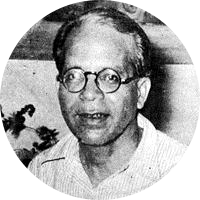
The literature of any era reflects its culture. From the mid-eighteenth century to the late nineteenth century, Lucknow held a prominent position in the culture of Northern India. Following the death of Emperor Aurangzeb, Delhi's status as the center of power weakened, yet the flame of culture continued to burn there. This flame might have burned longer, but shifting political landscapes gave rise to a new center, and economic hardships drove the devotees of poetry and literature to the new literary circles of Lucknow. Sauda and Mir were reluctant to leave Delhi, but they were forced to. Khwaja Mir Dard’s asceticism kept him anchored to a single threshold, but what choice did the other poets have? The allure of appreciation, admiration, literary patronage, and prosperity ultimately swept them away. Thus, the autumn of Delhi gave bloom to the spring of Lucknow.
There was a stark difference between Delhi and Lucknow. In Delhi, Urdu poetry was not merely an ornament of the royal court; it possessed its own grounding, foundation, and atmosphere. Linguistically, the Delhi region belonged to the domain of Khari Boli, and the Urdu language was the evolved form of this dialect. While Urdu poetry emulated Persian traditions, it retained the fundamental characteristics of its native tongue. The culture reflected by the Delhi poet also possessed a distinct populist hue. Sufism was woven into the very fabric of this culture, but it was a uniquely Indian Sufism. It had inherited the magnificent traits of Mughal civilization. Its Persian was distinctly Indian, and it was deeply influenced by the Iham-goi (wordplay and ambiguity) of Hindi poetry.
Even after adopting the Persianized style of Mirza Mazhar Jan-e-Janaan, the poetry of Mir and Sauda did not become alienated from its cultural roots. It never lost sight of the steps of the Jama Masjid and the everyday idioms spoken there. It possessed an urbanity, but one devoid of aristocratic pretension. Its emotions were genuine and unadorned; its expression of love was organic and natural. Its sense of failure and deprivation was marked by sorrow and vulnerability, rather than bitterness or misanthropy. While this poetry benefited from royal patronage, it was not entirely beholden to it. Its vibrancy was painted with the lifeblood of the poet, a devotion no less captivating than the beauty of the beloved. Its artistic craft never distanced it too far from nature.
Mir’s romantic poetry is not merely about romance, which is precisely why it is considered great poetry. Sauda’s satires (hajviyat) hold greater significance than his panegyrics (qasidas), as they reveal a social consciousness that remains a tremendous asset to our literature. The appeal of this poetry is broad, not confined. Its artistic sensibility is fluid, not stagnant. It worships emotion rather than mere words. There is a mournful quality to this emotion, but because it is a lament for the shattering of one's community, the upending of one's world, and the plundering of one's city, it possesses a profound realism and grandeur.
Upon arriving in Lucknow, this dynamic shifted entirely. Royal patronage, the prosperity of a privileged elite, the high status accorded to poets, and the widespread popularity of the fine arts lulled people into a state of delusion. They lost sight of the changing times, and their grasp on historical realities began to fade. This altered mindset transformed the poetic styles of Mushafi, Insha, and Jur'at, paving the way for the poetry of Nasikh and Aatish. Lucknow began to view its connection to Delhi as a shackle; by breaking this chain, it severed its ties with reality and immersed itself in absolute illusion. Consequently, the literature of Lucknow diverged from the literary traditions of Delhi, establishing its own distinct conventions, artistic principles, and standards. The question remains whether this literary autonomy—no matter how natural it may have seemed at the time—was ultimately right or wrong, and what impact this independence had on the broader trajectory of Urdu literature.
The language spoken in and around Lucknow was not Khari Boli, but Awadhi. However, under the influence of Lucknow’s rulers, Persian—and subsequently Urdu—gained currency among the upper classes. Urdu found a new urban center, but the culture that flourished in this metropolitan environment grew increasingly ornate, artificial, and insular day by day. Inevitably, this culture dyed the poetry of Lucknow in its own hues.
What is culture? It is not merely another name for politeness, delicacy, refinement, formality, and artificiality; it must inherently possess a human and social vision. Every civilization has an affluent class that both preserves and propagates its culture. While this class is insulated from financial anxieties, it still operates within an economic system. During the feudal era, cultural values were tethered to the royal court or to one aristocrat or another. When a nobleman resided in a town or village, his world naturally intersected with nature, the common people, and the everyday struggles of life. However, upon entering the royal court, he became entirely cut off from these realities. Consequently, the literature produced in the court became far more ornate and embellished than the literature that preceded it, and by that very measure, increasingly artificial.
In Delhi, Urdu poetry was never strictly confined to the world of the royal court. The power of the court had already waned, and poets were wandering from place to place in search of patrons and aristocrats. Consequently, the temperament of these poets was not inherently courtly. In contrast, the cultural landscape that took shape in Lucknow was entirely court-centric. The values it adopted were derived directly from the royal court. Until Nawab Asaf-ud-Daula established it as his capital, Lucknow held no real historical significance. Safdar Jung and Shuja-ud-Daula had brought immense glory to Faizabad, but with Asaf-ud-Daula, this splendor relocated to Lucknow. Lucknow maintained its status as a central hub for nearly a century, and during this period, it traversed the entire spectrum of evolution—from the era of the sword and the spear to the age of the lute and the peacock.
Interestingly, the traditions of asceticism and mysticism—which Mushafi considered essential to poetry—remained remarkably weak in the poetry of Lucknow. Only in the works of Aatish do we catch a glimpse of its former glory. Sufism, too, failed to take root and flourish in this soil. Scholarly depth and philosophical insight similarly saw little development here. While a religious fervor certainly existed, it was largely ceremonial in nature. Even in its religious poetry, profound spiritual sentiment is rarely found; the focus remains predominantly on religious rituals. Even where genuine emotion does exist—such as in the deep devotion of Mohsin—it is still heavily burdened by the need to be adorned with rhetorical devices and wordplay.
When Mir Amman of Delhi wrote Bagh-o-Bahar, he may have decorated his narrative with images of an imaginary world, but he consistently brought that imagination to life through the vivid realism of everyday details and events. In contrast, the storytellers of Lucknow sought to mesmerize their audience purely through ornate prose and embellished rhetoric. In short, the literature of Lucknow very quickly abandoned the traditions of Delhi. The profound romantic poetry of Mir devolves into the sensual, physical encounters (muamala-bandi) of Jur'at. Mushafi, who was once a brilliant successor to Mir, witnessed the immense popularity of Insha and Jur'at and compromised his own art to join their ranks. The concept of love was infiltrated by hedonism, lust, and the mere pursuit of physical conquest. The genre of Rekhti was invented. When authoritative figures like Nasikh took it upon themselves to protect the language, they ended up reducing Urdu to a mere handmaiden of Persian. They severed the language's ties with the common people entirely, meticulously weeding out words of Hindi origin. Ultimately, they abandoned the worship of poetic soul in favor of the worship of mere poetic craft.
It is a general rule that when the sphere of a civilization shrinks and people become indifferent to nature, the masses, or historical realities, they either turn art into an idol to be worshipped, or the feminine begins to dominate their sensibilities. Both of these phenomena occurred in Lucknow. Nasikh’s seriousness, his literary dictatorship, his mastery over language and craft, and his desire for and insistence upon discipline and order might seem highly commendable on the surface. However, upon closer inspection, one finds no deep emotion, no lofty imagination, and no passionate feeling in Nasikh’s poetry. He is not a poet but a master craftsman (ustad), and even his mastery brought less benefit and more harm to the language.
Both Azad and Hali had realized this. Both emphasized that Nasikh decorated his shop with paper flowers rather than natural ones. Whenever Nasikh took pride in his work, it was never for its emotional depth, impact, or magic, but rather for its thematic invention, verbal grandeur, and power of expression. He is a poet of the ghazal and a follower of Sauda, even though the true tradition of the ghazal belongs to Mir. He pays tribute to Mir, but does not consider it necessary to follow in his footsteps.
Kab hamari fikr se hota hai Sauda ka jawab
Haan tatabbo karte hain Nasikh hum us maghfoor ka
[How can my imagination ever produce a reply to Sauda?
Yes, Nasikh, I merely follow in the footsteps of that departed soul.]
Pehle apne ahd se afsos Sauda uth gaya
Kis se mangein ja ke Nasikh is ghazal ki daad hum
[Alas, Sauda passed away before our era,
To whom, O Nasikh, can we now go to seek praise for this ghazal?]
Tama hai insaaf-e-dostaan se keh itna farmayein sab zabaan se
Kiya hai Nasikh ne aasmaan se buland tar rutba is zameen ka
[I expect justice from my friends, that they all declare aloud:
Nasikh has elevated the status of this poetic ground higher than the sky.]
Fortunately for Nasikh, he lived in a highly favorable era. Poetry was held in great esteem during that time, and the society of Lucknow believed its own greatness lay in patronizing an art form like poetry. Being a poet was considered a virtue and a hallmark of culture. In this climate, poetry flourished. The number of poets multiplied, poetic symposiums (mushairas) became frequent, and the display of artistic craft became commonplace. However, poetry and literature are so unyielding that they do not evolve merely through patronage and prestige, but rather through certain human values. Whenever literature has been appreciated purely for the sake of literature, it has ceased to be great literature. As T.S. Eliot noted, Although literary standards are necessary for judging literature, literary standards alone are not enough. An awareness of certain human and social values is essential within that literature.
In the poetry that gained popularity under Nasikh’s influence, social consciousness is highly superficial, and the awareness of human values is severely lacking. Its morality is, in fact, a soulless and dry morality, devoid of both warmth and light. Its intellectual depth is mediocre, and its efforts are primarily expended on craft and vocabulary. Even within that craft, what is perceived as beauty is not true beauty, but rather artificiality and contrivance. The standards of eloquence and rhetoric, the strict adherence to poetic devices, and the obsession with similes and metaphors ultimately bring to mind a woman who is fond of heavy jewelry but possesses little natural beauty of her own.
Ghalib found more poignant verses (nishtar) in the works of Aatish and fewer in those of Nasikh. He considered the thematic essence of Delhi and the language of Lucknow to be the authentic standards, though in both assessments, Ghalib was merely being polite. In reality, Nasikh’s poetry completely lacks any piercing emotional quality. Just as he engaged in a strict physical exercise routine, he composed strictly formulaic verses. Nasikh was a man of great self-respect who never demeaned himself. Consequently, the prestige of both poetry and poets rose in society, yet as a poet, he remained mediocre. Aatish, on the other hand, possesses emotion, warmth, and pathos. He was not affiliated with the royal court in the same way Nasikh was, and correspondingly, he remained closer to the true essence of poetry. However, even Aatish viewed poetry as the setting of precious stones, and defined the poet as a jeweler.
In poetry, theme and language do not exist as entirely separate entities. Good poetry draws strength from both, and does not rely exclusively on just one. Under Nasikh’s influence, language was given disproportionate importance—and not a fresh, spoken language pulsating with living emotion, but rather a highly formal, aristocratic, artificial, and overly refined language. The authoritarianism inherent in Nasikh’s personality made it easy for him to impose his principles. He succeeded in enforcing these rules because his literary circle derived its prosperity from the royal court and remained indebted to it. In order to sustain the court and keep it pleased, this circle preferred to maintain the cultural chasm between the masses and the elite, rather than attempting to bridge it.
When Ghalib states that the thematic essence of Delhi is authentic, he means that Delhi’s poetry possesses a profound intellectual wealth. It derived this depth from certain social realities, and to achieve this profundity, it maintained a connection with a much broader world. The language of Lucknow is undoubtedly more polished, refined, and delicate than that of Delhi, but this polish, refinement, and delicacy came at a steep price and proved incredibly costly. It reduced the depiction of beauty in the ghazal to a mere inventory of clothing and cosmetics. It never allowed poetry to derail from the strict tracks of wordplay (ri'ayat). The smoothness it achieved ultimately resulted in a tiresome monotony. It treated the simile as an end in itself, expressing every thought behind a veil of something else—to the point where the veil itself, rather than the beloved, became the object of beauty. It applied the principle of Greek criticism that simile is the ornament of speech, but it never penetrated the true soul of the simile.
Nasikh’s similes may be awe-inspiring or structurally tight, but they lack magic and are ultimately victims of a rigid style. This point becomes clearer when contrasted with Ghalib’s similes. In Ghalib’s work, similes guide the reader toward a new emotional state and a unique style of thought—essentially, a new language. They serve as the garments for Shakespearean mental shadows; the observer does not merely stop at the garment, but perceives a perfectly proportioned form beneath it. Under Nasikh’s influence, however, the outward garment became everything. Poetry was reduced to mere rhyming. Thematic invention vanished, and the outward posture became the sole focus.
Such a detailed discussion of Nasikh is necessary because he is the architect of the Lucknow school’s literary values and the chief enforcer of its literary aesthetic. Nasikh is the one who declared Lucknow’s literary independence. In contrast, Aatish could never completely free himself from the influence of Mushafi, and similarly, the family of Mir Hasan could never fully absorb the literary color of Lucknow. This is precisely why one finds the combined influences of both Delhi and Lucknow in the works of Mir Hasan and Anees.
The secret to Anees’s greatness lies in the fact that he never fully submitted to Lucknow’s absolute autonomy, nor did he ever abandon the specific idioms of his own family. I have already established that Nasikh represents the first true literary personality of Lucknow; it was because of him that the Lucknow ghazal drifted further and further away from true lyrical essence (taghazzul). While acknowledging the greatness of Mir, it systematically ignored his actual example. Instead of remaining concise, the ghazal became protracted, placing far greater importance on mere rhyming. In the works of Wazir, Bahr, Mehr, Amanat, and Amir, this amounts to little more than cosmetic decoration. Despite the occasional sparks of brilliance from Rind and Ta'ashshuq (who were students of Nasikh), as well as Shauq and Saba, this poetry contains far more deadwood than substance. However, the contributions this era made to the marsiya (elegy) and the mathnawi are significant and demand closer examination.
After Nasikh, the second major literary figure of Lucknow is Anees. In the broader context of Urdu poetry, Anees holds an exceptionally high rank—not merely in comparison to Nasikh, but among the greatest poets of the language. The formality of Lucknow’s culture is reflected in Nasikh, its religiosity in Anees, and its suppleness and delicacy in Shauq Lakhnavi. Anees did not invent anything new within the marsiya (elegy) tradition. Instead, he capitalized on its existing popularity and channeled his entire literary sensibility into the genre. Up until the time of Sauda, the marsiya was primarily a medium for lamentation (bain). It began acquiring a literary hue during Sauda's era, and it was Zameer who forged the structural mold that eventually reached Anees. A comparison between the marsiyas of Zameer and Faseeh clearly illustrates this shift. Outwardly, Zameer expanded the scope of the marsiya, but a closer look reveals that he diminished its core element of mourning (marsiyat), repurposing it for social and cultural functions. He adapted the tashbeeb (prologue) of the qasida (panegyric) to describe physical appearances (sarapa), and utilized its conventions of praise (madh) to extol horses and swords. He transformed the marsiya from a narrative of the sufferings of the martyrs of Karbala into an epic (razmiya)—one that, by the time it reached Dabeer, had evolved into what Aatish described as the fantastical tale of Landhoor bin Saadan.
Lucknow’s society lacked its own contemporary heroes, historical triumphs, and indigenous myths and enchantments. It ultimately found these elements in the past, specifically within religious narratives. The marsiya proved highly compatible with Lucknow’s religious atmosphere. However, as Hali noted in his Muqaddama-e-Sher-o-Shairi:
Introducing elements of the battlefield (razm) and the court (bazm), pride and self-praise, and physical descriptions (sarapa) into the marsiya; crafting lengthy prologues and rhetorical flourishes; indulging in delicate conceits and soaring flights of imagination to praise horses and swords; and displaying poetic virtuosity—all of these are entirely contrary to the true subject of the marsiya. It is exactly as if a person, upon the death of his father or brother, were to deliberately compose ornate and rhyming sentences to express his grief, thereby showcasing his own eloquence and rhetoric rather than genuine sorrow.
Consequently, from Zameer onward, the marsiya ceased to be merely a chronicle of the sufferings endured by the martyrs of Karbala. Instead, it absorbed all the defining characteristics of Lucknow’s poetry. It now contained not only the thematic inventiveness and delicate imagination of the qasida, and the narrative flair and descriptive detail of the masnavi, but also the lyrical style of the ghazal.
In Anees’s poetry, a sword is never merely a sword; it is treated like a beloved. Even the horse is endowed with the majestic allure of a beloved. In this way, the aesthetic sensibility of the ghazal carves out a space for itself within the marsiya. Much has been written about the marsiya, and some critics have evaluated it against the highest standards of tragedy and epic poetry. This is not the place to delve into that debate. The point to emphasize here is that during Anees’s era, the marsiya evolved into a structured poem (nazm), and the mourning assembly (majlis) transformed into a literary gathering. The marsiya poet, much like poets of other genres, began to take immense pride in his craft, eager to demonstrate his mastery over the depictions of both the battlefield and the court. Anees is well aware of this, yet he declares:
Bazm ka rang juda, razm ka maidan hai juda
Yeh chaman aur hai zakhmon ka gulistan hai juda
Fahm-e-kamil ho toh har nama ka unwan hai juda
Mukhtasar parh ke rula dene ka saman hai juda
Dabdaba bhi ho, masaib bhi hon, tauseef bhi ho
Dil bhi mahzooz hon, riqqat bhi ho, tareef bhi ho
[The aura of the court is distinct, the battlefield is a realm apart;
This garden is of one kind, the rose-garden of wounds is a realm apart.
With perfect comprehension, the heading of every tale is distinct;
The art of bringing tears with a brief recitation is distinct.
There must be majesty, tales of suffering, and words of praise;
Hearts must be delighted, tears must flow, and there must be acclaim.]
In other words, the marsiya serves a dual purpose. Its first obligation is religious: to express grief over the sufferings of the martyrs of Karbala and to earn spiritual reward (sawab) by keeping their memory alive. Its second obligation is literary: to delight the audience by versifying physical descriptions, skillfully executing themes of horses and swords, and employing apt similes to depict the intensity of the summer heat or the beauty of a morning landscape. From the very beginning, the marsiya poet of Lucknow has been fulfilling this second, literary duty as well. However, lacking a broader structural vision, the poet struggles to conceptualize the entire tragedy as a cohesive drama. Instead, he typically focuses on a single event, a specific character, or a particular moment, treating each element under its own distinct heading. For him, the essence of the epic (razmiya) lies not in the mechanics of warfare, but in the glorification of the horse and the sword. His depictions of nature are largely confined to morning scenes and the scorching heat. Because the poet has not witnessed any of these scenes firsthand, but has rather conjured them through imagination and religious devotion, they lack a certain living, breathing vitality—though they are undeniably captivating to the eye.
Before Anees, the world of the marsiya was, in a sense, akin to the fantastical realm of the Tilism-e-Hoshruba. Its purpose was to use fantasies and dreams to help people forget their present reality, mitigating the sense of contemporary decline by allowing them to partake in the grandeur of the past. It allowed them to revere the moral values embodied by the Imam, only to then conveniently shelve those very values in practical life. While the ghazal amused this era, the marsiya provided an escape from it. However, by a remarkable stroke of fate, the marsiya found a true poet in the person of Anees. He transformed the genre's supernatural atmosphere, infusing it with the heartbeat of genuine human emotion. By drawing upon the colors of his own surroundings to articulate these feelings, he brought the marsiya to life. In Anees’s elegies, the names, characters, and events are Arabian, but the emotions are universally human, articulated in the distinct language, tone, and cadence of Lucknow. On the surface, it might seem that Anees sacrificed historical realism, but a closer examination reveals that he was, in fact, cultivating a different kind of realism.
Anees’s marsiyas are not merely poetic renditions of the tragedy of Karbala. One might raise objections regarding their historical accuracy, but the poet here acts as a storyteller, not a historian. He presented an imagined landscape to the society of Lucknow, yet the culture of that very society is reflected at every turn within this landscape. I do not view this Lucknawi coloring as a flaw in Anees’s work. Through the sheer power of his imagination, he resurrected an event from centuries past and preserved it within his elegies so masterfully that time will never be able to dim its brilliance.
His ultimate triumph lies in breathing life into the marsiya in two distinct ways: first, by endowing the participants of the Karbala tragedy with relatable human emotions; and second, by painting the background with the social and cultural motifs of his own milieu. The pinnacle of Anees’s emotional portrayal is found not in the martial fervor of warriors on the battlefield, but in his depiction of a father’s love for his daughter, a mother’s tender affection, a sister’s devotion to her brother, and a brother’s unwavering loyalty. He articulates these bonds so profoundly that the reader is compelled to acknowledge their universal human majesty. Anees was not acquainted with the formal principles of the epic. He neither painted a continuous, comprehensive picture, nor did he attempt character development in the strict literary sense.
Wherever Anees has presented a picture of the battlefield, it comes alive due to the sheer beauty of his expression. The reader is swept away in the flood of Anees’s oratory, his magical eloquence, and his devotion. The reader loses sight of the distinction between the swords of Aun and Muhammad and that of Imam Hussain; he does not question how a warrior can pause to acknowledge praise for every strike on the battlefield. He does not pay much attention to the distinctly Lucknowi style of the women’s mourning, because the magic of Anees’s unparalleled art has already cast its spell on him. And the magic of Anees’s unparalleled art lies not merely in his mastery of the craft, his eloquence, and his sweetness of tone, but in his depiction of emotions and his vivid visual imagery. His narrative of events is not exhaustive, grandiose, or sublime; rather, it is delicate, refined, and luminous. For example, when he depicts the scene of a sword striking, he casts a golden veil over it from the very beginning, and the reader, instead of seeing a sword, sees a slithering serpent, a beloved, or a wave of blood. The reader plunges and leaps in this flood. He finds a mental satisfaction in it, and when he finally escapes its grip, instead of the harsh reality of the scene, a beautiful memory remains.
In Anees’s marsiyas (elegies), these beautiful memories serve a religious purpose. They satisfy a religious sentiment. This satisfaction is an end in itself; it has no other purpose. In Anees’s work, one also finds passages which show that he could have infused this visual imagery with the passion of higher purposes. His sword, which possesses the flexibility of a serpent or the graceful stature of a beloved, is also the lightning of divine wrath. The Imam’s battle is not merely a superhuman phenomenon, but an exemplary feat to be followed. However, largely due to the influence of his environment, this belief—in the words of Hali, (that whatever patience and steadfastness, bravery and sympathy, loyalty and honor, zeal and firm resolve, and other virtuous morals were manifested by the great Imam himself and his relatives and friends in the battle of Karbala were beyond human capacity and belonged to the realm of miracles)—never even allows the thought of imitating or following their example to enter the heart. Consequently, Anees, too, becomes content with mere visual imagery.
For this imagery, he does not select values that would act as a piercing force in life, demonstrating to society that same resolve and steadfastness, that devotion to truth, that warrior-like spirit, fearless honesty, patience in adversity, and perseverance in the face of opposition. This could have happened, but why didn't it? The reason is that Anees, too, was ultimately a product of his environment. His self-respect kept him from praising worldly patrons after singing the praises of the King [Imam Hussain], but he considered the praises of the King to be sufficient in itself. This praise-singing was a source of salvation and mental satisfaction for him, just as Mohsin’s naat (poetry praising the Prophet) was a source of satisfaction for him. However, he does not fully utilize his potential; he wastes it in the futile and useless imitation of Dabeer. He did not want much more from poetry than this, and because of this, despite the presence of great moral values, his poetry lacks true passion and sublimity. He is a jeweler of words, and perhaps even a master jeweler cannot string pearls in such a manner.
He was a profoundly good man, and his poetry contains good and true human values. For the society of Lucknow, Anees’s poetry held an attraction for several reasons. It evoked a sense of noble moral emotions, but it considered the mere feeling of these emotions to be enough. It transported the audience to an imaginary world, and after a tour of that realm—which was, in a way, a magical one—it did not insist much on staying there. It allowed those people, who were far removed from the actual struggle, to mentally wield swords in that historical battle, endure the pangs of hunger and thirst, and fight falsehood for the sake of truth. The society was particularly satisfied that merely viewing these images was enough. It only demanded a spectacle. It only required a flight of imagination. This caused no disruption to their own familiar world; rather, after this mental excursion, their real world appeared even more appealing and pleasant. The poetry of Hali and Iqbal also takes the reader on a journey, but it insists on exacting a price for that journey. This is the fundamental difference between the two.
For this reason, I have argued that all the literary genres of Lucknow attempted to preserve and consolidate the general cultural values of the leisure class in every possible way. By amusing the mind through the ghazal, by showing dreams through the marsiya, and by offering verbal sympathy to good moral values—and then by using refined, attractive, ornate, precise, and deeply steeped language in both—they made the common people accustomed to and enamored with this delicacy and elegance. By making them devotees of this delicacy, elegance, and aestheticism, they devalued the passion of the masses, their growing social consciousness, the bitterness of their daily lives, and the harsh realization of their own realities. They instilled in them a love for a fading, crumbling, and declining culture. They named this waza-dari (adherence to tradition), Eastern ethos, and nobility. By giving verbal sympathy for the past the name of religion, this class secured its own paradise, and by gaining influence among the rich and the elite, it tied the real world to this class as well.
This point is even more evident in the masnavi, and here too, Hali’s comprehensive and far-sighted vision guides us. Hali had said that just as cooks accustomed to small pots cannot cook in a large cauldron, similarly, the aficionados of the ghazal cannot adhere to the requirements of the masnavi. A continuous narrative is essential in a masnavi. A sense of structure is mandatory. The storyteller of Lucknow neither adequately fulfills the duties of storytelling, nor does he depict scenes true to nature. He wants to mesmerize the mind with an abundance of similes and the force of exaggeration. He cannot fully explore nature, daily life, historical events, or the world of mythology; he is only in love with his own colorful environment. He cannot surrender himself to the beauty of nature or the magic of historical events. He is infatuated with his own language and his own idioms.
Consequently, in most of the masnavis of Lucknow, the tales are set in Iran, Turan, China, and Mazandaran, but the passion of love, the tone, and the philosophy are distinctly their own. The masnavi writer of Lucknow, Naseem, even at the height of his craft, is preoccupied with brevity, precision, and artistry; he cannot bring any atmosphere to life. He understands the psychology of women, and that is why, in Naseem’s work, Bakaoli’s arrival at the pond is depicted beautifully, but he has only observed women in very specific situations. Gulzar-e-Naseem is said to be the best masnavi of Lucknow, but in my opinion, this status should be given to Shauq’s Zahr-e-Ishq. I am not concerned here with the fact that, in the words of Hali, an angel of light has been made to do the work of an angel of darkness here.
What I must observe is that among all the masnavis of Lucknow, the most vibrant, luminous, and pulsating imagery is found in the masnavis of Shauq. However, if you examine the standard of love in Zahr-e-Ishq (The Poison of Love), you will realize exactly what kinds of elements had infiltrated Lucknow's culture. In Zahr-e-Ishq, love itself holds no real significance; it appears merely as a shadow. All the brilliance lies in its heroine, who is simultaneously the lover and the beloved. Alongside the grace of beauty, she possesses the heat of love and a fire capable of melting bones. For the sake of love, she can cheerfully sacrifice everything she has, and, in the words of Majnun [Gorakhpuri], she evokes memories of Manizheh and Anna Karenina.
Zahr-e-Ishq and Shauq’s other masnavis make it clear that in the culture of Lucknow, a woman was quite easily attainable. Not only that, but she had also become excessively involved and influential in the lives of men. This influence was not seen in the struggles of life, nor in the role of a life companion, but rather in drawing men away from reality and captivating them in her allure. This is precisely the reason behind the accusation of effeminacy often leveled against this culture.
This culture granted the tawaif (courtesan) a central position, and it is only fair to acknowledge that the courtesan played a major role in polishing and brightening the veneer of this society. However, as a result of her influence, feminine emotions inevitably seeped into speech, character, thought, and action. Had this not been the case, Wajid Ali Shah could never have become the hero of Lucknow. The entirety of Lucknow was like a woman whose beloved was Jaan-e-Alam Wajid Ali Shah—a ruler who did not lift a finger to save his kingdom, yet remained engrossed in his revelries until the very end.
The masnavi form is highly suited for objective, external poetry. In it, a poet can fulfill his artistic duty by narrating a continuous story, painting realistic scenes, establishing an appropriate atmosphere, and presenting authentic, vivid depictions of minute details. Yet, most poets of Lucknow strictly adhered to a predetermined mold. Within this mold, elements such as the sarapa (head-to-toe physical description), scenes of separation and union, the king's justice, the pomp and show of weddings, and natural phenomena all appear in their designated places in such a way that there is an overwhelming uniformity across all these depictions. Individuality is exceedingly rare. Life is found only in the works of Shauq, and this is because he was intimately familiar with the stories, characters, settings, and imagery he chose to depict, and he had absolutely no desire to step outside of that environment.
Sihr-ul-Bayan also features Lucknow and its society, but its narrator belongs to Delhi. His vision, style, and structure are entirely rooted in his native Delhi. The story is supernatural, yet its details are vibrant, breathing, and real. This is why characters like Badr Munir, Benazir, and Najm-un-Nisa feel so alive. Bakawali, too, occasionally comes to life, but Naseem stifles her at every turn. In other words, the poetry of Lucknow confines itself within a mental fortress. Even when its imagination transports it to the world of the past, it fails to bring that past to life.
When its powers of observation invite it to look at the present, it presents images of the contemporary world that are restricted to a specific urban—or rather, courtly—environment. Its depiction of love is mostly successful, which is to say, it is a cheap kind of love. Its beauty is visually deceptive, not emotionally moving. The common people have very little presence in its literature. Its literary wealth is vast, yet it lacks both weight and substance. However, it possesses a strange kind of peace and contentment: there is no mental turmoil, no psychological complex, no romanticizing of the past, and no anxiety about the future. Nor is it truly absorbed in its own present. It contains a charming bohemianism, a recreational zeal, and a sheer delight in language. It holds a deep reverence for only one thing—a passion that demands rigorous practice and the sweating of blood—and that is its art. By demanding a minimum established standard from every poet, it instills the drive to master this craft purely as an art form. It is willing to sacrifice everything for the sake of art. However, its erudition does not endow it with that profound philosophical sensibility which subordinates knowledge to the greater values of life; instead, it merely highlights its Brahmanism (elitism). It makes the literature haughty and highbrow.
Because of this attitude, it teaches one to turn a blind eye to certain aspects of the greatness of Mir or Nazir, and it reduces Urdu to a slave of Persian poetry. It does not believe in experimentation; it is a worshipper of tradition. It views spirituality and raw emotion with suspicion. It cherishes discipline, order, and classical grandeur. And what is its achievement in prose? Initially, it paid no attention to prose whatsoever. When prose was finally granted an audience in its court, it had to step forward holding the finger of poetry.
The first major achievement of Lucknow’s prose is Fasana-e-Ajaib, but what kind of achievement is it really? Urdu critics have praised every conceivable aspect of it, and figures like Bishan Narayan Dar, Chakbast, Askari, and others have showered it with the highest accolades. Yet, it possesses neither the vast expanse and magic of Tilism-e-Hoshruba, nor the charm and captivation of Bagh-o-Bahar. Compared to the sorcerers of Tilism-e-Hoshruba, Suroor appears to be nothing more than a street juggler. One touted merit of his tale is that it is an original invention, but it lacks both the magic of imagination and the grandeur of true creation. The narrative limps along, and the characters are utterly lifeless. The magicians seem like dwarfs; the hero lacks greatness, and the heroine lacks charm.
Anjuman Ara does retain a certain glimmer and pride, but only that of an ordinary woman. She inspires nothing for which a person would lay down their life or turn heaven and earth upside down. The speeches on the transience of the world, which outwardly seem quite moving, fail to integrate as a genuine part of the narrative. Suroor writes of magic and enchantment, but his art does not allow him to truly lose himself in them; hence, his work lacks impact. He is merely a blind follower of convention. Tilism-e-Hoshruba is a different matter altogether. Its framework is ancient. Its original architects were men whose ancestors had fought in real battles, and who had witnessed hundreds of scenes of war and royal assemblies firsthand. In Lucknow, this blueprint was richly colored in, endowing the book with literary beauty, fluidity, and charm. However, its true greatness was derived not from Lucknow, but from the original tale itself.
In Fasana-e-Ajaib, not only is the narrative ordinary and lifeless, but its style of expression lacks the very essence of prose. Its highly artificial, rhyming sentences and its heavy reliance on similes and metaphors make it a blemish on Urdu prose. Prose demands clarity and precision. It should be fluid and simple; its primary duty is to convey thought, and its greatest beauty lies in the accurate description of events. The prose of Fasana-e-Ajaib is not meant to communicate, inform, or illustrate; rather, it aims to induce a state of ecstasy. When it fails to achieve this through imagination or observation, it attempts to dazzle the reader through stylistic acrobatics and heavy ornamentation. In the culture of Lucknow, practical prose is bogged down by complex terminology. If it is meant for entertainment, it exists merely to make the audience nod in ecstatic appreciation. It contains very little good prose and far too much of the ornamentation typical of bad poetry. The true vitality of this prose emerges in the Awadh Punch. Even though the prose of Awadh Punch offers fewer sprinkles of refined wit and more downpours of teasing, laughter, and loud guffaws, it still possesses far more life than the writings of Rajab Ali Baig Suroor, despite being heavily influenced by him.
The true greatness of Lucknow’s prose was realized only in the works of Ratan Nath Dhar Sarshar. This is because Sarshar, while possessing the heart of a lover, also possessed a philosophical awareness. Despite his deep affection for the culture in which he was raised, he was capable of viewing it through a critical lens. In his work, prose is finally utilized for its true purpose. This is exactly how great literature comes into being. Granted, there are many flaws in Sarshar’s writing. He is heavily influenced by traditional oral epics (dastans), and he still harbors a fondness for writing in rhymed prose. His narratives lack structural organization, and he shies away from the psychological depth necessary to give characters true vibrancy and life. His constant attempts at humor often feel unnecessary, and he frequently interrupts the narrative to offer moral advice. However, these shortcomings pale in comparison to the creative brilliance of his prose, his atmospheric world-building, his vivid literary painting, his bold colors, and the sharp, captivating nature of his satire. Sarshar’s hero travels from city to city, constantly expressing his frustration at their absurd customs.
In reality, however, he remains rooted in Lucknow; he is deeply in love with the very culture he mocks. Sarshar’s greatness lies in his ability to direct his satire at his own people and to sacrifice his own cherished ideals for the sake of critique. The vitality of Sarshar’s prose stems from his immense realism, his intimate knowledge of every nuance of his environment, the lively and fragrant atmosphere of his dialogues, and the torrential flood of his humor. He does not possess a particularly refined prose style; the discipline and structural order required for such a style are simply beyond his grasp. Prose is the evolved form of spoken language. Its purpose is not to incite emotion, but to illuminate the mind. It relies on reason and logical argumentation, taking shape through concrete examples rather than abstract imagination.
In poetry, exaggeration is considered a virtue. Poetry employs rhetoric and oratory, whereas prose actively avoids them. Poetry possesses the pleasure and resonance of music, while prose distances itself from such melodic chiming. Poetry has an eternal enmity with mathematics, whereas prose utilizes mathematical precision and clarity. In poetry, intellectual issues and social realities are expressed through subtle allusions; in prose, they are detailed and thoroughly explained. While poetry can serve a functional purpose to a certain extent, prose is far better suited for everyday life, growing human needs, and untangling the ever-increasing complexities of the modern era. Before Sarshar, the writers of Lucknow had not yet developed the vision required to critique their own way of life. Consequently, they did not produce prose in the truest sense of the word.
Sarshar’s prose is also poetic and colorful, but it represents Lucknow’s first major literary effort that closely mirrors everyday speech and remains indifferent to the musicality of rhyme. His prose may not be tightly woven, but it is perfectly suited for the free-flowing structure of fiction. The portrait of Lucknow’s culture is best painted using the authentic tone and dialect of the city's own language. This authenticity grants his work both a moral lesson and a deep sensitivity, ensuring its enduring significance. Despite being a product of a feudal culture, Sarshar was witnessing its inevitable decline. This decline caused him some sorrow, yet he recognized it as a natural progression. He was not alienated from the emerging capitalist culture; in fact, he supported several of its values. He had no desire to return to the past, nor was he content to remain stagnant within it. He was content simply to show others what he had observed, and this in itself is a remarkable achievement.
In the realm of Lucknow’s prose, Abdul Halim Sharar and Mirza Hadi Ruswa hold a significance similar to that of Shauq Qidwai and Brij Narayan Chakbast in its poetry. During their era, cracks began to appear in the intellectual fortress of Lucknow. The feudal culture—which had been cloaked in the appealing guise of nobility, traditional elegance, and Orientalism—had grown so antiquated that its frayed edges were now clearly visible. The people of this period began to accept certain modern ideas, though they did so with their minds rather than their hearts. Sparked by journals like Tehzib-ul-Akhlaq and Awadh Punch, a wave of ideological disagreements, debates, and satirical attacks began to flood magazines and newspapers. Essentially, one faction of writers sought to steer literature in one direction, while another faction pulled it in the opposite direction.
When, in the words of Chakbast, the Awadh Punch lifted the veil from the face of language and humor in 1877, it marked the Lucknow School's final major attempt to assert its literary supremacy—an attempt that failed in every respect. Sharar and Ruswa also painted portraits of Lucknow’s culture, but they had already joined the ranks of those who were liberating literature from the dictatorial grip of both Lucknow and Delhi. Sarshar, too, stood close to this new vanguard, though he was not as modern in his sensibilities as Sharar and Ruswa. Sharar, on the one hand, accepted the intellectual leadership of the Aligarh Movement, while on the other, he continued to hold certain traditional characteristics of Lucknow close to his heart.
Intellectually, Ruswa was thoroughly modern. Umrao Jaan Ada is a modern novel; its structural discipline, its vivid depictions, its realism, and its artistic craft are all distinctly modern. Ruswa had no desire to be a moralizing preacher, and in the rare instances where he does attempt to impart moral lessons, he ceases to be a true artist. Thus, the absolute authority of the Lucknow School came to an end—in poetry, starting from the era of Shauq Qidwai and Chakbast, and in prose, from the time of Sharar and Ruswa. Following this shift, Lucknow’s poets—such as Safi, Saqib, Aziz, and Asar—began to elevate Mir and Ghalib above the traditional linguists of Lucknow. Similarly, through essays, journals, books, and newspapers, Lucknow’s prose writers sought to cultivate an educated readership, just as writers elsewhere were doing. In essence, they finally began to utilize literature for a broader, more functional purpose.
Geographically, Lucknow is situated in the central part of India. Bound by its history and culture, it is slow to embrace new winds, new ideas, and new movements. It is a worshipper of tradition—specifically, the traditions of the feudal era. While capitalist culture is breathing its last and the bourgeoisie is gripped by a new sorrow and anguish, leaving it torn between life and death, Lucknow has not yet fully experienced even this phase in the true sense. The people of Lucknow never allowed any storm to breach the shores of their island. Even the voice of Iqbal remains entirely novel here. The rigid, suffocating principles of Ishq and his disciples are still praised in hushed tones. Some people equate Lakhnaviyat (the essence of Lucknow) with an obsession with mourning, shrouds, corpses, and death. This is incorrect. In truth, this element was absent during Lucknow's prime. Back then, it possessed a vibrant liveliness, a playful rhythm, a distinct wit, and a somewhat superficial, libertine flair.
Up until the time of Ameer and Jalal, this mournful tone remained highly literary. However, once the last vestiges of Lucknow’s splendor faded and the satirical arrows of Lakhnaviyat lost their edge, the mourning for a lost feudal culture found its way into words under the guise of Mir’s melancholy. Aziz and Saqib attempted to express Ghalib’s thoughts using Mir’s language. They failed to realize that Mir’s language requires a passion akin to Mir’s, just as Ghalib’s thoughts demand a mind like Ghalib’s—qualities that, historically speaking, were impossible for them to attain. There is another underlying reason for this mournful tone. Anees had elevated the marsiya (elegy) to such a pinnacle that, after him, only imitation was possible. His successors fulfilled this role to some extent, but the driving forces behind the marsiya's popularity began to wane following the fall of the Kingdom of Awadh. Yet, the public's desire to listen to elegies and seek emotional and mental solace in them persisted. They ultimately found this solace in this new mournful tone of poetry.
The poetry of Aziz and Saqib is completely steeped in this melancholy. However, this hue is less pronounced in the works of Safi and Asar. Safi was associated with national movements from the very beginning, a connection that introduced him to new hopes and aspirations. It is because of this same spirit that we see the greatness of a patriotic, national, and political poet in Chakbast. The inherent refinement in Asar’s temperament prevented him from being entirely consumed by Aziz’s style. His education and professional life endowed him with a flexible mind, and for his inspiration, he turned back to Mir.
The poetry of Delhi is a poetry of emotion; there, the emotion possesses a beauty of its own. In contrast, the poetry of Lucknow sacrifices emotion at the altar of art. The artificiality, aristocratic grandeur, and a certain effeminacy found within it stem directly from its culture. This is the consequence of clinging to feudal values long after their era had passed. Initially, this poetry lacked a mournful tone, but following the decline of the marsiya, this melancholy emerged naturally. It was very late to embrace colloquial language. A sense of superiority had endowed it with a satirical tone, which it utilized extensively in the Awadh Punch.
It possesses a cleverness that can be described as wit, but it never achieves the true heights of humour. The underlying current of complacency and contentment found within it only highlights its superficiality. It never experienced the inner turmoil that arises from the collision of grand dreams with harsh realities. It always viewed romanticism or rebellion with suspicion. While it polished and refined the language, it also confined and restricted it. By rejecting the traditions of Delhi, it ultimately harmed itself. It rendered a great service to language and literature, yet it taught them to be loyal to trivialities rather than to profound ideals. In Lucknow, every old and obsolete tradition found a safe haven, while every new movement was viewed with skepticism. In prose, its scholarly output is quite meager, and its recreational literature lacks the eternal charm of works like Bagh-o-Bahar. Its humorous literature is certainly commendable, but even that relies far too heavily on wordplay (ri'ayat-e-lafzi).
Just like hero-worship, school-worship (dabistan-parasti) is a detrimental tendency in literature. Both of these traits were highly prominent in Lucknow, and neither should be allowed to exceed a certain limit. Upon reviewing the entire literary output of the Lucknow school, one realizes that greatness in literature does not come merely from polishing one's craft; it comes from making art a servant to the great, wholesome, and progressive forces of life. An excessive focus on art is largely the result of an escapist attitude toward life. When this focus on art is aimed not at cultivating expansiveness, universality, vitality, power, passion, and emotion, but rather at producing softness, delicacy, refinement, suppleness, and symmetry, then this worship of art becomes even more dangerous. Furthermore, reducing literature to mere poetry or linguistic sorcery is akin to shrinking the boundless ocean of literature into a shallow stream. Literature must draw its material from education and politics, history and biography, criticism and commentary, all the way to science, economics, and psychology—and in its own unique way, it must also serve a prophetic, guiding role.
The literature of any era reflects its culture. From the mid-eighteenth century to the late nineteenth century, Lucknow held a prominent position in the culture of Northern India. Following the death of Emperor Aurangzeb, Delhi's status as the center of power weakened, yet the flame of culture continued to burn there. This flame might have burned longer, but shifting political landscapes gave rise to a new center, and economic hardships drove the devotees of poetry and literature to the new literary circles of Lucknow. Sauda and Mir were reluctant to leave Delhi, but they were forced to. Khwaja Mir Dard’s asceticism kept him anchored to a single threshold, but what choice did the other poets have? The allure of appreciation, admiration, literary patronage, and prosperity ultimately swept them away. Thus, the autumn of Delhi gave bloom to the spring of Lucknow.
There was a stark difference between Delhi and Lucknow. In Delhi, Urdu poetry was not merely an ornament of the royal court; it possessed its own grounding, foundation, and atmosphere. Linguistically, the Delhi region belonged to the domain of Khari Boli, and the Urdu language was the evolved form of this dialect. While Urdu poetry emulated Persian traditions, it retained the fundamental characteristics of its native tongue. The culture reflected by the Delhi poet also possessed a distinct populist hue. Sufism was woven into the very fabric of this culture, but it was a uniquely Indian Sufism. It had inherited the magnificent traits of Mughal civilization. Its Persian was distinctly Indian, and it was deeply influenced by the Iham-goi (wordplay and ambiguity) of Hindi poetry.
Even after adopting the Persianized style of Mirza Mazhar Jan-e-Janaan, the poetry of Mir and Sauda did not become alienated from its cultural roots. It never lost sight of the steps of the Jama Masjid and the everyday idioms spoken there. It possessed an urbanity, but one devoid of aristocratic pretension. Its emotions were genuine and unadorned; its expression of love was organic and natural. Its sense of failure and deprivation was marked by sorrow and vulnerability, rather than bitterness or misanthropy. While this poetry benefited from royal patronage, it was not entirely beholden to it. Its vibrancy was painted with the lifeblood of the poet, a devotion no less captivating than the beauty of the beloved. Its artistic craft never distanced it too far from nature.
Mir’s romantic poetry is not merely about romance, which is precisely why it is considered great poetry. Sauda’s satires (hajviyat) hold greater significance than his panegyrics (qasidas), as they reveal a social consciousness that remains a tremendous asset to our literature. The appeal of this poetry is broad, not confined. Its artistic sensibility is fluid, not stagnant. It worships emotion rather than mere words. There is a mournful quality to this emotion, but because it is a lament for the shattering of one's community, the upending of one's world, and the plundering of one's city, it possesses a profound realism and grandeur.
Upon arriving in Lucknow, this dynamic shifted entirely. Royal patronage, the prosperity of a privileged elite, the high status accorded to poets, and the widespread popularity of the fine arts lulled people into a state of delusion. They lost sight of the changing times, and their grasp on historical realities began to fade. This altered mindset transformed the poetic styles of Mushafi, Insha, and Jur'at, paving the way for the poetry of Nasikh and Aatish. Lucknow began to view its connection to Delhi as a shackle; by breaking this chain, it severed its ties with reality and immersed itself in absolute illusion. Consequently, the literature of Lucknow diverged from the literary traditions of Delhi, establishing its own distinct conventions, artistic principles, and standards. The question remains whether this literary autonomy—no matter how natural it may have seemed at the time—was ultimately right or wrong, and what impact this independence had on the broader trajectory of Urdu literature.
The language spoken in and around Lucknow was not Khari Boli, but Awadhi. However, under the influence of Lucknow’s rulers, Persian—and subsequently Urdu—gained currency among the upper classes. Urdu found a new urban center, but the culture that flourished in this metropolitan environment grew increasingly ornate, artificial, and insular day by day. Inevitably, this culture dyed the poetry of Lucknow in its own hues.
What is culture? It is not merely another name for politeness, delicacy, refinement, formality, and artificiality; it must inherently possess a human and social vision. Every civilization has an affluent class that both preserves and propagates its culture. While this class is insulated from financial anxieties, it still operates within an economic system. During the feudal era, cultural values were tethered to the royal court or to one aristocrat or another. When a nobleman resided in a town or village, his world naturally intersected with nature, the common people, and the everyday struggles of life. However, upon entering the royal court, he became entirely cut off from these realities. Consequently, the literature produced in the court became far more ornate and embellished than the literature that preceded it, and by that very measure, increasingly artificial.
In Delhi, Urdu poetry was never strictly confined to the world of the royal court. The power of the court had already waned, and poets were wandering from place to place in search of patrons and aristocrats. Consequently, the temperament of these poets was not inherently courtly. In contrast, the cultural landscape that took shape in Lucknow was entirely court-centric. The values it adopted were derived directly from the royal court. Until Nawab Asaf-ud-Daula established it as his capital, Lucknow held no real historical significance. Safdar Jung and Shuja-ud-Daula had brought immense glory to Faizabad, but with Asaf-ud-Daula, this splendor relocated to Lucknow. Lucknow maintained its status as a central hub for nearly a century, and during this period, it traversed the entire spectrum of evolution—from the era of the sword and the spear to the age of the lute and the peacock.
Interestingly, the traditions of asceticism and mysticism—which Mushafi considered essential to poetry—remained remarkably weak in the poetry of Lucknow. Only in the works of Aatish do we catch a glimpse of its former glory. Sufism, too, failed to take root and flourish in this soil. Scholarly depth and philosophical insight similarly saw little development here. While a religious fervor certainly existed, it was largely ceremonial in nature. Even in its religious poetry, profound spiritual sentiment is rarely found; the focus remains predominantly on religious rituals. Even where genuine emotion does exist—such as in the deep devotion of Mohsin—it is still heavily burdened by the need to be adorned with rhetorical devices and wordplay.
When Mir Amman of Delhi wrote Bagh-o-Bahar, he may have decorated his narrative with images of an imaginary world, but he consistently brought that imagination to life through the vivid realism of everyday details and events. In contrast, the storytellers of Lucknow sought to mesmerize their audience purely through ornate prose and embellished rhetoric. In short, the literature of Lucknow very quickly abandoned the traditions of Delhi. The profound romantic poetry of Mir devolves into the sensual, physical encounters (muamala-bandi) of Jur'at. Mushafi, who was once a brilliant successor to Mir, witnessed the immense popularity of Insha and Jur'at and compromised his own art to join their ranks. The concept of love was infiltrated by hedonism, lust, and the mere pursuit of physical conquest. The genre of Rekhti was invented. When authoritative figures like Nasikh took it upon themselves to protect the language, they ended up reducing Urdu to a mere handmaiden of Persian. They severed the language's ties with the common people entirely, meticulously weeding out words of Hindi origin. Ultimately, they abandoned the worship of poetic soul in favor of the worship of mere poetic craft.
It is a general rule that when the sphere of a civilization shrinks and people become indifferent to nature, the masses, or historical realities, they either turn art into an idol to be worshipped, or the feminine begins to dominate their sensibilities. Both of these phenomena occurred in Lucknow. Nasikh’s seriousness, his literary dictatorship, his mastery over language and craft, and his desire for and insistence upon discipline and order might seem highly commendable on the surface. However, upon closer inspection, one finds no deep emotion, no lofty imagination, and no passionate feeling in Nasikh’s poetry. He is not a poet but a master craftsman (ustad), and even his mastery brought less benefit and more harm to the language.
Both Azad and Hali had realized this. Both emphasized that Nasikh decorated his shop with paper flowers rather than natural ones. Whenever Nasikh took pride in his work, it was never for its emotional depth, impact, or magic, but rather for its thematic invention, verbal grandeur, and power of expression. He is a poet of the ghazal and a follower of Sauda, even though the true tradition of the ghazal belongs to Mir. He pays tribute to Mir, but does not consider it necessary to follow in his footsteps.
Kab hamari fikr se hota hai Sauda ka jawab
Haan tatabbo karte hain Nasikh hum us maghfoor ka
[How can my imagination ever produce a reply to Sauda?
Yes, Nasikh, I merely follow in the footsteps of that departed soul.]
Pehle apne ahd se afsos Sauda uth gaya
Kis se mangein ja ke Nasikh is ghazal ki daad hum
[Alas, Sauda passed away before our era,
To whom, O Nasikh, can we now go to seek praise for this ghazal?]
Tama hai insaaf-e-dostaan se keh itna farmayein sab zabaan se
Kiya hai Nasikh ne aasmaan se buland tar rutba is zameen ka
[I expect justice from my friends, that they all declare aloud:
Nasikh has elevated the status of this poetic ground higher than the sky.]
Fortunately for Nasikh, he lived in a highly favorable era. Poetry was held in great esteem during that time, and the society of Lucknow believed its own greatness lay in patronizing an art form like poetry. Being a poet was considered a virtue and a hallmark of culture. In this climate, poetry flourished. The number of poets multiplied, poetic symposiums (mushairas) became frequent, and the display of artistic craft became commonplace. However, poetry and literature are so unyielding that they do not evolve merely through patronage and prestige, but rather through certain human values. Whenever literature has been appreciated purely for the sake of literature, it has ceased to be great literature. As T.S. Eliot noted, Although literary standards are necessary for judging literature, literary standards alone are not enough. An awareness of certain human and social values is essential within that literature.
In the poetry that gained popularity under Nasikh’s influence, social consciousness is highly superficial, and the awareness of human values is severely lacking. Its morality is, in fact, a soulless and dry morality, devoid of both warmth and light. Its intellectual depth is mediocre, and its efforts are primarily expended on craft and vocabulary. Even within that craft, what is perceived as beauty is not true beauty, but rather artificiality and contrivance. The standards of eloquence and rhetoric, the strict adherence to poetic devices, and the obsession with similes and metaphors ultimately bring to mind a woman who is fond of heavy jewelry but possesses little natural beauty of her own.
Ghalib found more poignant verses (nishtar) in the works of Aatish and fewer in those of Nasikh. He considered the thematic essence of Delhi and the language of Lucknow to be the authentic standards, though in both assessments, Ghalib was merely being polite. In reality, Nasikh’s poetry completely lacks any piercing emotional quality. Just as he engaged in a strict physical exercise routine, he composed strictly formulaic verses. Nasikh was a man of great self-respect who never demeaned himself. Consequently, the prestige of both poetry and poets rose in society, yet as a poet, he remained mediocre. Aatish, on the other hand, possesses emotion, warmth, and pathos. He was not affiliated with the royal court in the same way Nasikh was, and correspondingly, he remained closer to the true essence of poetry. However, even Aatish viewed poetry as the setting of precious stones, and defined the poet as a jeweler.
In poetry, theme and language do not exist as entirely separate entities. Good poetry draws strength from both, and does not rely exclusively on just one. Under Nasikh’s influence, language was given disproportionate importance—and not a fresh, spoken language pulsating with living emotion, but rather a highly formal, aristocratic, artificial, and overly refined language. The authoritarianism inherent in Nasikh’s personality made it easy for him to impose his principles. He succeeded in enforcing these rules because his literary circle derived its prosperity from the royal court and remained indebted to it. In order to sustain the court and keep it pleased, this circle preferred to maintain the cultural chasm between the masses and the elite, rather than attempting to bridge it.
When Ghalib states that the thematic essence of Delhi is authentic, he means that Delhi’s poetry possesses a profound intellectual wealth. It derived this depth from certain social realities, and to achieve this profundity, it maintained a connection with a much broader world. The language of Lucknow is undoubtedly more polished, refined, and delicate than that of Delhi, but this polish, refinement, and delicacy came at a steep price and proved incredibly costly. It reduced the depiction of beauty in the ghazal to a mere inventory of clothing and cosmetics. It never allowed poetry to derail from the strict tracks of wordplay (ri'ayat). The smoothness it achieved ultimately resulted in a tiresome monotony. It treated the simile as an end in itself, expressing every thought behind a veil of something else—to the point where the veil itself, rather than the beloved, became the object of beauty. It applied the principle of Greek criticism that simile is the ornament of speech, but it never penetrated the true soul of the simile.
Nasikh’s similes may be awe-inspiring or structurally tight, but they lack magic and are ultimately victims of a rigid style. This point becomes clearer when contrasted with Ghalib’s similes. In Ghalib’s work, similes guide the reader toward a new emotional state and a unique style of thought—essentially, a new language. They serve as the garments for Shakespearean mental shadows; the observer does not merely stop at the garment, but perceives a perfectly proportioned form beneath it. Under Nasikh’s influence, however, the outward garment became everything. Poetry was reduced to mere rhyming. Thematic invention vanished, and the outward posture became the sole focus.
Such a detailed discussion of Nasikh is necessary because he is the architect of the Lucknow school’s literary values and the chief enforcer of its literary aesthetic. Nasikh is the one who declared Lucknow’s literary independence. In contrast, Aatish could never completely free himself from the influence of Mushafi, and similarly, the family of Mir Hasan could never fully absorb the literary color of Lucknow. This is precisely why one finds the combined influences of both Delhi and Lucknow in the works of Mir Hasan and Anees.
The secret to Anees’s greatness lies in the fact that he never fully submitted to Lucknow’s absolute autonomy, nor did he ever abandon the specific idioms of his own family. I have already established that Nasikh represents the first true literary personality of Lucknow; it was because of him that the Lucknow ghazal drifted further and further away from true lyrical essence (taghazzul). While acknowledging the greatness of Mir, it systematically ignored his actual example. Instead of remaining concise, the ghazal became protracted, placing far greater importance on mere rhyming. In the works of Wazir, Bahr, Mehr, Amanat, and Amir, this amounts to little more than cosmetic decoration. Despite the occasional sparks of brilliance from Rind and Ta'ashshuq (who were students of Nasikh), as well as Shauq and Saba, this poetry contains far more deadwood than substance. However, the contributions this era made to the marsiya (elegy) and the mathnawi are significant and demand closer examination.
After Nasikh, the second major literary figure of Lucknow is Anees. In the broader context of Urdu poetry, Anees holds an exceptionally high rank—not merely in comparison to Nasikh, but among the greatest poets of the language. The formality of Lucknow’s culture is reflected in Nasikh, its religiosity in Anees, and its suppleness and delicacy in Shauq Lakhnavi. Anees did not invent anything new within the marsiya (elegy) tradition. Instead, he capitalized on its existing popularity and channeled his entire literary sensibility into the genre. Up until the time of Sauda, the marsiya was primarily a medium for lamentation (bain). It began acquiring a literary hue during Sauda's era, and it was Zameer who forged the structural mold that eventually reached Anees. A comparison between the marsiyas of Zameer and Faseeh clearly illustrates this shift. Outwardly, Zameer expanded the scope of the marsiya, but a closer look reveals that he diminished its core element of mourning (marsiyat), repurposing it for social and cultural functions. He adapted the tashbeeb (prologue) of the qasida (panegyric) to describe physical appearances (sarapa), and utilized its conventions of praise (madh) to extol horses and swords. He transformed the marsiya from a narrative of the sufferings of the martyrs of Karbala into an epic (razmiya)—one that, by the time it reached Dabeer, had evolved into what Aatish described as the fantastical tale of Landhoor bin Saadan.
Lucknow’s society lacked its own contemporary heroes, historical triumphs, and indigenous myths and enchantments. It ultimately found these elements in the past, specifically within religious narratives. The marsiya proved highly compatible with Lucknow’s religious atmosphere. However, as Hali noted in his Muqaddama-e-Sher-o-Shairi:
Introducing elements of the battlefield (razm) and the court (bazm), pride and self-praise, and physical descriptions (sarapa) into the marsiya; crafting lengthy prologues and rhetorical flourishes; indulging in delicate conceits and soaring flights of imagination to praise horses and swords; and displaying poetic virtuosity—all of these are entirely contrary to the true subject of the marsiya. It is exactly as if a person, upon the death of his father or brother, were to deliberately compose ornate and rhyming sentences to express his grief, thereby showcasing his own eloquence and rhetoric rather than genuine sorrow.
Consequently, from Zameer onward, the marsiya ceased to be merely a chronicle of the sufferings endured by the martyrs of Karbala. Instead, it absorbed all the defining characteristics of Lucknow’s poetry. It now contained not only the thematic inventiveness and delicate imagination of the qasida, and the narrative flair and descriptive detail of the masnavi, but also the lyrical style of the ghazal.
In Anees’s poetry, a sword is never merely a sword; it is treated like a beloved. Even the horse is endowed with the majestic allure of a beloved. In this way, the aesthetic sensibility of the ghazal carves out a space for itself within the marsiya. Much has been written about the marsiya, and some critics have evaluated it against the highest standards of tragedy and epic poetry. This is not the place to delve into that debate. The point to emphasize here is that during Anees’s era, the marsiya evolved into a structured poem (nazm), and the mourning assembly (majlis) transformed into a literary gathering. The marsiya poet, much like poets of other genres, began to take immense pride in his craft, eager to demonstrate his mastery over the depictions of both the battlefield and the court. Anees is well aware of this, yet he declares:
Bazm ka rang juda, razm ka maidan hai juda
Yeh chaman aur hai zakhmon ka gulistan hai juda
Fahm-e-kamil ho toh har nama ka unwan hai juda
Mukhtasar parh ke rula dene ka saman hai juda
Dabdaba bhi ho, masaib bhi hon, tauseef bhi ho
Dil bhi mahzooz hon, riqqat bhi ho, tareef bhi ho
[The aura of the court is distinct, the battlefield is a realm apart;
This garden is of one kind, the rose-garden of wounds is a realm apart.
With perfect comprehension, the heading of every tale is distinct;
The art of bringing tears with a brief recitation is distinct.
There must be majesty, tales of suffering, and words of praise;
Hearts must be delighted, tears must flow, and there must be acclaim.]
In other words, the marsiya serves a dual purpose. Its first obligation is religious: to express grief over the sufferings of the martyrs of Karbala and to earn spiritual reward (sawab) by keeping their memory alive. Its second obligation is literary: to delight the audience by versifying physical descriptions, skillfully executing themes of horses and swords, and employing apt similes to depict the intensity of the summer heat or the beauty of a morning landscape. From the very beginning, the marsiya poet of Lucknow has been fulfilling this second, literary duty as well. However, lacking a broader structural vision, the poet struggles to conceptualize the entire tragedy as a cohesive drama. Instead, he typically focuses on a single event, a specific character, or a particular moment, treating each element under its own distinct heading. For him, the essence of the epic (razmiya) lies not in the mechanics of warfare, but in the glorification of the horse and the sword. His depictions of nature are largely confined to morning scenes and the scorching heat. Because the poet has not witnessed any of these scenes firsthand, but has rather conjured them through imagination and religious devotion, they lack a certain living, breathing vitality—though they are undeniably captivating to the eye.
Before Anees, the world of the marsiya was, in a sense, akin to the fantastical realm of the Tilism-e-Hoshruba. Its purpose was to use fantasies and dreams to help people forget their present reality, mitigating the sense of contemporary decline by allowing them to partake in the grandeur of the past. It allowed them to revere the moral values embodied by the Imam, only to then conveniently shelve those very values in practical life. While the ghazal amused this era, the marsiya provided an escape from it. However, by a remarkable stroke of fate, the marsiya found a true poet in the person of Anees. He transformed the genre's supernatural atmosphere, infusing it with the heartbeat of genuine human emotion. By drawing upon the colors of his own surroundings to articulate these feelings, he brought the marsiya to life. In Anees’s elegies, the names, characters, and events are Arabian, but the emotions are universally human, articulated in the distinct language, tone, and cadence of Lucknow. On the surface, it might seem that Anees sacrificed historical realism, but a closer examination reveals that he was, in fact, cultivating a different kind of realism.
Anees’s marsiyas are not merely poetic renditions of the tragedy of Karbala. One might raise objections regarding their historical accuracy, but the poet here acts as a storyteller, not a historian. He presented an imagined landscape to the society of Lucknow, yet the culture of that very society is reflected at every turn within this landscape. I do not view this Lucknawi coloring as a flaw in Anees’s work. Through the sheer power of his imagination, he resurrected an event from centuries past and preserved it within his elegies so masterfully that time will never be able to dim its brilliance.
His ultimate triumph lies in breathing life into the marsiya in two distinct ways: first, by endowing the participants of the Karbala tragedy with relatable human emotions; and second, by painting the background with the social and cultural motifs of his own milieu. The pinnacle of Anees’s emotional portrayal is found not in the martial fervor of warriors on the battlefield, but in his depiction of a father’s love for his daughter, a mother’s tender affection, a sister’s devotion to her brother, and a brother’s unwavering loyalty. He articulates these bonds so profoundly that the reader is compelled to acknowledge their universal human majesty. Anees was not acquainted with the formal principles of the epic. He neither painted a continuous, comprehensive picture, nor did he attempt character development in the strict literary sense.
Wherever Anees has presented a picture of the battlefield, it comes alive due to the sheer beauty of his expression. The reader is swept away in the flood of Anees’s oratory, his magical eloquence, and his devotion. The reader loses sight of the distinction between the swords of Aun and Muhammad and that of Imam Hussain; he does not question how a warrior can pause to acknowledge praise for every strike on the battlefield. He does not pay much attention to the distinctly Lucknowi style of the women’s mourning, because the magic of Anees’s unparalleled art has already cast its spell on him. And the magic of Anees’s unparalleled art lies not merely in his mastery of the craft, his eloquence, and his sweetness of tone, but in his depiction of emotions and his vivid visual imagery. His narrative of events is not exhaustive, grandiose, or sublime; rather, it is delicate, refined, and luminous. For example, when he depicts the scene of a sword striking, he casts a golden veil over it from the very beginning, and the reader, instead of seeing a sword, sees a slithering serpent, a beloved, or a wave of blood. The reader plunges and leaps in this flood. He finds a mental satisfaction in it, and when he finally escapes its grip, instead of the harsh reality of the scene, a beautiful memory remains.
In Anees’s marsiyas (elegies), these beautiful memories serve a religious purpose. They satisfy a religious sentiment. This satisfaction is an end in itself; it has no other purpose. In Anees’s work, one also finds passages which show that he could have infused this visual imagery with the passion of higher purposes. His sword, which possesses the flexibility of a serpent or the graceful stature of a beloved, is also the lightning of divine wrath. The Imam’s battle is not merely a superhuman phenomenon, but an exemplary feat to be followed. However, largely due to the influence of his environment, this belief—in the words of Hali, (that whatever patience and steadfastness, bravery and sympathy, loyalty and honor, zeal and firm resolve, and other virtuous morals were manifested by the great Imam himself and his relatives and friends in the battle of Karbala were beyond human capacity and belonged to the realm of miracles)—never even allows the thought of imitating or following their example to enter the heart. Consequently, Anees, too, becomes content with mere visual imagery.
For this imagery, he does not select values that would act as a piercing force in life, demonstrating to society that same resolve and steadfastness, that devotion to truth, that warrior-like spirit, fearless honesty, patience in adversity, and perseverance in the face of opposition. This could have happened, but why didn't it? The reason is that Anees, too, was ultimately a product of his environment. His self-respect kept him from praising worldly patrons after singing the praises of the King [Imam Hussain], but he considered the praises of the King to be sufficient in itself. This praise-singing was a source of salvation and mental satisfaction for him, just as Mohsin’s naat (poetry praising the Prophet) was a source of satisfaction for him. However, he does not fully utilize his potential; he wastes it in the futile and useless imitation of Dabeer. He did not want much more from poetry than this, and because of this, despite the presence of great moral values, his poetry lacks true passion and sublimity. He is a jeweler of words, and perhaps even a master jeweler cannot string pearls in such a manner.
He was a profoundly good man, and his poetry contains good and true human values. For the society of Lucknow, Anees’s poetry held an attraction for several reasons. It evoked a sense of noble moral emotions, but it considered the mere feeling of these emotions to be enough. It transported the audience to an imaginary world, and after a tour of that realm—which was, in a way, a magical one—it did not insist much on staying there. It allowed those people, who were far removed from the actual struggle, to mentally wield swords in that historical battle, endure the pangs of hunger and thirst, and fight falsehood for the sake of truth. The society was particularly satisfied that merely viewing these images was enough. It only demanded a spectacle. It only required a flight of imagination. This caused no disruption to their own familiar world; rather, after this mental excursion, their real world appeared even more appealing and pleasant. The poetry of Hali and Iqbal also takes the reader on a journey, but it insists on exacting a price for that journey. This is the fundamental difference between the two.
For this reason, I have argued that all the literary genres of Lucknow attempted to preserve and consolidate the general cultural values of the leisure class in every possible way. By amusing the mind through the ghazal, by showing dreams through the marsiya, and by offering verbal sympathy to good moral values—and then by using refined, attractive, ornate, precise, and deeply steeped language in both—they made the common people accustomed to and enamored with this delicacy and elegance. By making them devotees of this delicacy, elegance, and aestheticism, they devalued the passion of the masses, their growing social consciousness, the bitterness of their daily lives, and the harsh realization of their own realities. They instilled in them a love for a fading, crumbling, and declining culture. They named this waza-dari (adherence to tradition), Eastern ethos, and nobility. By giving verbal sympathy for the past the name of religion, this class secured its own paradise, and by gaining influence among the rich and the elite, it tied the real world to this class as well.
This point is even more evident in the masnavi, and here too, Hali’s comprehensive and far-sighted vision guides us. Hali had said that just as cooks accustomed to small pots cannot cook in a large cauldron, similarly, the aficionados of the ghazal cannot adhere to the requirements of the masnavi. A continuous narrative is essential in a masnavi. A sense of structure is mandatory. The storyteller of Lucknow neither adequately fulfills the duties of storytelling, nor does he depict scenes true to nature. He wants to mesmerize the mind with an abundance of similes and the force of exaggeration. He cannot fully explore nature, daily life, historical events, or the world of mythology; he is only in love with his own colorful environment. He cannot surrender himself to the beauty of nature or the magic of historical events. He is infatuated with his own language and his own idioms.
Consequently, in most of the masnavis of Lucknow, the tales are set in Iran, Turan, China, and Mazandaran, but the passion of love, the tone, and the philosophy are distinctly their own. The masnavi writer of Lucknow, Naseem, even at the height of his craft, is preoccupied with brevity, precision, and artistry; he cannot bring any atmosphere to life. He understands the psychology of women, and that is why, in Naseem’s work, Bakaoli’s arrival at the pond is depicted beautifully, but he has only observed women in very specific situations. Gulzar-e-Naseem is said to be the best masnavi of Lucknow, but in my opinion, this status should be given to Shauq’s Zahr-e-Ishq. I am not concerned here with the fact that, in the words of Hali, an angel of light has been made to do the work of an angel of darkness here.
What I must observe is that among all the masnavis of Lucknow, the most vibrant, luminous, and pulsating imagery is found in the masnavis of Shauq. However, if you examine the standard of love in Zahr-e-Ishq (The Poison of Love), you will realize exactly what kinds of elements had infiltrated Lucknow's culture. In Zahr-e-Ishq, love itself holds no real significance; it appears merely as a shadow. All the brilliance lies in its heroine, who is simultaneously the lover and the beloved. Alongside the grace of beauty, she possesses the heat of love and a fire capable of melting bones. For the sake of love, she can cheerfully sacrifice everything she has, and, in the words of Majnun [Gorakhpuri], she evokes memories of Manizheh and Anna Karenina.
Zahr-e-Ishq and Shauq’s other masnavis make it clear that in the culture of Lucknow, a woman was quite easily attainable. Not only that, but she had also become excessively involved and influential in the lives of men. This influence was not seen in the struggles of life, nor in the role of a life companion, but rather in drawing men away from reality and captivating them in her allure. This is precisely the reason behind the accusation of effeminacy often leveled against this culture.
This culture granted the tawaif (courtesan) a central position, and it is only fair to acknowledge that the courtesan played a major role in polishing and brightening the veneer of this society. However, as a result of her influence, feminine emotions inevitably seeped into speech, character, thought, and action. Had this not been the case, Wajid Ali Shah could never have become the hero of Lucknow. The entirety of Lucknow was like a woman whose beloved was Jaan-e-Alam Wajid Ali Shah—a ruler who did not lift a finger to save his kingdom, yet remained engrossed in his revelries until the very end.
The masnavi form is highly suited for objective, external poetry. In it, a poet can fulfill his artistic duty by narrating a continuous story, painting realistic scenes, establishing an appropriate atmosphere, and presenting authentic, vivid depictions of minute details. Yet, most poets of Lucknow strictly adhered to a predetermined mold. Within this mold, elements such as the sarapa (head-to-toe physical description), scenes of separation and union, the king's justice, the pomp and show of weddings, and natural phenomena all appear in their designated places in such a way that there is an overwhelming uniformity across all these depictions. Individuality is exceedingly rare. Life is found only in the works of Shauq, and this is because he was intimately familiar with the stories, characters, settings, and imagery he chose to depict, and he had absolutely no desire to step outside of that environment.
Sihr-ul-Bayan also features Lucknow and its society, but its narrator belongs to Delhi. His vision, style, and structure are entirely rooted in his native Delhi. The story is supernatural, yet its details are vibrant, breathing, and real. This is why characters like Badr Munir, Benazir, and Najm-un-Nisa feel so alive. Bakawali, too, occasionally comes to life, but Naseem stifles her at every turn. In other words, the poetry of Lucknow confines itself within a mental fortress. Even when its imagination transports it to the world of the past, it fails to bring that past to life.
When its powers of observation invite it to look at the present, it presents images of the contemporary world that are restricted to a specific urban—or rather, courtly—environment. Its depiction of love is mostly successful, which is to say, it is a cheap kind of love. Its beauty is visually deceptive, not emotionally moving. The common people have very little presence in its literature. Its literary wealth is vast, yet it lacks both weight and substance. However, it possesses a strange kind of peace and contentment: there is no mental turmoil, no psychological complex, no romanticizing of the past, and no anxiety about the future. Nor is it truly absorbed in its own present. It contains a charming bohemianism, a recreational zeal, and a sheer delight in language. It holds a deep reverence for only one thing—a passion that demands rigorous practice and the sweating of blood—and that is its art. By demanding a minimum established standard from every poet, it instills the drive to master this craft purely as an art form. It is willing to sacrifice everything for the sake of art. However, its erudition does not endow it with that profound philosophical sensibility which subordinates knowledge to the greater values of life; instead, it merely highlights its Brahmanism (elitism). It makes the literature haughty and highbrow.
Because of this attitude, it teaches one to turn a blind eye to certain aspects of the greatness of Mir or Nazir, and it reduces Urdu to a slave of Persian poetry. It does not believe in experimentation; it is a worshipper of tradition. It views spirituality and raw emotion with suspicion. It cherishes discipline, order, and classical grandeur. And what is its achievement in prose? Initially, it paid no attention to prose whatsoever. When prose was finally granted an audience in its court, it had to step forward holding the finger of poetry.
The first major achievement of Lucknow’s prose is Fasana-e-Ajaib, but what kind of achievement is it really? Urdu critics have praised every conceivable aspect of it, and figures like Bishan Narayan Dar, Chakbast, Askari, and others have showered it with the highest accolades. Yet, it possesses neither the vast expanse and magic of Tilism-e-Hoshruba, nor the charm and captivation of Bagh-o-Bahar. Compared to the sorcerers of Tilism-e-Hoshruba, Suroor appears to be nothing more than a street juggler. One touted merit of his tale is that it is an original invention, but it lacks both the magic of imagination and the grandeur of true creation. The narrative limps along, and the characters are utterly lifeless. The magicians seem like dwarfs; the hero lacks greatness, and the heroine lacks charm.
Anjuman Ara does retain a certain glimmer and pride, but only that of an ordinary woman. She inspires nothing for which a person would lay down their life or turn heaven and earth upside down. The speeches on the transience of the world, which outwardly seem quite moving, fail to integrate as a genuine part of the narrative. Suroor writes of magic and enchantment, but his art does not allow him to truly lose himself in them; hence, his work lacks impact. He is merely a blind follower of convention. Tilism-e-Hoshruba is a different matter altogether. Its framework is ancient. Its original architects were men whose ancestors had fought in real battles, and who had witnessed hundreds of scenes of war and royal assemblies firsthand. In Lucknow, this blueprint was richly colored in, endowing the book with literary beauty, fluidity, and charm. However, its true greatness was derived not from Lucknow, but from the original tale itself.
In Fasana-e-Ajaib, not only is the narrative ordinary and lifeless, but its style of expression lacks the very essence of prose. Its highly artificial, rhyming sentences and its heavy reliance on similes and metaphors make it a blemish on Urdu prose. Prose demands clarity and precision. It should be fluid and simple; its primary duty is to convey thought, and its greatest beauty lies in the accurate description of events. The prose of Fasana-e-Ajaib is not meant to communicate, inform, or illustrate; rather, it aims to induce a state of ecstasy. When it fails to achieve this through imagination or observation, it attempts to dazzle the reader through stylistic acrobatics and heavy ornamentation. In the culture of Lucknow, practical prose is bogged down by complex terminology. If it is meant for entertainment, it exists merely to make the audience nod in ecstatic appreciation. It contains very little good prose and far too much of the ornamentation typical of bad poetry. The true vitality of this prose emerges in the Awadh Punch. Even though the prose of Awadh Punch offers fewer sprinkles of refined wit and more downpours of teasing, laughter, and loud guffaws, it still possesses far more life than the writings of Rajab Ali Baig Suroor, despite being heavily influenced by him.
The true greatness of Lucknow’s prose was realized only in the works of Ratan Nath Dhar Sarshar. This is because Sarshar, while possessing the heart of a lover, also possessed a philosophical awareness. Despite his deep affection for the culture in which he was raised, he was capable of viewing it through a critical lens. In his work, prose is finally utilized for its true purpose. This is exactly how great literature comes into being. Granted, there are many flaws in Sarshar’s writing. He is heavily influenced by traditional oral epics (dastans), and he still harbors a fondness for writing in rhymed prose. His narratives lack structural organization, and he shies away from the psychological depth necessary to give characters true vibrancy and life. His constant attempts at humor often feel unnecessary, and he frequently interrupts the narrative to offer moral advice. However, these shortcomings pale in comparison to the creative brilliance of his prose, his atmospheric world-building, his vivid literary painting, his bold colors, and the sharp, captivating nature of his satire. Sarshar’s hero travels from city to city, constantly expressing his frustration at their absurd customs.
In reality, however, he remains rooted in Lucknow; he is deeply in love with the very culture he mocks. Sarshar’s greatness lies in his ability to direct his satire at his own people and to sacrifice his own cherished ideals for the sake of critique. The vitality of Sarshar’s prose stems from his immense realism, his intimate knowledge of every nuance of his environment, the lively and fragrant atmosphere of his dialogues, and the torrential flood of his humor. He does not possess a particularly refined prose style; the discipline and structural order required for such a style are simply beyond his grasp. Prose is the evolved form of spoken language. Its purpose is not to incite emotion, but to illuminate the mind. It relies on reason and logical argumentation, taking shape through concrete examples rather than abstract imagination.
In poetry, exaggeration is considered a virtue. Poetry employs rhetoric and oratory, whereas prose actively avoids them. Poetry possesses the pleasure and resonance of music, while prose distances itself from such melodic chiming. Poetry has an eternal enmity with mathematics, whereas prose utilizes mathematical precision and clarity. In poetry, intellectual issues and social realities are expressed through subtle allusions; in prose, they are detailed and thoroughly explained. While poetry can serve a functional purpose to a certain extent, prose is far better suited for everyday life, growing human needs, and untangling the ever-increasing complexities of the modern era. Before Sarshar, the writers of Lucknow had not yet developed the vision required to critique their own way of life. Consequently, they did not produce prose in the truest sense of the word.
Sarshar’s prose is also poetic and colorful, but it represents Lucknow’s first major literary effort that closely mirrors everyday speech and remains indifferent to the musicality of rhyme. His prose may not be tightly woven, but it is perfectly suited for the free-flowing structure of fiction. The portrait of Lucknow’s culture is best painted using the authentic tone and dialect of the city's own language. This authenticity grants his work both a moral lesson and a deep sensitivity, ensuring its enduring significance. Despite being a product of a feudal culture, Sarshar was witnessing its inevitable decline. This decline caused him some sorrow, yet he recognized it as a natural progression. He was not alienated from the emerging capitalist culture; in fact, he supported several of its values. He had no desire to return to the past, nor was he content to remain stagnant within it. He was content simply to show others what he had observed, and this in itself is a remarkable achievement.
In the realm of Lucknow’s prose, Abdul Halim Sharar and Mirza Hadi Ruswa hold a significance similar to that of Shauq Qidwai and Brij Narayan Chakbast in its poetry. During their era, cracks began to appear in the intellectual fortress of Lucknow. The feudal culture—which had been cloaked in the appealing guise of nobility, traditional elegance, and Orientalism—had grown so antiquated that its frayed edges were now clearly visible. The people of this period began to accept certain modern ideas, though they did so with their minds rather than their hearts. Sparked by journals like Tehzib-ul-Akhlaq and Awadh Punch, a wave of ideological disagreements, debates, and satirical attacks began to flood magazines and newspapers. Essentially, one faction of writers sought to steer literature in one direction, while another faction pulled it in the opposite direction.
When, in the words of Chakbast, the Awadh Punch lifted the veil from the face of language and humor in 1877, it marked the Lucknow School's final major attempt to assert its literary supremacy—an attempt that failed in every respect. Sharar and Ruswa also painted portraits of Lucknow’s culture, but they had already joined the ranks of those who were liberating literature from the dictatorial grip of both Lucknow and Delhi. Sarshar, too, stood close to this new vanguard, though he was not as modern in his sensibilities as Sharar and Ruswa. Sharar, on the one hand, accepted the intellectual leadership of the Aligarh Movement, while on the other, he continued to hold certain traditional characteristics of Lucknow close to his heart.
Intellectually, Ruswa was thoroughly modern. Umrao Jaan Ada is a modern novel; its structural discipline, its vivid depictions, its realism, and its artistic craft are all distinctly modern. Ruswa had no desire to be a moralizing preacher, and in the rare instances where he does attempt to impart moral lessons, he ceases to be a true artist. Thus, the absolute authority of the Lucknow School came to an end—in poetry, starting from the era of Shauq Qidwai and Chakbast, and in prose, from the time of Sharar and Ruswa. Following this shift, Lucknow’s poets—such as Safi, Saqib, Aziz, and Asar—began to elevate Mir and Ghalib above the traditional linguists of Lucknow. Similarly, through essays, journals, books, and newspapers, Lucknow’s prose writers sought to cultivate an educated readership, just as writers elsewhere were doing. In essence, they finally began to utilize literature for a broader, more functional purpose.
Geographically, Lucknow is situated in the central part of India. Bound by its history and culture, it is slow to embrace new winds, new ideas, and new movements. It is a worshipper of tradition—specifically, the traditions of the feudal era. While capitalist culture is breathing its last and the bourgeoisie is gripped by a new sorrow and anguish, leaving it torn between life and death, Lucknow has not yet fully experienced even this phase in the true sense. The people of Lucknow never allowed any storm to breach the shores of their island. Even the voice of Iqbal remains entirely novel here. The rigid, suffocating principles of Ishq and his disciples are still praised in hushed tones. Some people equate Lakhnaviyat (the essence of Lucknow) with an obsession with mourning, shrouds, corpses, and death. This is incorrect. In truth, this element was absent during Lucknow's prime. Back then, it possessed a vibrant liveliness, a playful rhythm, a distinct wit, and a somewhat superficial, libertine flair.
Up until the time of Ameer and Jalal, this mournful tone remained highly literary. However, once the last vestiges of Lucknow’s splendor faded and the satirical arrows of Lakhnaviyat lost their edge, the mourning for a lost feudal culture found its way into words under the guise of Mir’s melancholy. Aziz and Saqib attempted to express Ghalib’s thoughts using Mir’s language. They failed to realize that Mir’s language requires a passion akin to Mir’s, just as Ghalib’s thoughts demand a mind like Ghalib’s—qualities that, historically speaking, were impossible for them to attain. There is another underlying reason for this mournful tone. Anees had elevated the marsiya (elegy) to such a pinnacle that, after him, only imitation was possible. His successors fulfilled this role to some extent, but the driving forces behind the marsiya's popularity began to wane following the fall of the Kingdom of Awadh. Yet, the public's desire to listen to elegies and seek emotional and mental solace in them persisted. They ultimately found this solace in this new mournful tone of poetry.
The poetry of Aziz and Saqib is completely steeped in this melancholy. However, this hue is less pronounced in the works of Safi and Asar. Safi was associated with national movements from the very beginning, a connection that introduced him to new hopes and aspirations. It is because of this same spirit that we see the greatness of a patriotic, national, and political poet in Chakbast. The inherent refinement in Asar’s temperament prevented him from being entirely consumed by Aziz’s style. His education and professional life endowed him with a flexible mind, and for his inspiration, he turned back to Mir.
The poetry of Delhi is a poetry of emotion; there, the emotion possesses a beauty of its own. In contrast, the poetry of Lucknow sacrifices emotion at the altar of art. The artificiality, aristocratic grandeur, and a certain effeminacy found within it stem directly from its culture. This is the consequence of clinging to feudal values long after their era had passed. Initially, this poetry lacked a mournful tone, but following the decline of the marsiya, this melancholy emerged naturally. It was very late to embrace colloquial language. A sense of superiority had endowed it with a satirical tone, which it utilized extensively in the Awadh Punch.
It possesses a cleverness that can be described as wit, but it never achieves the true heights of humour. The underlying current of complacency and contentment found within it only highlights its superficiality. It never experienced the inner turmoil that arises from the collision of grand dreams with harsh realities. It always viewed romanticism or rebellion with suspicion. While it polished and refined the language, it also confined and restricted it. By rejecting the traditions of Delhi, it ultimately harmed itself. It rendered a great service to language and literature, yet it taught them to be loyal to trivialities rather than to profound ideals. In Lucknow, every old and obsolete tradition found a safe haven, while every new movement was viewed with skepticism. In prose, its scholarly output is quite meager, and its recreational literature lacks the eternal charm of works like Bagh-o-Bahar. Its humorous literature is certainly commendable, but even that relies far too heavily on wordplay (ri'ayat-e-lafzi).
Just like hero-worship, school-worship (dabistan-parasti) is a detrimental tendency in literature. Both of these traits were highly prominent in Lucknow, and neither should be allowed to exceed a certain limit. Upon reviewing the entire literary output of the Lucknow school, one realizes that greatness in literature does not come merely from polishing one's craft; it comes from making art a servant to the great, wholesome, and progressive forces of life. An excessive focus on art is largely the result of an escapist attitude toward life. When this focus on art is aimed not at cultivating expansiveness, universality, vitality, power, passion, and emotion, but rather at producing softness, delicacy, refinement, suppleness, and symmetry, then this worship of art becomes even more dangerous. Furthermore, reducing literature to mere poetry or linguistic sorcery is akin to shrinking the boundless ocean of literature into a shallow stream. Literature must draw its material from education and politics, history and biography, criticism and commentary, all the way to science, economics, and psychology—and in its own unique way, it must also serve a prophetic, guiding role.
Additional information available
Click on the INTERESTING button to view additional information associated with this sher.
About this sher
rare Unpublished content
This ghazal contains ashaar not published in the public domain. These are marked by a red line on the left.