Urdu Zabaan
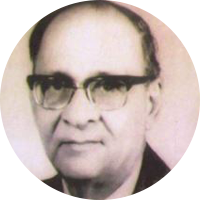
Urdu is, in the truest sense, a mixed language, as is evident from one of its historical names, Rekhta. While most of the world's languages could be considered mixed due to the presence of loanwords, a language is only termed a mixed or blended language in linguistic terminology when foreign influences penetrate its foundation so deeply that its very structure is transformed. In this regard, the only true parallel to Urdu is Persian, where the embroidery of Semitic Arabic upon an Indo-Iranian foundation gave birth to Classical Persian. Urdu came into existence in the thirteenth century CE when this same linguistic process, mediated by Persian, was extended to an Indo-Aryan dialect of India—what Amir Khusrau called the language of Delhi and its environs. Other examples of this linguistic process include Kashmiri, Sindhi, and Western Punjabi, but unlike the language of Delhi, these never achieved an all-India status.
The starting point of Urdu is the arrival of Muslims in Delhi in 1193. Its first recognized poet is Amir Khusrau Dehlavi. Although much of the Hindavi poetry attributed to him may lack definitive authentication, his status as a Hindavi poet is undisputed. In Khusrau’s masnavi Nuh Sipihr, we find the first-ever list of India's prominent languages. They are twelve in number: Sindhi, Lahori (Punjabi), Kashmiri, Dogri, Kannada (Dhur Samandari), Telugu (Telangi), Gujarati (Gujar), Tamil (Ma'bari), Western Bengali (Gauri), Eastern Bengali (Bengal), Awadhi (Awadh), and finally, the language of Delhi and its environs (meaning the dialects of Delhi and its vicinity).
In hama Hindawi-st ki zi ayyam-i kuhan
[All these are Hindavi, which from ancient times]
These possess a mustalah-i-khasa (meaning they have their own distinct characteristics). In addition to these, there is another language, revered by the Brahmins, which is named Sanskrit from ancient times. Regarding this language, Khusrau writes:
Amma nadarad khabar az kun-makun-ash
[The common people are unaware of its intricacies.]
Alongside the language of Delhi, Khusrau also mentions its piraman-ash (environs). These environs encompassed the languages of the Jats and the Gujjars. Khari Boli and Haryanvi are attributed to the Jats, while Braj Bhasha is associated with the Gujjars. Praising the feminine beauty of these women, Khusrau eloquently writes:
Gujri ki tu dar husn o latafat chu mahi
[O Gujri, in beauty and grace you are like the moon]
Har gah bigoyi ki dahi leho dahi
[Whenever you call out, Take curd, take curd!]
The languages of the Jats—Khari Boli and Haryanvi—are A-based dialects, meaning their nouns, adjectives, and verbs generally end with the aa sound. Braj Bhasha, on the other hand, can be classified as an O-based dialect, where nouns, adjectives, and verbs typically end with the o sound. This is why Chandradhar Sharma Guleri, the author of Purani Hindi, contrasted it with Khari (standing) Boli by calling it Pari Boli (fallen or flat dialect).
This amalgamation of the dialects of Delhi and its environs continued to evolve in its nascent form within the bazaars, fortresses, and Sufi hospices of Old Delhi for nearly a century. Then, in the first quarter of the fourteenth century, it reached the Deccan via Gujarat, carried by the military conquests of the Khaljis and Tughlaqs. In Gujarat, it acquired the local name Gujri, which is likely an Indianized form of Guzri. While Guzri refers to a market, the language's broader name remained Hindi or Hindavi. In the Deccan during the seventeenth century CE, it came to be known locally as Dukhni or Dakhni. However, Mulla Wajhi’s use of the term Zaban-i-Hindustan (the language of Hindustan) and the historian Firishta’s use of Hindustani clearly indicate its North Indian origins. It flourished in the Deccan following the establishment of the Bahmani Sultanate, a region where Marathi, Kannada, and Telugu were already prevalent. The first belongs to the Indo-Aryan language family, while the latter two are Dravidian languages. Because Marathi was a cognate Indo-Aryan language, there was a greater degree of linguistic exchange with it. However, researchers who emphatically highlight Marathi's influence on Dakhni often forget that most of the words they attribute to Marathi are still used today in the dialects surrounding Delhi, albeit with slight phonetic variations. In his work Dakhni Urdu, Dr. Abdus Sattar Dalvi provides a list of several hundred such words, eighty percent of which can be easily identified in the Hindavi of the North... Aside from Marathi, certain Deccan scholars, such as Dr. Mohiuddin Qadri Zore, have also noted the influence of Telugu and Kannada. This influence, however, is generally limited to a few words and idioms, and is confined to the spoken rather than the written language... There is no significant difference between Gujri and Dakhni. This is evidenced by Ahmad Gujarati’s masnavi Yusuf Zulaikha, which he composed after traveling from Gujarat to Golconda at the invitation of its ruler, Muhammad Quli Qutb Shah... These linguistic evidences support my view that, from a literary standpoint, a single idiom prevailed from Gujarat to Bijapur and Golconda—an idiom we can identify as the fourteenth-century language of Delhi. Because multiple dialects from the environs of Delhi had migrated to the Deccan, a linguistic interplay continued among them for some time. Eventually, in the hands of literary masters like Wajhi, Nusrati, and Ghawwasi, the language was standardized.
Following the fall of Bijapur and Golconda in 1686 and 1687 CE, Aurangabad once again became the regional capital of the Delhi Empire. In 1682, Aurangzeb had abandoned his residence at the Red Fort in Delhi to settle permanently in Aurangabad in the Deccan. All the doors between the North and the South were thrown open once again, and Aurangabad began to feel like a mere neighborhood of Shahjahanabad (Delhi). It was in this environment that Wali emerged from the soil of the Deccan. He arrived in Delhi in 1700, and upon the advice of Shah Gulshan, sought to align Rekhta in accordance with the idiom of Shahjahanabad. Within a mere fifty years, an entire generation of Rekhta poets sprang up in Delhi... Mirza Mazhar Jan-e-Janan and Hatim took up the mantle of linguistic reform. Under the guise of discarding obsolete words (matrukat) and claiming the authority of the Mirzayan-i-Delhi (the noblemen of Delhi), they struck out countless Hindi words. Feeling a sense of embarrassment over his earlier work, Hatim extracted a Diwan Zada (Offspring of a Diwan) from his voluminous poetry collection in 1755. Subsequently, through his panegyrics (qasidas), Sauda opened the floodgates of Persian vocabulary into the language.
(Excerpted from Urdu Zaban: Tarikh, Tashkil, Taqdir, Professor Emeritus Lecture, Aligarh: Department of Linguistics, Aligarh Muslim University, 1988, p. 59)
Urdu is, in the truest sense, a mixed language, as is evident from one of its historical names, Rekhta. While most of the world's languages could be considered mixed due to the presence of loanwords, a language is only termed a mixed or blended language in linguistic terminology when foreign influences penetrate its foundation so deeply that its very structure is transformed. In this regard, the only true parallel to Urdu is Persian, where the embroidery of Semitic Arabic upon an Indo-Iranian foundation gave birth to Classical Persian. Urdu came into existence in the thirteenth century CE when this same linguistic process, mediated by Persian, was extended to an Indo-Aryan dialect of India—what Amir Khusrau called the language of Delhi and its environs. Other examples of this linguistic process include Kashmiri, Sindhi, and Western Punjabi, but unlike the language of Delhi, these never achieved an all-India status.
The starting point of Urdu is the arrival of Muslims in Delhi in 1193. Its first recognized poet is Amir Khusrau Dehlavi. Although much of the Hindavi poetry attributed to him may lack definitive authentication, his status as a Hindavi poet is undisputed. In Khusrau’s masnavi Nuh Sipihr, we find the first-ever list of India's prominent languages. They are twelve in number: Sindhi, Lahori (Punjabi), Kashmiri, Dogri, Kannada (Dhur Samandari), Telugu (Telangi), Gujarati (Gujar), Tamil (Ma'bari), Western Bengali (Gauri), Eastern Bengali (Bengal), Awadhi (Awadh), and finally, the language of Delhi and its environs (meaning the dialects of Delhi and its vicinity).
In hama Hindawi-st ki zi ayyam-i kuhan
[All these are Hindavi, which from ancient times]
These possess a mustalah-i-khasa (meaning they have their own distinct characteristics). In addition to these, there is another language, revered by the Brahmins, which is named Sanskrit from ancient times. Regarding this language, Khusrau writes:
Amma nadarad khabar az kun-makun-ash
[The common people are unaware of its intricacies.]
Alongside the language of Delhi, Khusrau also mentions its piraman-ash (environs). These environs encompassed the languages of the Jats and the Gujjars. Khari Boli and Haryanvi are attributed to the Jats, while Braj Bhasha is associated with the Gujjars. Praising the feminine beauty of these women, Khusrau eloquently writes:
Gujri ki tu dar husn o latafat chu mahi
[O Gujri, in beauty and grace you are like the moon]
Har gah bigoyi ki dahi leho dahi
[Whenever you call out, Take curd, take curd!]
The languages of the Jats—Khari Boli and Haryanvi—are A-based dialects, meaning their nouns, adjectives, and verbs generally end with the aa sound. Braj Bhasha, on the other hand, can be classified as an O-based dialect, where nouns, adjectives, and verbs typically end with the o sound. This is why Chandradhar Sharma Guleri, the author of Purani Hindi, contrasted it with Khari (standing) Boli by calling it Pari Boli (fallen or flat dialect).
This amalgamation of the dialects of Delhi and its environs continued to evolve in its nascent form within the bazaars, fortresses, and Sufi hospices of Old Delhi for nearly a century. Then, in the first quarter of the fourteenth century, it reached the Deccan via Gujarat, carried by the military conquests of the Khaljis and Tughlaqs. In Gujarat, it acquired the local name Gujri, which is likely an Indianized form of Guzri. While Guzri refers to a market, the language's broader name remained Hindi or Hindavi. In the Deccan during the seventeenth century CE, it came to be known locally as Dukhni or Dakhni. However, Mulla Wajhi’s use of the term Zaban-i-Hindustan (the language of Hindustan) and the historian Firishta’s use of Hindustani clearly indicate its North Indian origins. It flourished in the Deccan following the establishment of the Bahmani Sultanate, a region where Marathi, Kannada, and Telugu were already prevalent. The first belongs to the Indo-Aryan language family, while the latter two are Dravidian languages. Because Marathi was a cognate Indo-Aryan language, there was a greater degree of linguistic exchange with it. However, researchers who emphatically highlight Marathi's influence on Dakhni often forget that most of the words they attribute to Marathi are still used today in the dialects surrounding Delhi, albeit with slight phonetic variations. In his work Dakhni Urdu, Dr. Abdus Sattar Dalvi provides a list of several hundred such words, eighty percent of which can be easily identified in the Hindavi of the North... Aside from Marathi, certain Deccan scholars, such as Dr. Mohiuddin Qadri Zore, have also noted the influence of Telugu and Kannada. This influence, however, is generally limited to a few words and idioms, and is confined to the spoken rather than the written language... There is no significant difference between Gujri and Dakhni. This is evidenced by Ahmad Gujarati’s masnavi Yusuf Zulaikha, which he composed after traveling from Gujarat to Golconda at the invitation of its ruler, Muhammad Quli Qutb Shah... These linguistic evidences support my view that, from a literary standpoint, a single idiom prevailed from Gujarat to Bijapur and Golconda—an idiom we can identify as the fourteenth-century language of Delhi. Because multiple dialects from the environs of Delhi had migrated to the Deccan, a linguistic interplay continued among them for some time. Eventually, in the hands of literary masters like Wajhi, Nusrati, and Ghawwasi, the language was standardized.
Following the fall of Bijapur and Golconda in 1686 and 1687 CE, Aurangabad once again became the regional capital of the Delhi Empire. In 1682, Aurangzeb had abandoned his residence at the Red Fort in Delhi to settle permanently in Aurangabad in the Deccan. All the doors between the North and the South were thrown open once again, and Aurangabad began to feel like a mere neighborhood of Shahjahanabad (Delhi). It was in this environment that Wali emerged from the soil of the Deccan. He arrived in Delhi in 1700, and upon the advice of Shah Gulshan, sought to align Rekhta in accordance with the idiom of Shahjahanabad. Within a mere fifty years, an entire generation of Rekhta poets sprang up in Delhi... Mirza Mazhar Jan-e-Janan and Hatim took up the mantle of linguistic reform. Under the guise of discarding obsolete words (matrukat) and claiming the authority of the Mirzayan-i-Delhi (the noblemen of Delhi), they struck out countless Hindi words. Feeling a sense of embarrassment over his earlier work, Hatim extracted a Diwan Zada (Offspring of a Diwan) from his voluminous poetry collection in 1755. Subsequently, through his panegyrics (qasidas), Sauda opened the floodgates of Persian vocabulary into the language.
(Excerpted from Urdu Zaban: Tarikh, Tashkil, Taqdir, Professor Emeritus Lecture, Aligarh: Department of Linguistics, Aligarh Muslim University, 1988, p. 59)
Additional information available
Click on the INTERESTING button to view additional information associated with this sher.
About this sher
rare Unpublished content
This ghazal contains ashaar not published in the public domain. These are marked by a red line on the left.