 For any query/comment related to this ebook, please contact us at haidar.ali@rekhta.org
About The Author
Identity: Historian, biographer, and translator
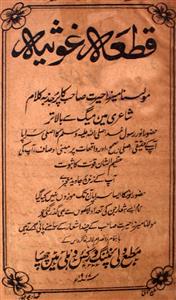
Mirza Hairat Dehlvi was born on 1 January 1868. He is known as a unique and somewhat controversial figure in Urdu literature, with a strong interest in history, biography, and narrative writing.
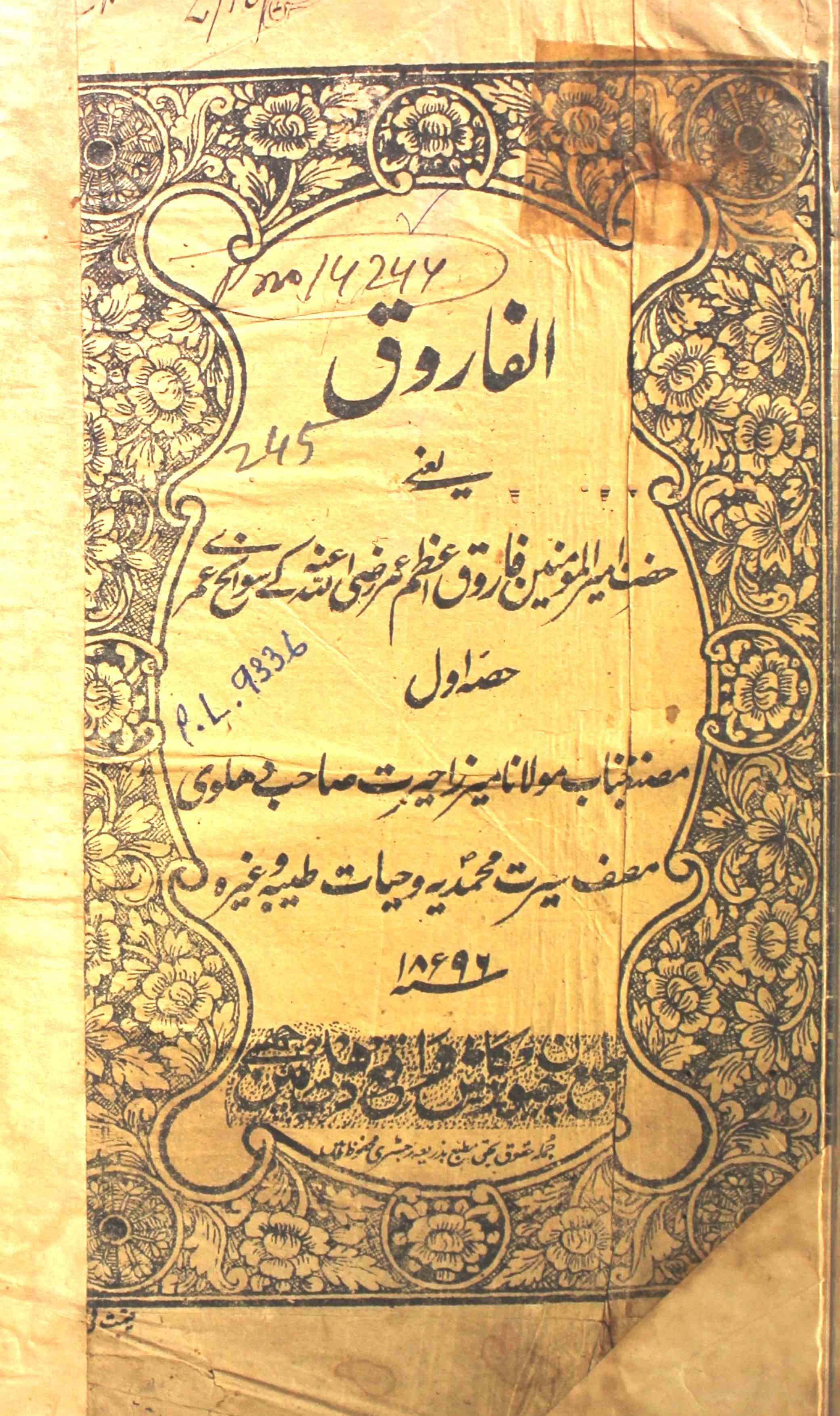
Most of his works focus on biographies, history, and religious events. He wrote three important books on the life of the Prophet, including “Seerat-ur-Rasool”, a major work in six volumes. He also wrote several biographies of companions, religious figures, and other personalities.
Along with original writings, he also did many translations. He translated the Quran into Urdu and English, and also translated major Hadith collections like Bukhari, Mishkat, and Darimi. He also wrote a book on the science of narrators (Asma al-Rijal).
One of his important works is “Hayat-e-Tayyiba,” a well-known biography of Maulana Ismail Dehlvi.
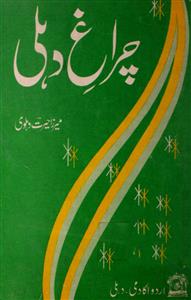
Another notable book is “Chiragh-e-Delhi,” which discusses Urdu literature and the historical monuments of Delhi. It was published in 1903 from Curzon Gazette Press.
His most controversial work was “Kitab-e-Shahadat,” which was published in parts in his weekly newspaper Curzon Gazette. In this book, he attempted to deny the event of Karbala, which caused strong public reaction.
When the book started appearing in volumes and five parts were published, public anger reached its peak. During the printing of the sixth volume, people burned both the available copies and the printing press.
His personality was complex and unpredictable. On one hand, he wrote serious scholarly works, while on the other, he presented unusual and controversial ideas.
Interestingly, at the same time he was writing against Karbala, he used to give emotional Friday speeches about the martyrdom of Imam Hussain that made people cry.
According to his contemporary writer Mulla Wahidi, he had great talent, but his inconsistent nature led him into controversy.
Death: He passed away in 1928 in Delhi.
For any query/comment related to this ebook, please contact us at haidar.ali@rekhta.org