Font by Mehr Nastaliq Web

aaj ik aur baras biit gayā us ke baġhair

jis ke hote hue hote the zamāne mere

CANCEL DOWNLOAD SHER

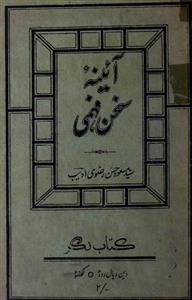
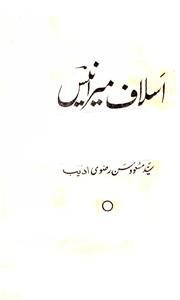
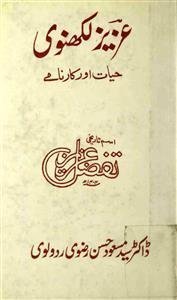
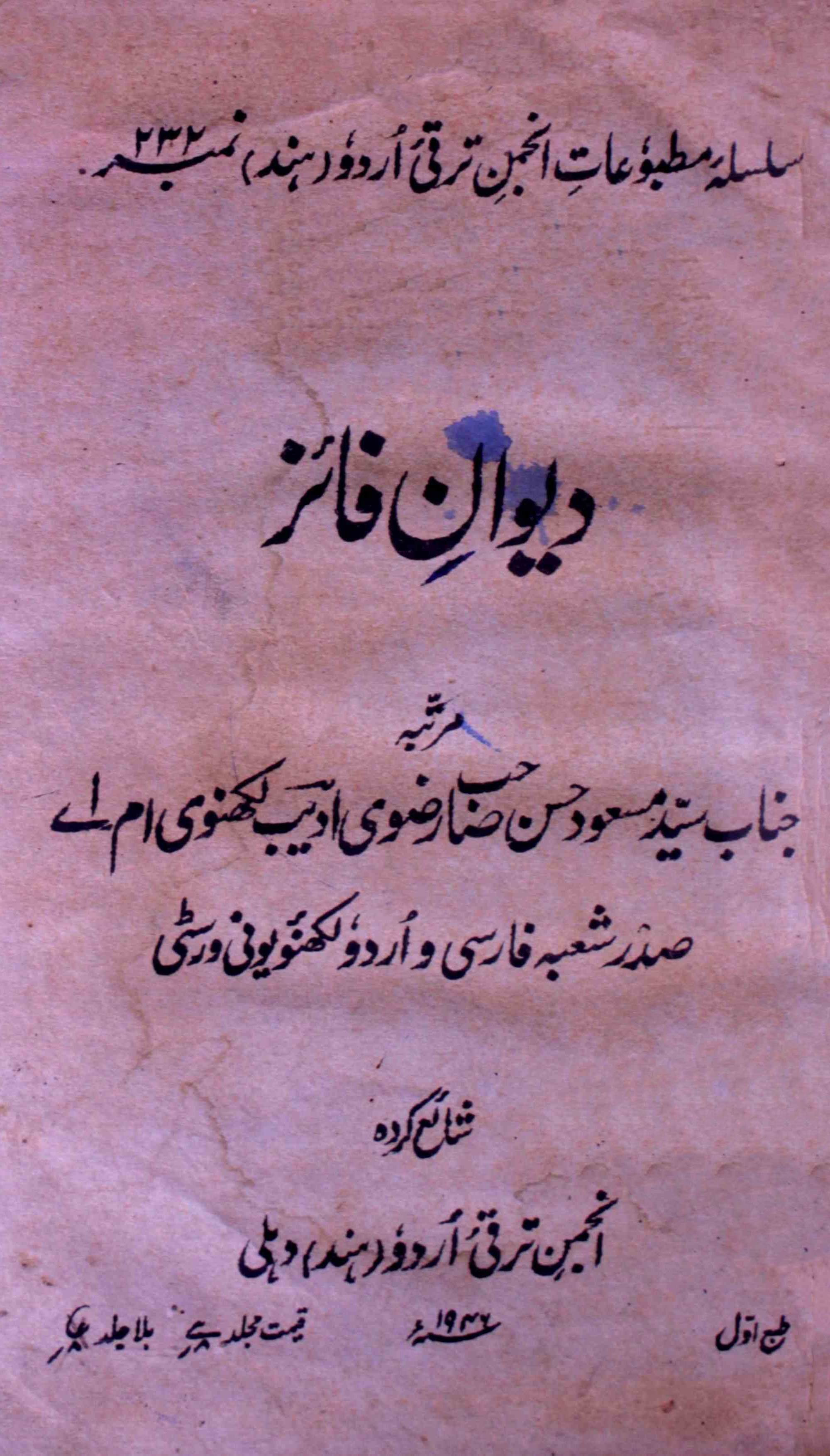
Author : Syed Masood Hasan Rizvi Adeeb

Edition Number : 003

Publisher : Duniya Publications, Delhi

Year of Publication : 2005

Language : Urdu

Categories : Research & Criticism

Pages : 66

Contributor : Bazm-e-Sadaf International

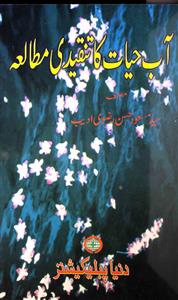
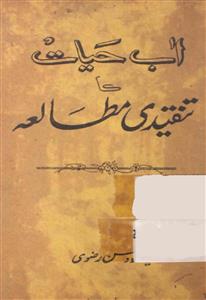
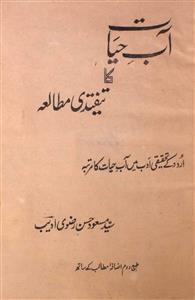
Aab-e-Hayat Ka Tanqeedi Mutala
For any query/comment related to this ebook, please contact us at haidar.ali@rekhta.org
About The Book

اس مختصر رسالے میں "آب حیات" کی معنوی حیثیت کے متعلق حقائق پیش کئے گئے ہیں، اور اردو کے تحقیقی ادب میں آب حیات کے مرتبہ کو متعین کرنے کی کوشش کی گئی ہے۔ نیز اس کی لفظی ، ادبی ، انشائی حیثیت کوبھی اجاگر کیا گیا ہے۔ اس کتاب میں ولی ، مرزا مظہر ، میر، وغیرہ کے بھی کچھ نامعلوم گوشوں کے بارے میں لکھا گیا ہے اور ان شعراء کا تقابلی جائزہ پیش کیا گیا ہے ۔ بقول سید مسعود حسن رضوی " آب حیات" بزرگوں کے معلومات کو یکجا کرکے ایک جگہ لکھ دیا گیا تاکہ انہیں حیات جاوداں حاصل ہو" مصنف کو اس مقصد میں کامیابی حاصل ہوئی اور بزرگوں کے ساتھ خود مصنف بھی حیات جاودانی سے سرفراز ہوئے۔ ضمیمہ کے تحت "ناسخؔ کے بارے میں آزاد کے بعض بیانوں کی تصدیق " میں بڑی دلچسپ باتیں کی گئیں ہیں اور آخر میں کتابت کی کچھ بڑی غلطیوں کی طرف اشارہ بھی کیا گیا ہے۔

.....Read more

About The Author

Identity: Eminent Critic, Researcher, Linguist, and a Distinguished Thinker of Urdu Literature

Masood Hasan Rizvi Adeeb is counted among the prominent scholars of Urdu literature who made significant contributions in the fields of criticism, research, linguistics, and editing. He holds a distinguished and authoritative place in the history of Urdu criticism, particularly for his celebrated work “Hamari Sha‘iri.” His writings are marked by intellectual depth, strong reasoning, and a balanced perspective.

He was born on 29 July 1893 in Bahraich (Uttar Pradesh). He belonged to a family with a strong scholarly and medical background. His father, Hakim Syed Murtaza Husain, was a renowned physician and learned man. He received his early education under his father’s guidance, but his father’s untimely death in his childhood changed the course of his life. He himself noted that had this not happened, he would have become a scholar of Arabic; however, circumstances led him towards Urdu literature.

He completed his middle education from Unnao and passed his high school in first division from Husainabad School, Lucknow. He then completed his Intermediate and B.A. from King College, Lucknow. In 1925, he earned his M.A. in Persian with distinction. He began his professional career in a government high school, but soon joined the Urdu Department at Lucknow University. In 1930, he became the Head of the Department of Urdu and Persian, and in 1953 he was appointed Professor. After his retirement in 1954, he served as a Research Professor under the UGC.

His literary interest developed during his student life, and he came into contact with eminent figures such as Mirza Mohammad Hadi Ruswa, Arzoo Lakhnavi, and Chakbast. He also engaged in translation work early on and translated a play published as “Imtihan-e-Wafa.”

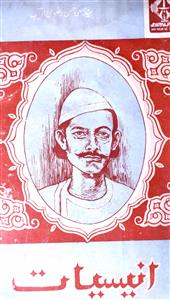
As a literary figure, he was truly multidimensional—a critic, researcher, linguist, and translator. His major works include Hamari Sha‘iri, Rooh-e-Anees, Urdu Drama aur Stage, Dastan-e-Urdu, Farhang-e-Amsaal, Aaina-e-Zaban, Urdu Zaban aur Uska Rasm-ul-Khat, Lucknow ka Shahi Stage, Lucknow ka Awami Stage, Tanqeed-e-Kalam-e-Ghalib, Aneesiyat, Gulshan-e-Sukhan, among others.

His book “Hamari Sha‘iri” is considered a landmark in Urdu criticism. It was written as a complement to certain aspects of Hali’s “Muqaddama-e-Sher-o-Shayari,” presenting the aesthetic dimensions of Urdu poetry. He clarified that his aim was not to oppose Hali, but to present the other side of the picture.

His contributions to research are equally significant. He worked extensively on Lucknow theatre, marsiya tradition, Ghalib studies, and classical Urdu literature. According to Gopi Chand Narang, he removed many long-standing misconceptions about Urdu poetry, and his work serves as a guiding light in literary research.

Death: He passed away on 29 November 1975 in Lucknow.

.....Read more
For any query/comment related to this ebook, please contact us at haidar.ali@rekhta.org
More From Author

Read the author's other books here.

See More

Popular And Trending Read

Find out most popular and trending Urdu books right here.

See More
Speak Now