 For any query/comment related to this ebook, please contact us at haidar.ali@rekhta.org
About The Author
Identity: Journalist, Author, Critic, and Researcher of Urdu Journalism
Suhail Anjum was born on July 1, 1958, into a scholarly and literary family in the Basti district (present-day Sant Kabir Nagar) of Uttar Pradesh. His father, Maulana Hamid Al-Ansari Anjum, was a highly revered religious scholar, an eloquent orator, a poet, and a journalist of his era. Suhail Anjum received his foundational education in Urdu and Persian at home. He completed his intermediate education from Marwar Inter College, Gorakhpur, in 1976, earned his B.A. from Ratan Sen Degree College, Bansi, in 1979, and obtained his M.A. in Urdu from Aligarh Muslim University (AMU) in 1981. He currently resides in Delhi with his family.
He launched his professional journalistic career in 1985 by working for the Mumbai-based Urdu weekly 'Blitz' and Delhi's weekly 'Akhbar-e-Nau.' In February 1987, he permanently moved to Delhi and served in various capacities such as Assistant Editor, Editor-in-Charge, and Special Correspondent for prominent publications including 'Hamara Qadam,' 'Jareeda Times,' 'Nayi Dunya,' and 'International Milli Times.' In 1995, he joined the prestigious daily 'Daily Qaumi Awaz,' Delhi, as a Sub-Editor and remained associated with it until its closure in 2008. Concurrently, he did part-time reporting for the Jeddah-based daily 'Urdu News' (Saudi Arabia). Since 2002, he has been continuously working as a Delhi correspondent for the Urdu Service of the 'Voice of America' (Washington). Additionally, since 1995, he has been regularly contributing current affairs commentaries for the External Services Division of All India Radio.
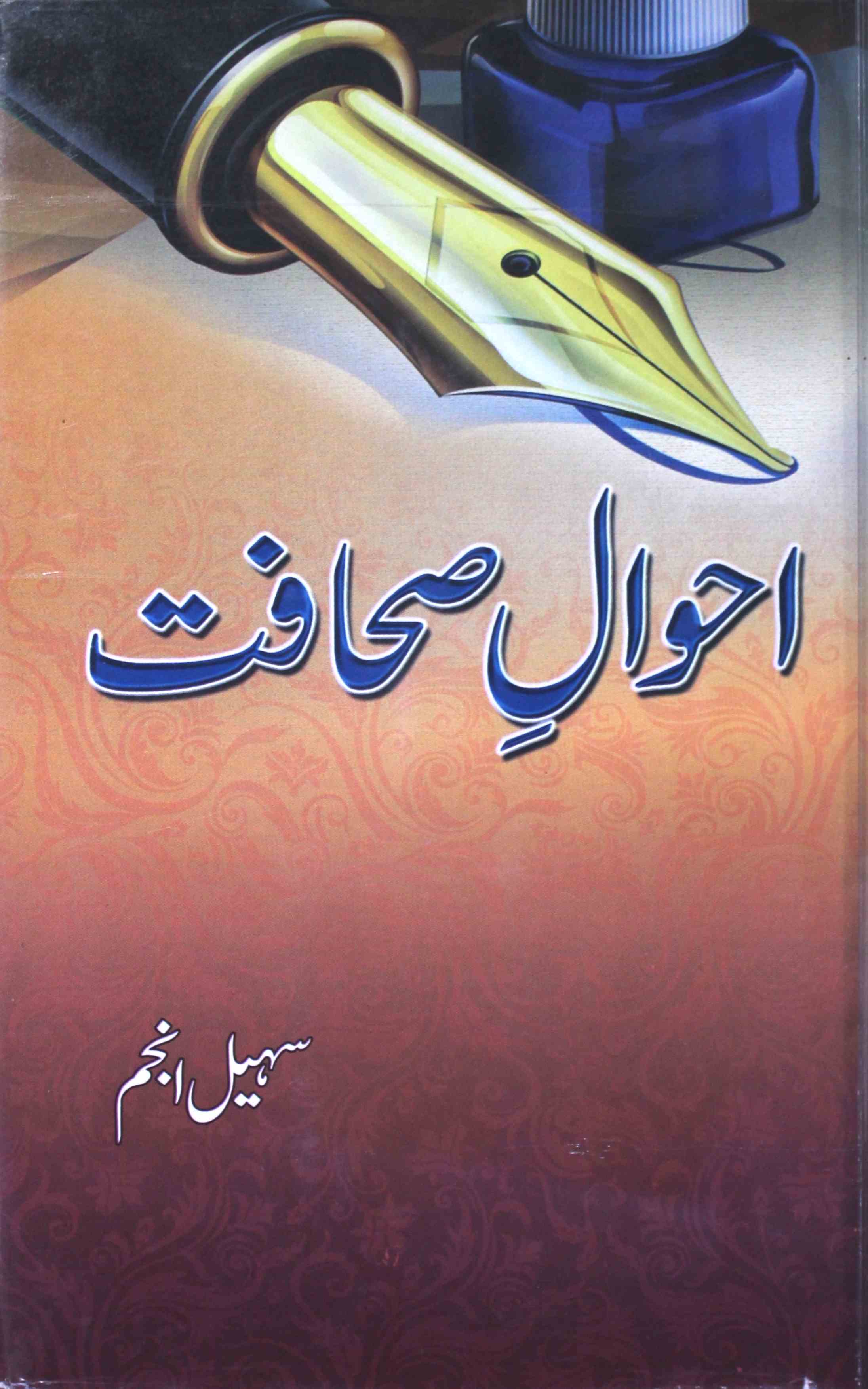
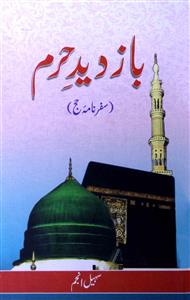
Suhail Anjum is the author and editor of numerous books. His notable works include "Media Roop Aur Behroop," "Media Urdu Aur Jadeed Rujhanat," "Ahwal-e-Sahafat," "Maghribi Media Aur Islam," "Delhi Ke Mumtaz Sahafi," "Phir Sue Haram Le Chal" (a travelogue), "Bazyaft" (critical essays), "Mutala'at," and collections of sketches titled "Naqsh Bar Aab" and "Naqsh Bar Sang."
For any query/comment related to this ebook, please contact us at haidar.ali@rekhta.org