Font by Mehr Nastaliq Web

aaj ik aur baras biit gayā us ke baġhair

jis ke hote hue hote the zamāne mere

CANCEL DOWNLOAD SHER

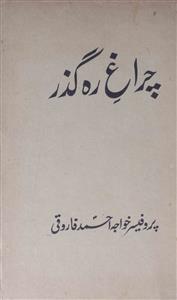
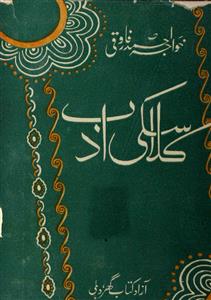
Author : Khwaja Ahmad Faruqi

Edition Number : 001

Publisher : Anjuman Taraqqi Urdu (Hind), Delhi

Year of Publication : 2015

Language : Urdu

Categories : Biography, Research & Criticism

Pages : 520

ISBN No./ISSN NO : 81-7160-171-5

Contributor : Dr. Farhat Fatima

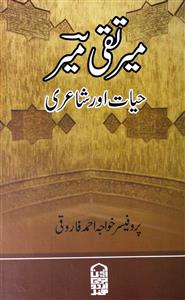
Meer Taqi Meer
For any query/comment related to this ebook, please contact us at haidar.ali@rekhta.org
About The Book

اردو زبان و ادب میں خدائے سخن میر تقی میر محتاج تعارف نہیں۔ان كی استادی كا اعتراف غالب ،ناسخ اور ذوق جیسے قادرالكلام شعرا نے كیا ہے۔جس سے ان كی شاعرانہ حیثیت اور ان كے ادبی مرتبہ كا بخوبی اندازہ ہوجاتاہے۔زیر نظر كتاب میركی حیات و شاعری كا مكمل احاطہ كرتی ہے۔اس كا مطالعہ قاری كو میر كے حالات زندگی،شاعری كی ابتدا، شاعرانہ خصوصیات اور وفات كی تفصیل سے روشناس كراتی ہے۔میر كی زندگی مسلسل تكالیف اور پریشانیوں سے گھری رہی۔اسی لیے ان كی شاعری میں بھی حزن وملال كی كیفیت نمایاں ہے۔انھیں اہل ادب "آہ كےشاعر"كے طور پر یاد كرتے ہیں۔ان كے کلام میں جو درد ہے وہ ان كی حقیقی زندگی كا عكس ہے۔میر نے جس دور میں آنكھ كھولی اس زمانے میں ہندوستان شورشوں و فتنوں كے دور سے گذررہاتھا۔جہاں ایك طرف مغلیہ سلطنت كا خاتمہ ہورہا تھا،وہیں دوسری طرف انگریزوں كی حكومت چاروں طرف پاوں پسار رہی تھی۔در اصل میر كی شاعری ان كی ذاتی درد وغم كے ساتھ ساتھ ملك كی بدلتی معاشی،اقتصادی اور سیاسی تبدیلیوں كی بھی عكاس ہے۔ان كے كلام میں دل اور دلی كے اجڑنے كا كرب بھی صاف نظر آتا ہے۔میر كواردو میں غزل كا سب سے بڑا شاعر تصور كیا جاتا ہے۔منفرد ،دلكش انداز بیاں،سہل ممتنع ان كے كلام كی اہم خصوصیات ہیں۔انھیں تشبیہات اور استعارات كے استعمال پر جو عبور حاصل تھا اس میں وہ اپنی مثال آپ ہیں۔انھوں نے ہر صنف سخن میں طبع آزمائی كی ہے۔لیكن بنیادی طور پر وہ غزل كے شاعر ہیں۔تغزل كو جس كامیابی اور دلكشی اسلوب میں میر نے پیش كیا وہ ان ہی كا خاصہ ہے۔

.....Read more

About The Author

Identity: Researcher, Critic, Teacher, and a distinguished scholar of Classical Urdu literature and manuscripts

Khwaja Ahmad Farooqi was born on 30 October 1917 in Bachhraon, district Moradabad (Uttar Pradesh). His lineage traces back to Hazrat Shah Abdul Ghafoor Azampuri, who was among the disciples of Hazrat Abdul Quddus Gangohi and a contemporary of Emperor Babur. This spiritual and scholarly family tradition played an important role in shaping his personality and intellectual outlook. His father, Maulvi Hasan Ahmad, served as a Sar-rishtadar (senior record officer) in Hardoi, and the family was known for its dignity and social standing.

Khwaja Ahmad Farooqi received his early education at home and at Madrasa Abbasia in Bachhraon. In 1927, he was admitted to the Government High School, Hardoi. Later, he completed his Intermediate and Bachelor’s degree from Meerut College, where he studied English literature, European history, Mughal history, and Persian literature. After his BA, he passed the MA First Year examination in English literature, and subsequently obtained MA degrees in Persian literature and Urdu (Arabic literature).

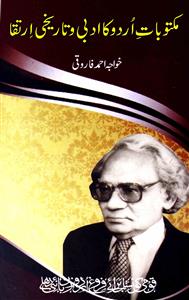
In 1953, he earned his PhD from the University of Delhi under the supervision of Dr Syed Abid Husain on the topic “The Historical and Literary Development of Urdu Letters (Maktubat)”.

Khwaja Ahmad Farooqi’s scholarly identity is closely associated with classical Urdu literature. His most well-known book, Mir Taqi Mir: Life and Poetry, is considered an important and much-debated work in the field of Mir studies. Although critics such as Qazi Abdul Wadud pointed out certain errors, the book’s critical discussions continue to hold significance.

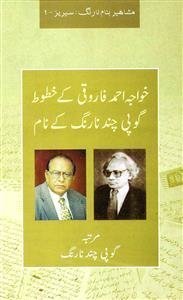
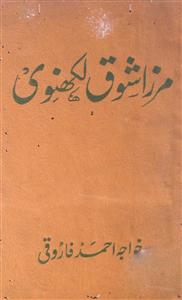
His other important works include Classical Literature, Zauq-e-Justuju, Mirza Shauq Lucknawi, Maktubat-e-Urdu: A Historical and Literary Study, A Review of Epistolary Literature, Modern Poetry, Wahhabi Literature in Urdu, Yaad-e-Yaar-e-Meherban, Yaadnama, Stories of the Revolt of 1857, and Umr-e-Rayegan (autobiography).

In addition, he edited and compiled several rare classical texts and manuscripts, including Karbal Katha, Diwan-e-Mirsauz, Diwan-e-Qaim, unpublished Persian letters of Mirza Ghalib, Ghadar: Diary of the War of Independence, and Qanoon-un-Nisa.

Khwaja Ahmad Farooqi held a central position in the academic development of the Department of Urdu at the University of Delhi and made lasting contributions to Urdu research and teaching.

He passed away on 31 December 1995 in Delhi.

.....Read more
For any query/comment related to this ebook, please contact us at haidar.ali@rekhta.org
More From Author

Read the author's other books here.

See More

Popular And Trending Read

Find out most popular and trending Urdu books right here.

See More
Speak Now