aaj ik aur baras biit gayā us ke baġhair
jis ke hote hue hote the zamāne mere
Identity: Researcher, Critic, Teacher, and a distinguished scholar of Classical Urdu literature and manuscripts
Khwaja Ahmad Farooqi was born on 30 October 1917 in Bachhraon, district Moradabad (Uttar Pradesh). His lineage traces back to Hazrat Shah Abdul Ghafoor Azampuri, who was among the disciples of Hazrat Abdul Quddus Gangohi and a contemporary of Emperor Babur. This spiritual and scholarly family tradition played an important role in shaping his personality and intellectual outlook. His father, Maulvi Hasan Ahmad, served as a Sar-rishtadar (senior record officer) in Hardoi, and the family was known for its dignity and social standing.
Khwaja Ahmad Farooqi received his early education at home and at Madrasa Abbasia in Bachhraon. In 1927, he was admitted to the Government High School, Hardoi. Later, he completed his Intermediate and Bachelor’s degree from Meerut College, where he studied English literature, European history, Mughal history, and Persian literature. After his BA, he passed the MA First Year examination in English literature, and subsequently obtained MA degrees in Persian literature and Urdu (Arabic literature).
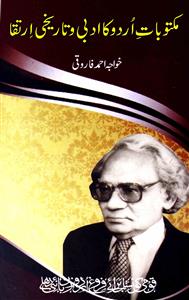
In 1953, he earned his PhD from the University of Delhi under the supervision of Dr Syed Abid Husain on the topic “The Historical and Literary Development of Urdu Letters (Maktubat)”.
Khwaja Ahmad Farooqi’s scholarly identity is closely associated with classical Urdu literature. His most well-known book, Mir Taqi Mir: Life and Poetry, is considered an important and much-debated work in the field of Mir studies. Although critics such as Qazi Abdul Wadud pointed out certain errors, the book’s critical discussions continue to hold significance.
His other important works include Classical Literature, Zauq-e-Justuju, Mirza Shauq Lucknawi, Maktubat-e-Urdu: A Historical and Literary Study, A Review of Epistolary Literature, Modern Poetry, Wahhabi Literature in Urdu, Yaad-e-Yaar-e-Meherban, Yaadnama, Stories of the Revolt of 1857, and Umr-e-Rayegan (autobiography).
In addition, he edited and compiled several rare classical texts and manuscripts, including Karbal Katha, Diwan-e-Mirsauz, Diwan-e-Qaim, unpublished Persian letters of Mirza Ghalib, Ghadar: Diary of the War of Independence, and Qanoon-un-Nisa.
Khwaja Ahmad Farooqi held a central position in the academic development of the Department of Urdu at the University of Delhi and made lasting contributions to Urdu research and teaching.
He passed away on 31 December 1995 in Delhi.