Qita
Literal meaning of Qata is ‘separated’. Qata stands for a series of couplets in a ghazal having continuity of thought. A ghazal having one or more Qatas is called Qata-Band ghazal. Qatas also have independent existence comprising at least four lines. In a Qata, the second and fourth lines follow the same rhyming scheme.
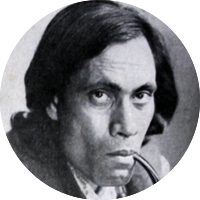

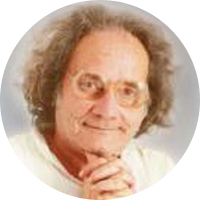
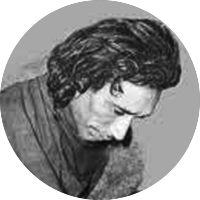
Known as a saint poet and the 'Poet of Pain', Saghar Siddiqui was a successful poet, writer, and editor in his early years. His life later took a tragic turn, leading to his untimely demise. He was posthumously honoured with the Hilal-e-Imtiaz.
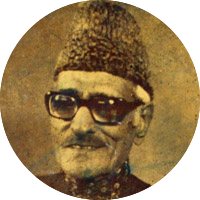
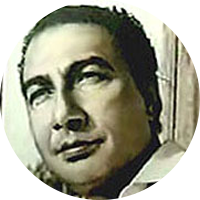
Leading progressive Indian poet and celebrated film lyricist. Popular for his writings against social injustice and backwardness in society.


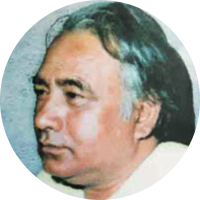
One of the most prominent modern Urdu critics, famous for his promotion of the anti-ghazal trend of poetry and anti-modernism views.
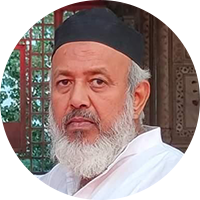
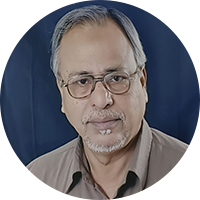
Renowned Urdu Ghazal poet, founder of 'Bazm-e-Tamir-e-Adab', honored with numerous literary awards.
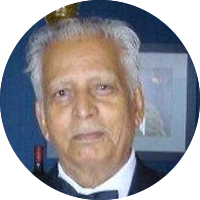

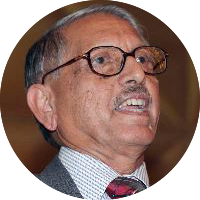
Renowned humorous poet and editor of a literary magazine, ‘Khushnuma,’ based on humour and satire.




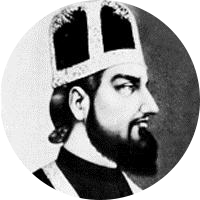
Poet laureate of the Mughal Court and mentor of Bahadur Shah Zafar. His 'poetic' rivalry with Ghalib is well known.
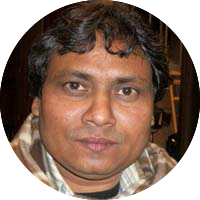
Primarily known as a film lyricist and scriptwriter, Shakeel Azmi is also a much-sought poet at Mushairas and Kavi-sammelans. He has written lyrics for several Bollywood films, including 'Woh Tera Naam Tha', 'Woh Lamhe', among others.


One of the famous young poets, known for reciting poetry in a unique style.
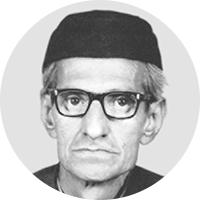
Poet, journalist, and lyricist, dialogue writer of films like "Ghulam Begam Badshah" and "Jhansi Ki Rani.".

Prominent post-modern poet. Professor at Jamia Millia Islamia University, Delhi

Celebrated poet, acclaimed for his priceless contributions to the realms of Persian and Punjabi literature, alongside his mastery of Urdu.
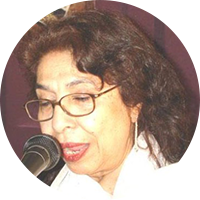
Renowned Urdu poet, short story and novel writer, biographer, and journalist
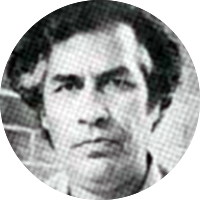


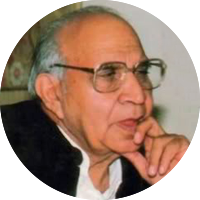
Pakistani poet famous for humorous poetry. Also wrote humorous columns in the newspapers and periodicals.