 For any query/comment related to this ebook, please contact us at haidar.ali@rekhta.org
About The Book
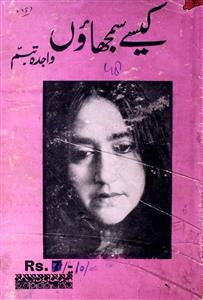
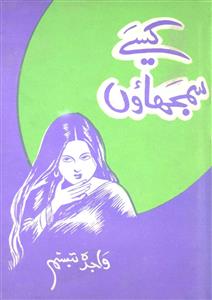
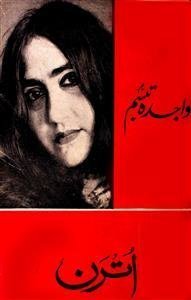
اردو افسانہ میں خواتین کی عمدہ اور مضبوط نمائندگی ملتی ہے ، ان کے موضوعات بھی دیگرکے موضوعات سے الگ ملتے ہیں ۔ اکثر خواتین افسانہ نگاروں نے اپنی منفر د اور بلند آواز کے ساتھ افسانوی دنیا میں قدم رکھا ہے ان میں سے ایک واجدہ تبسم ہیں ۔ افسانوی دنیا میں ان کی شنا خت دو بنیادی وجہوں سے ہوتی ہے ایک حیدرآبادی لہجہ اور دوسری خواتین کی نفسیاتی و سماجی زندگی کی عکاسی ہے ۔ اس کے ساتھ ہی جس طر ح جیلانی بانو نے حیدرآباد کے زوال آمادہ تہذیب کو موضوع بنایا ہے اسی طریقے سے واجدہ تبسم نے بھی اس اعلی اقدار والے معاشرہ کے زوال کو پیش کیا ہے ۔ اتر ن ان کا بہت ہی مشہور افسا نہ ہے جس کے متعلق فحش کا بھی الزام لگا ہے۔ جس کے بعد یہ بھی کہا جانے لگا تھا کہ اب اردو افسانہ مغربی افسانے سے آنکھ ملانے کے لائق ہوگیا ہے ۔ الغر ض ایک منفر د آواز رکھنے والی کہانی کار کی یہ کتاب ہے جس کے مطالعہ سے زوال پذیر حیدرآبادی معاشرہ اور آہستہ آہستہ معاشرہ کا مادی اعتبار سے درجہ بندی کی روداد نظر آتی ہے۔ اس افسانوی مجموعے میں چودہ افسانے ہیں جس میں سے اترن چھٹے نمبر میں ہے ۔ افسانوی دنیا سے محبت رکھنے والوں کے لیے ایک مفید کتاب ہے ۔
About The Author
Identity: A bold and fearless Urdu short story writer, novelist, and a perceptive chronicler of the declining feudal culture of Hyderabad Deccan.
Wajida Tabassum was born on 16 March 1935 in Amravati, Maharashtra. Having lost both her parents at an early age, she experienced the hardships of orphanhood, poverty, and deprivation from childhood.
In the aftermath of the communal riots and the Partition of India in 1947, her family migrated from Amravati to Hyderabad Deccan. These traumatic experiences and the upheaval of displacement played a crucial role in shaping her personality and literary vision.
She received her higher education in Urdu literature from Osmania University, Hyderabad. Her inclination toward creative writing emerged during her student years.
In 1960, she married her cousin Ashfaq Ahmad, who was employed with the Indian Railways. Following her marriage, she settled in Mumbai.
Her stories first appeared in the renowned literary magazine Biswin Sadi (Twentieth Century), and she soon became a prominent figure in Urdu literary circles.
Wajida Tabassum is regarded as one of the few Urdu fiction writers after Ismat Chughtai who established a truly distinctive literary style. Her language is marked by Deccani idioms, a feminine voice, satire, wit, and a rich cultural texture.
She focused on the declining aristocracy of Hyderabad, the extravagant lifestyles of nawabs, the lives of begums and maidservants, class divisions, economic hardships, women’s psychology, and sexual exploitation.
Following the tradition of Ismat Chughtai and Saadat Hasan Manto, she addressed taboo subjects and sexual realities with literary dignity and remarkable candor. Her bold treatment of such themes invited criticism and controversy, yet she never compromised her creative vision.
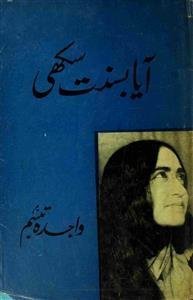
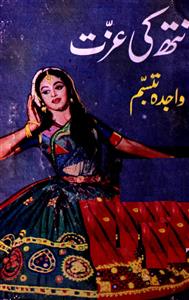
Her major short-story collections include Shahr-e-Mamnu (1960), her first and highly acclaimed collection, Tauba Tauba, Tehkhana, Aaya Basant Sakhi (1974), and Utran (1977). She also wrote novels such as Shole, Saatwan Phera, and Nath Ki Izzat.
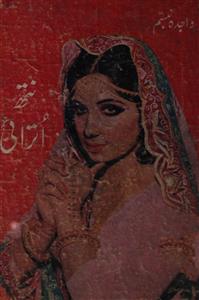
Her story Utran is considered one of the most celebrated works of Urdu fiction and was later adapted into a successful television serial and films.
Among her notable stories are Teen Janaze, Gulistan Se Qabristan Tak, Kale Badal, Suhagan, Nagin, Eidi, Aag Mein Phool, Zara hor Upar, Nath Ka Ghurur, Nath Ka Bojh, and Nath Utarwai.
In the later years of her life, she suffered from severe arthritis and gradually withdrew into seclusion. Nevertheless, her literary reputation and influence remained intact.
Her contribution to literature received international recognition, and some of her stories were included in the curricula of American universities, particularly the University of Chicago.
Death: Wajida Tabassum passed away on 7 December 2011 in Mumbai, India.
For any query/comment related to this ebook, please contact us at haidar.ali@rekhta.org