 For any query/comment related to this ebook, please contact us at haidar.ali@rekhta.org
About The Book
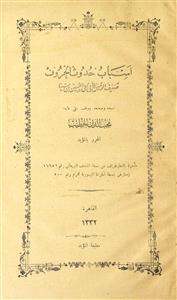
ابنِ سینا (الشیخ الرئیس) کی عربی رسالہ ’’اَسبابُ حُدوثِ الحروف‘‘ عربی زبان کے حروفِ گفتار کی تشکیل و صدور پر ایک اہم علمی تحقیق ہے، جو انہوں نے استاد ابومنصور محمد بن علی بن عمر الخیام کی درخواست پر تحریر کی۔ نام کی مشابہت کے باوجود یہ خیام مشہور شاعر عمر خیام نیشاپوری نہیں تھے۔ رسالہ چھ ابواب پر مشتمل ہے جن میں آواز کے پیدا ہونے کے اسباب، حروف کی تشکیل، حنجرہ و زبان کی تشریح، ہر حرفِ عربی کے صدور کے جزئی اسباب، غیر عربی حروف کی عربی سے مشابہت، اور وہ حروف جو بغیر حرکاتِ نطقیہ کے پیدا ہوتے ہیں (جیسے عین، حاء، خاء، قاف وغیرہ) تفصیل سے بیان کیے گئے ہیں۔ ابنِ سینا کے مطابق آواز ہوا کے تموّج سے اور حروف عضلات و ہوا کی خاص ترکیب سے وجود میں آتے ہیں، اور انہوں نے اس میں بعض ایسے اصطلاحات استعمال کی ہیں جو ان کی دیگر تصانیف میں کم نظر آتی ہیں، جس سے معلوم ہوتا ہے کہ وہ ہندی ماخذات سے بھی واقف تھے۔
About The Author
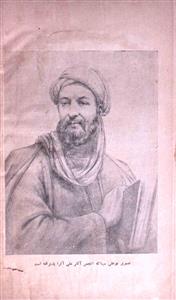
Abu ʿAlī al-Ḥusayn ibn ʿAbd Allāh ibn Sīnā — known in the West as Avicenna and honored with the title “al-Shaykh al-Raʾīs” (the Master and Leader) — stands among the greatest thinkers of Islam and one of the most influential philosophers and physicians of the medieval world. A true polymath, Ibn Sīnā is believed to have written about 450 works, of which approximately 240 have survived. Among these, nearly 150 treat philosophy and about 40 focus on medicine.
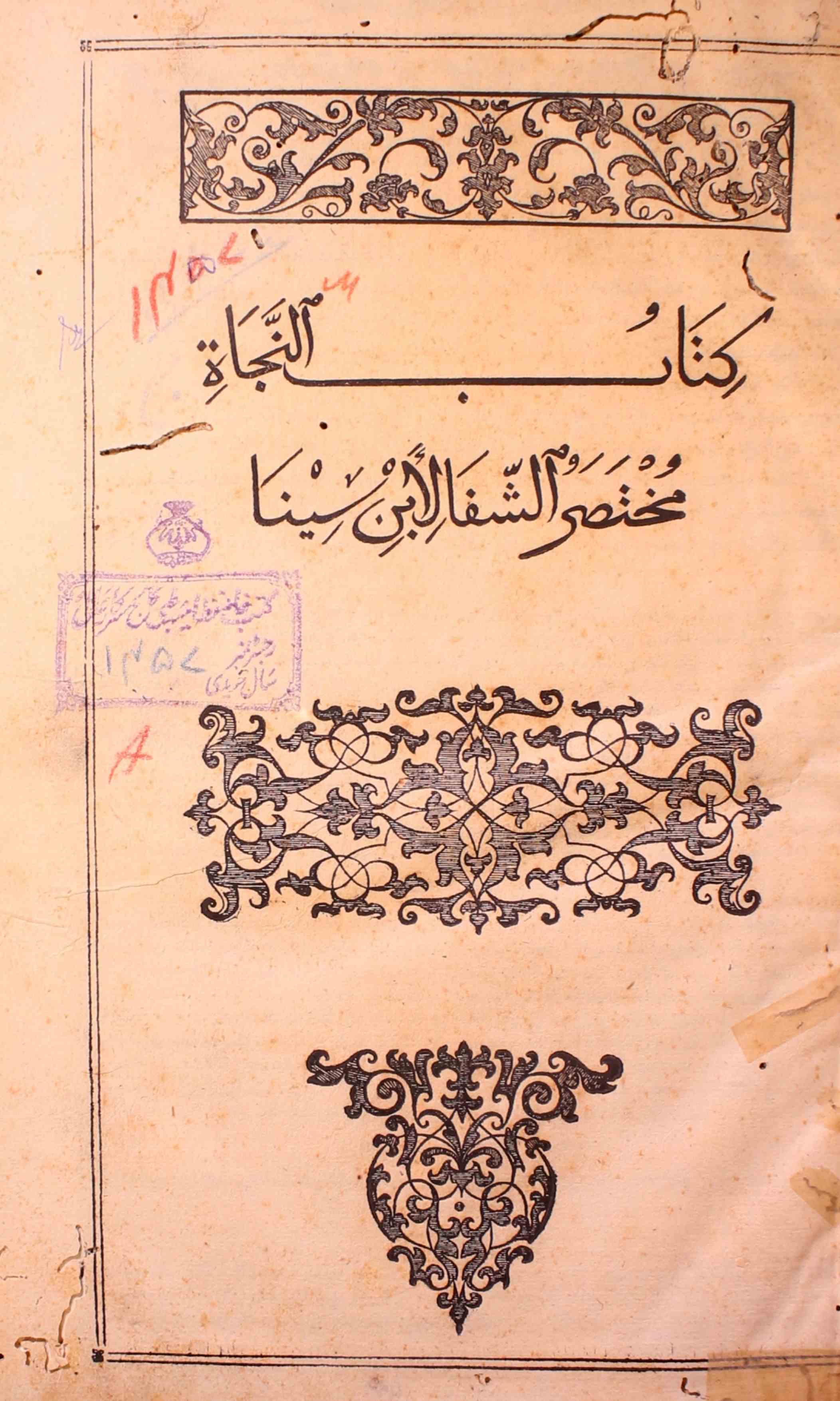
His two most celebrated masterpieces are al-Shifāʾ and al-Qānūn fī al-Ṭibb:
Kitāb al-Shifāʾ (The Book of Healing) is a monumental philosophical and scientific encyclopedia covering logic, natural sciences, mathematics, and metaphysics.
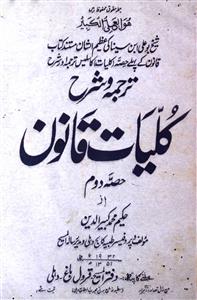
al-Qānūn fī al-Ṭibb (The Canon of Medicine) is a comprehensive medical encyclopedia that became a standard textbook in Islamic and European universities and medical schools well into the seventeenth century. This work was translated into Latin and several other languages, shaping the foundations of medical education for centuries. In 1973, the Canon of Medicine was republished in New York, attesting to its enduring significance.
Ibn Sīnā’s intellectual pursuits extended far beyond philosophy and medicine. He also wrote on astronomy, alchemy, geography, geology, psychology, Islamic theology, logic, mathematics, physics, and poetry, earning him the epithet “the Sun of the Medical World.” His writings not only synthesized earlier Greek and Islamic knowledge but also laid the groundwork for new directions in science and thought, influencing scholars in both the Islamic East and medieval Europe.
Through the breadth and depth of his scholarship, Ibn Sīnā stands as one of the towering figures of the global intellectual heritage — a beacon whose works bridged civilizations and shaped the development of science and philosophy for generations.
For any query/comment related to this ebook, please contact us at haidar.ali@rekhta.org



Write a Review
Jashn-e-Rekhta 10th Edition | 5-6-7 December Get Tickets Here