For any query/comment related to this ebook, please contact us at haidar.ali@rekhta.org
About The Author
Identity: Imam of the Muhaddithin, compiler of Sahih al-Bukhari, and one of the most eminent scholars in the science of Hadith
Imam Abu Abdullah Muhammad ibn Ismail al-Bukhari was born in 810 CE (13 Shawwal 194 AH) in Bukhara. He belonged to a learned and pious family. His father, Ismail ibn Ibrahim, was himself a distinguished hadith scholar and a student of Imam Malik. After his father passed away during his childhood, he was raised by his mother, who was renowned for her piety and devotion.
From an early age, Imam Bukhari displayed extraordinary intelligence and memory, and began studying and memorizing hadith in childhood. He later traveled extensively in pursuit of hadith knowledge, visiting Bukhara, Nishapur, Baghdad, Mecca, Medina, Egypt, Syria, and other major centers of learning. It is said that he studied under more than one thousand teachers, including eminent scholars such as Imam Ahmad ibn Hanbal, Ali ibn al-Madini, Yahya ibn Ma'in, and Ishaq ibn Rahwayh.
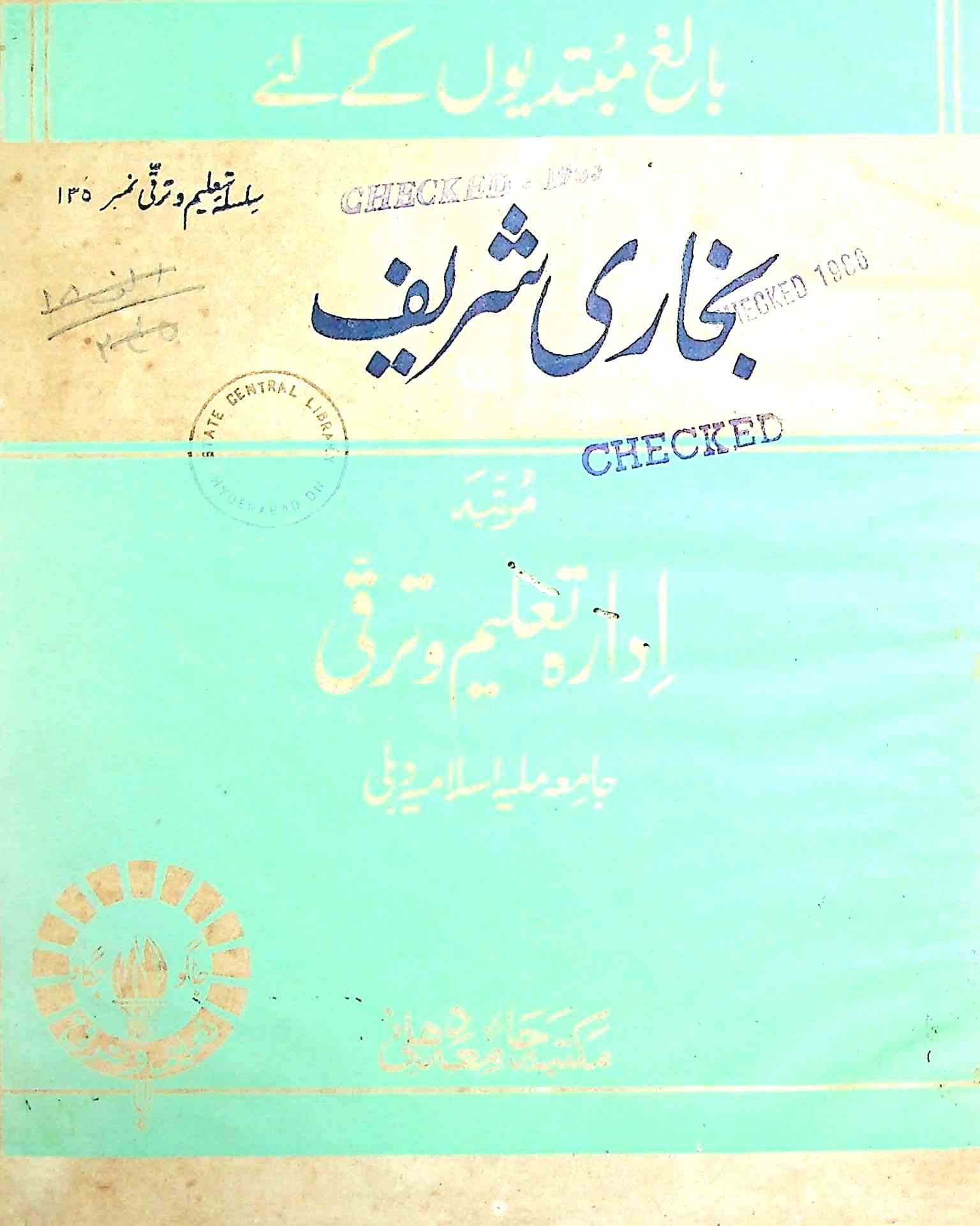
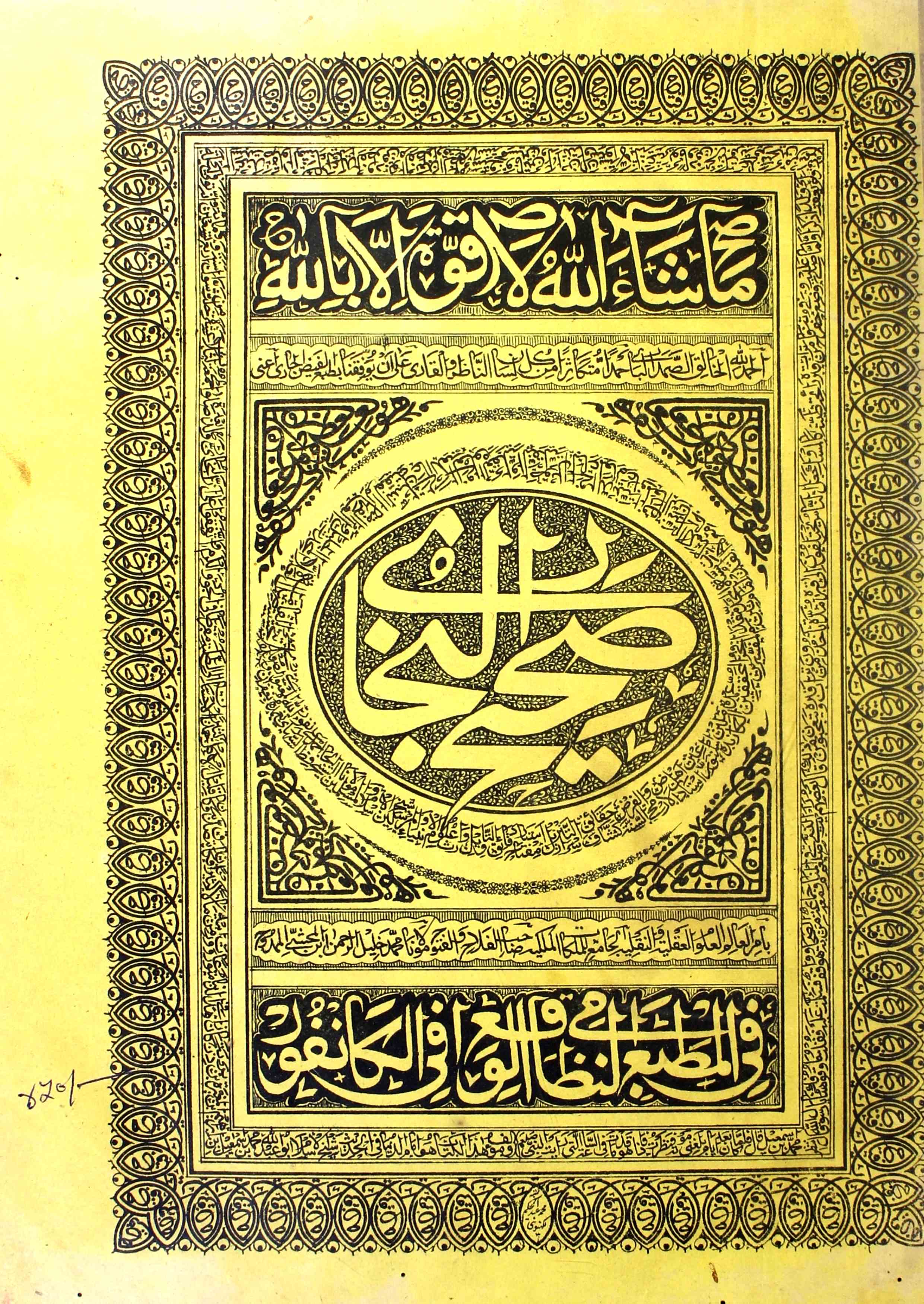
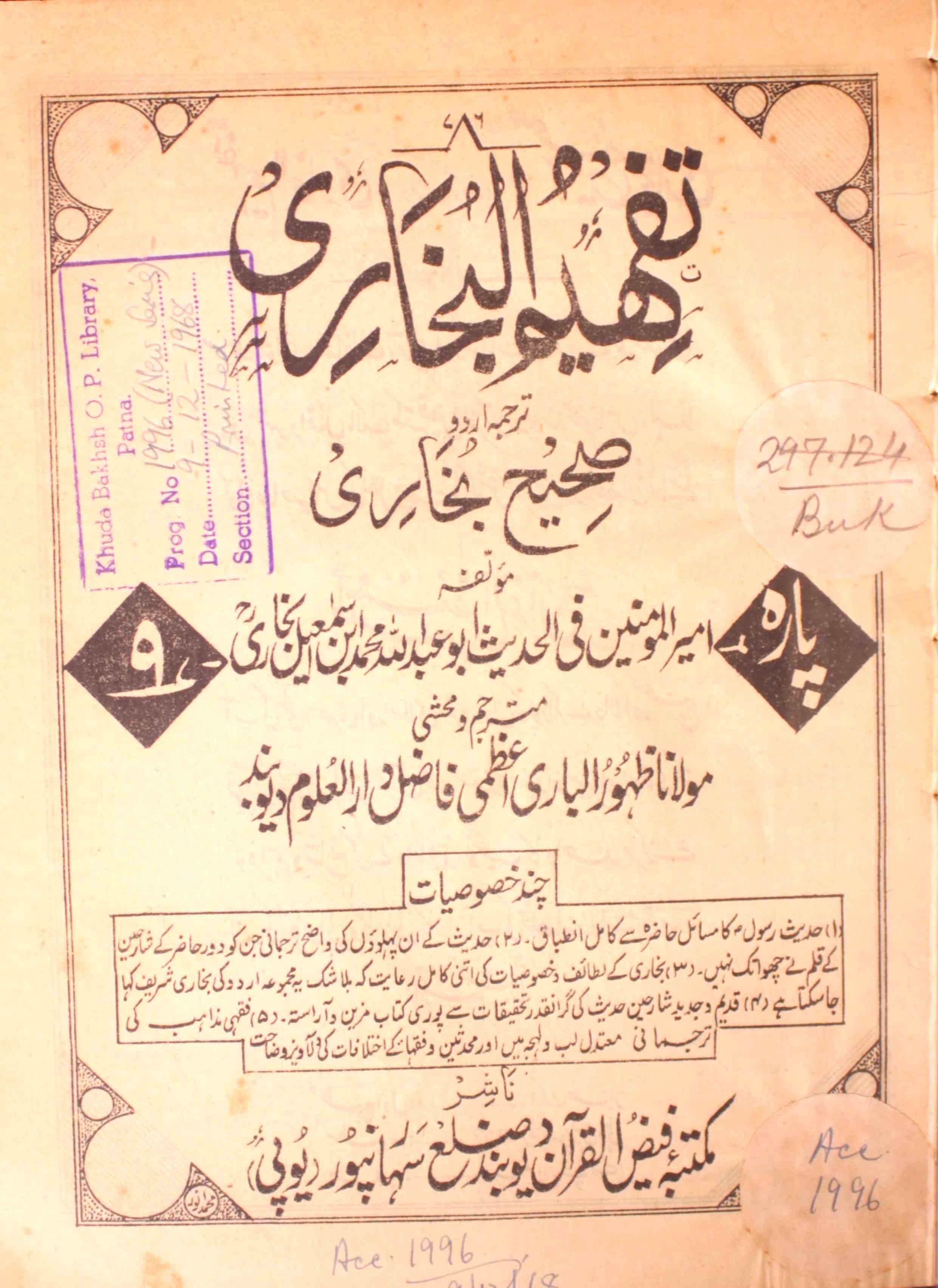
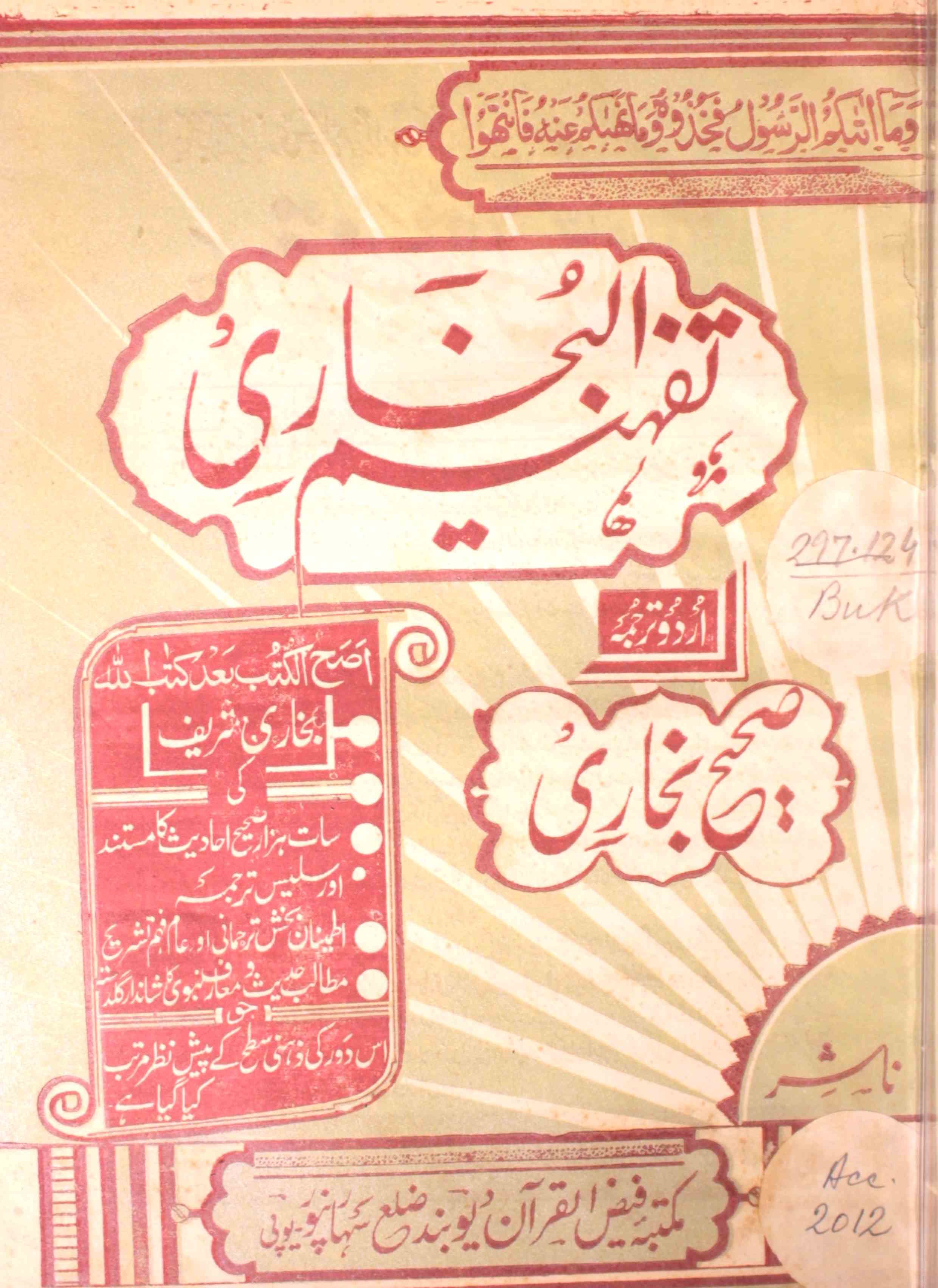
Imam Bukhari’s greatest scholarly achievement is Al-Jami‘ al-Sahih, commonly known as Sahih al-Bukhari. It is regarded as the most authentic and reliable book of Prophetic traditions, holding the highest status in the Muslim world after the Qur'an. Imam Bukhari selected the hadiths of this collection from a corpus of approximately six hundred thousand narrations, applying exceptionally rigorous standards of authentication. It took him sixteen years to complete this monumental work.
He was not only a hadith scholar but also a jurist of independent reasoning (mujtahid). Although he was significantly influenced by Imam al-Shafi‘i in jurisprudence, he adopted independent positions on many legal issues. The chapter headings of Sahih al-Bukhari are considered reflective of his legal insight and juristic reasoning.
Apart from Sahih al-Bukhari, his other important works include Al-Adab al-Mufrad, Al-Tarikh al-Kabir, Al-Tarikh al-Awsat, Al-Tarikh al-Saghir, Khalq Af‘al al-‘Ibad, and Raf‘ al-Yadayn.
Death:
He passed away in 870 CE (1 Shawwal 256 AH) in Khartank, near Samarkand. His tomb remains a place of reverence for scholars and devotees alike.
For any query/comment related to this ebook, please contact us at haidar.ali@rekhta.org