aaj ik aur baras biit gayā us ke baġhair
jis ke hote hue hote the zamāne mere
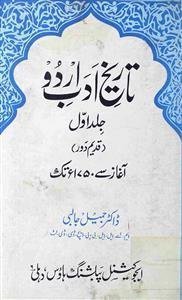
تاریخ ادب کی یہ پہلی جلد ہےجو آغاز سے لیکر 1750 ء تک قدیم اردو ادب کا احاطہ کرتی ہے۔ جس طرح سے ہم جدید ادب کو اس کی سیاسی،سماجی ، تہذیبی،تاریخی ااور لسانی نقطہ نظر سے پڑھتے ہیں اسی طرح سے ہمیں قدیم ادب کی سیاسی ،سماجی ،اقتصادی و لسانی حیثیت سے مطالعہ کرنا ہے تاکہ ہم ادب کو اس کے صحیح پس نظر میں سمجھ سکیں۔ اور اس کی صحیح اہمیت کو جان سکیں۔ جمیل جالبی سے پہلے اس موضوع پر جتنی بھی ادبی تاریخیں لکھی گئی ہیں ان میں ہر ایک نے کسی نہ کسی اکائی کو سامنے رکھ کر کام کیا ہے۔مگر جمیل جالبی نے ان سب کو ایک ہی نظر سے دیکھا اور برتا ہے ان کے نزدیک دہلی اور دکنی ادب میں کوئی فرق نہیں بلکہ ہر جگہ کا ادب اپنے یہاں حالات کو دیکھتے ہوئے پیدا ہوا ہے۔ جمیل جالبی کی یہ کوشش اور نیا طرز تحریر بہت کارگر ثابت ہوا ور انہوں نے اسی طرز پر اپنی بقیہ جلدیں بھی پوری کیں ۔ جو یقینا اردو ادب کے طالب علم کے لئے ایک اہم ماخذ اور سرمایہ ہے۔ جس نے اردو ادب کے طالب علم کو بہت سی آسانیا مہیا کرائی ہیں کہ وہ صرف ایک کتاب کا مطالعہ کر کے پوری ادبیات کو جان سکتا ہے۔ اس لئے یہ کتاب بہت مقبول ہوئی اور اس کے قاری بھی بہت زیادہ ہیں۔
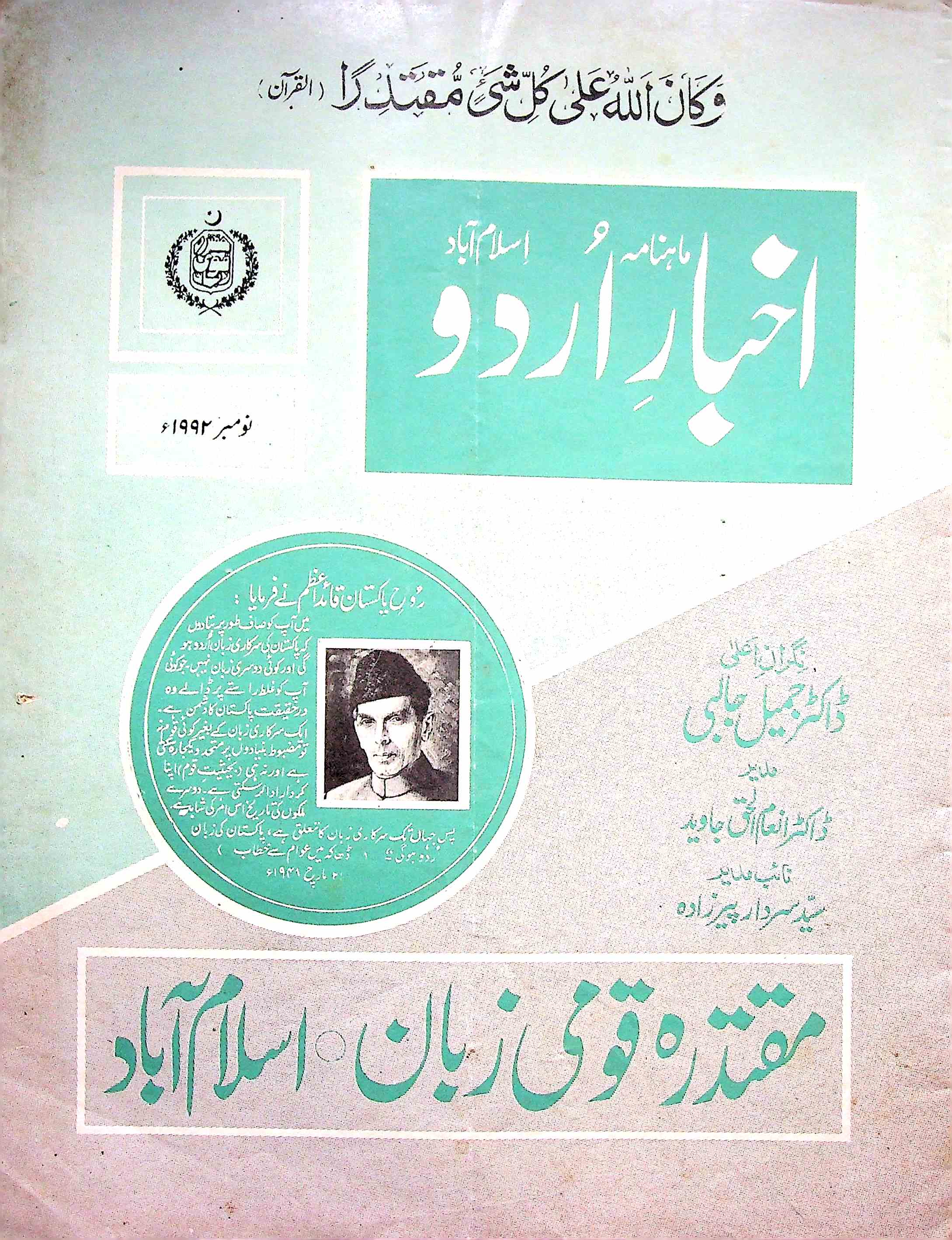
Identity: A renowned scholar, literary historian, critic, linguist, former Vice Chancellor of Karachi University, Chairman of Muqtadara Qaumi Zaban (now National Language Promotion Department), and President of the Urdu Dictionary Board
Jameel Jalibi (real name: Muhammad Jameel Khan) is counted among the great figures of Urdu literature who rendered remarkable services in research, criticism, and literary historiography. He was born on 12 June 1929 in Aligarh (with 1 July recorded in official documents). His father was Muhammad Ibrahim Khan and his grandfather Muhammad Ismail Khan, while his mother was Akbari Begum. He belonged to the Yusufzai Pathan family, whose ancestors migrated from Swat to India.
He received his early education in Saharanpur, then completed his F.A. and B.A. from Meerut College. He later earned M.A. degrees in English and Urdu from the University of Sindh, obtained an LL.B., and was awarded a Ph.D. (1971) and D.Litt. (1976) from the same university.
He began his professional career as a headmaster and later joined the Income Tax Department through a competitive examination, eventually retiring as a Commissioner. Subsequently, he served in the Ministry of Education and was appointed Vice Chancellor of Karachi University.
Jameel Jalibi’s scholarly contributions are vast. His monumental work "Tarikh-e-Adab-e-Urdu" is regarded as one of the most authoritative and comprehensive histories of Urdu literature, presenting an objective and research-based account from the earliest period up to the eighteenth century. Other notable works include "Adab, Culture aur Masail", "Tanqeed aur Tajriba", "Qadeem Urdu ki Lughat", and "Pakistani Culture: Qaumi Culture ka Masla".
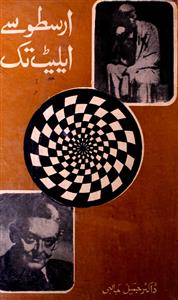
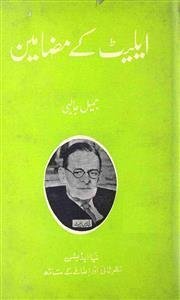
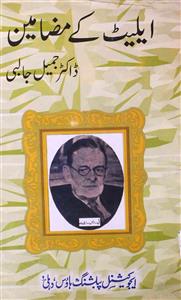
In the field of research, he made significant contributions to Dakhni literature, particularly through his work on Nizami Dakhni’s masnavi "Kadam Rao Padam Rao", which is considered foundational. His translations include "Arastu se Eliot tak", "Eliot ke Mazameen", and "Janwaristan".
Jameel Jalibi was a versatile personality—simultaneously a researcher, historian, and critic—though his primary identity remains that of a distinguished scholar and literary historian. He gave a new direction to Urdu literary historiography and elevated the standards of research.
Death: He passed away on 18 April 2019 in Karachi.