Nazms
Nazm is the generic term for the non-ghazal poetry that came to Urdu under the influence of the English poetry during the second half of the 20th century, and soon established its independent presence. Nazms are written both in rhymed verse following a rhyming scheme as well as in the free-verse form. Now prose poetry has also got established in Urdu
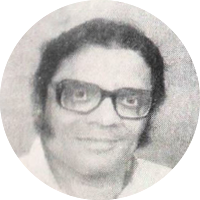
Poet, writer, and translator from Maharashtra, also translated Marathi poems into Urdu.
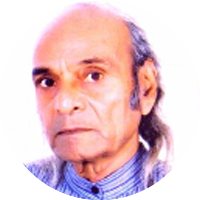
Distinguished poet and renowned writer, known for his political and symbolic poems.

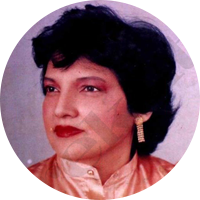

One of the emerging young poets, known for writing Sher in simple language, with Nazm also used as a means of expression.
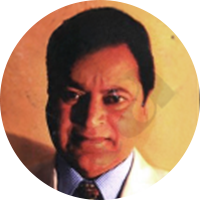
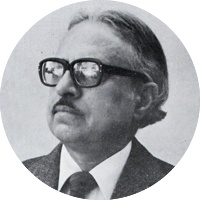
One of the leading modern poets and short story writers, who made an outstanding contribution to modern Urdu Nazm in India.
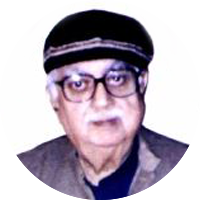

Wrote interesting poems for children, published a collection called ‘Gul Bute’.
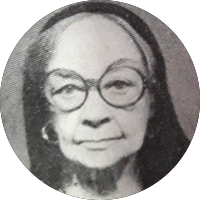
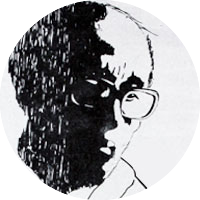
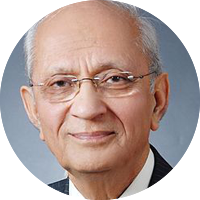
Prominent poet, story writer, and translator wrote books on issues in science and translated several books from other literature of the world.

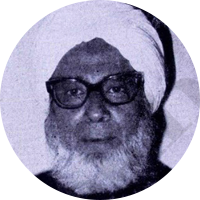
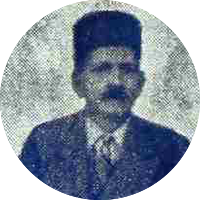
A later descendant of Delhi’s poetry tradition, known for his play 'Krishna Avataar'.
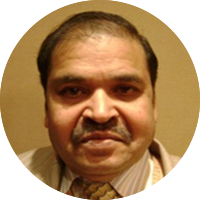
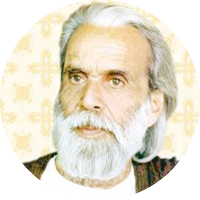
Distinguished progressive poet, critic, scriptwriter, and lyricist, renowned for the song "Karoge Yaad To Har Baat Yaad Aayegi" from the film Bazaar

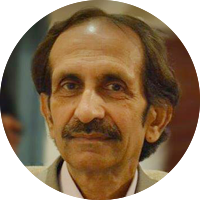


Famous for his ghazal "Ai jazba-e-dil gar main chahun har cheez muqaabil aa jaye," sung by many singers.
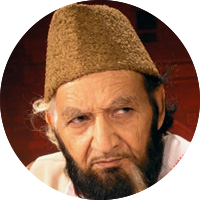
Leading popular poet who got the pseudonym Utsahi from Jawaharlal Nehru, India's first Prime Minister. Known for extensively using words of the Awadhi language. Famous for his Nazm 'Ai Meri Jan-e-ghazal…'.