 For any query/comment related to this ebook, please contact us at haidar.ali@rekhta.org
About The Author
Identity: Eminent translator, journalist, lexicographer, and an important interpreter of Russian literature
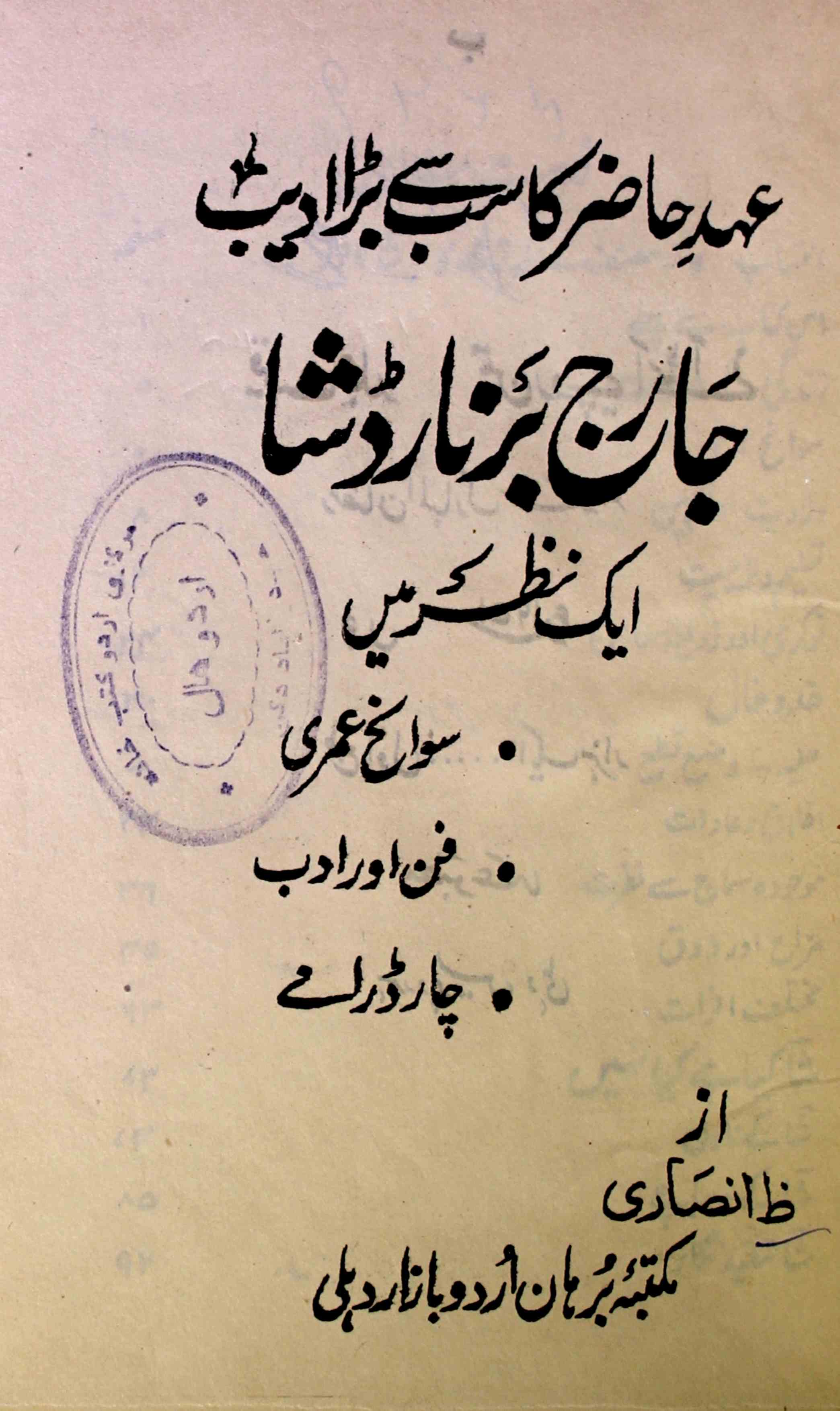
Zoe Ansari, whose real name was Zill-e-Hasnain Naqvi, was born on 6 February 1925 in Saharanpur, Uttar Pradesh. He belonged to a religious and scholarly family where traditional religious education held great importance. After receiving his early education at home, he joined Masbiya College, Meerut, where he learned Arabic and Persian. He had a deep interest in Urdu literature from the very beginning, yet he considered his education incomplete. Therefore, he later turned toward English language and literature and, through continuous self-study, attained remarkable command over English. During his stay in Moscow, he learned Russian and earned a doctorate degree there.
Due to financial and educational circumstances, he entered practical life at an early age and adopted journalism as his profession. After moving to Delhi, he became associated with the daily newspaper Ansari Nama. This was also the period when the Progressive Writers’ Movement and Marxism were gaining momentum. He joined the editorial board of the Communist Party’s weekly newspaper Qaumi Jung, edited by Syed Sibte Hasan. When Sibte Hasan left for America in 1946, Zoe Ansari became an important member of the editorial team. During the politically turbulent era of the freedom movement and progressive literature, he was also arrested. However, after reaching a compromise with the government, he was released, a move that displeased his political associates. Thereafter, he devoted himself entirely to journalism and literature.
Z. Ansari was also associated with the daily Inquilab in Bombay and, along with Meeraji, Akhtar-ul-Iman, and Madhusudan, launched a literary magazine titled Khayal. He was equally known for his humorous columns, which gained considerable popularity. Later, he worked with Shahrah and subsequently served in the editorial management of Yusuf Dehlavi’s weekly magazine Aaina.
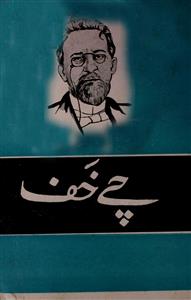
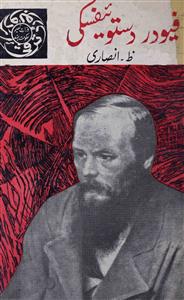
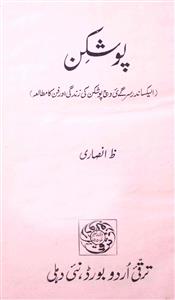
An important phase of Zoe Ansari’s intellectual life was spent in Moscow, where he worked at a translation bureau. He acquired such mastery over the Russian language that he played a major role in introducing great Russian writers to the Urdu world. He translated works of Dostoevsky, Chekhov, and Pushkin, rendered modern Russian poetry into Urdu verse, and compiled an Urdu-Russian dictionary. His Urdu translations of selected works by Karl Marx and Engels are also among his notable contributions. In recognition of his scholarly services in Moscow, he was awarded a doctorate degree.
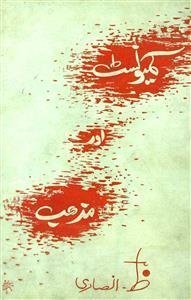
Zoe Ansari also made valuable contributions to Urdu literature and classical poetic traditions. He translated Ghalib’s Persian masnavis into Urdu verse, edited the masnavis of Amir Khusro, and compiled collections on Ghalib and Khusro in Russian. Among his important books are Masnavi Ka Safarnama, Kanton Ki Zaban, Kahi Ankahi, Kitab Shanasi, Iqbal Ki Talash, Ghalib Shanasi, Communism Aur Mazhab, Waraq Waraq, and Zaban-o-Bayan.
Death: Zoe Ansari passed away on 31 January 1991 in Bombay.
For any query/comment related to this ebook, please contact us at haidar.ali@rekhta.org