- Index of Books 180696
-
-
Book Categories
-
Activities89
Children's Literature1989
Drama921 Education347 Essays & Profiles1377 Fiction1656 Health108 History3344Humorous604 Journalism201 Language & Literature1145
Letters726 Life Style30 Medicine974 Movements268 Novel4276 Political349 Religions4769Research & Criticism6699Short-story2670 Sketches236 Social issues111 Sufism / Mystic2014Text Books440 Translation4190-
Book Categories
- Bait Bazi14
- Catalogue / Index4
- Couplets68
- Deewan1254
- Doha49
- Epics100
- Exegesis186
- Geet63
- Ghazal1265
- Haiku11
- Hamd59
- Humorous31
- Intikhab1583
- Keh mukarni6
- Kulliyat571
- Mahiya20
- Majmua4874
- Marsiya387
- Masnavi736
- Musaddas44
- Naat590
- Nazm1209
- Others84
- Paheli14
- Qasida179
- Qawwali16
- Qit'a67
- Quatrain264
- Quintuple15
- Rekhti12
- Remainders16
- Salaam34
- Sehra12
- shahr-Ashob, Hajw, Zatal Nama17
- Tareekh-Goi26
- Translation75
- Wasokht24
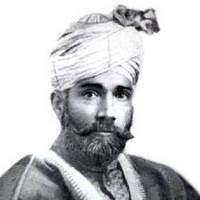
Profile of Zafar Ali Khan
nāqūs se ġharaz hai na matlab azaañ se hai
mujh ko agar hai ishq to hindostāñ se hai
naqus se gharaz hai na matlab azan se hai
mujh ko agar hai ishq to hindostan se hai
Zafar Ali Khan was a poet, an editor, a political activist, and also a freedom fighter. Born in a small town called Koatmarta in the district of Sialkot in 1873, he received his early education in Karamabad but later joined Anglo Mohammedan College, Aligarh.
Zafar Ali Khan worked as the editor of the then famous daily called Zameendar. This newspaper had made a singular contribution in those days towards creating an acute consciousness regarding political, social, and cultural issues of the times. His political stance with respect to non-violence differed from that of Mahatama Gandhi. Clearly opposed to Gandhis’s policy of non-violence, he believed in direct confrontation with the British. An ardent supporter of Khilafat Movement, he also had to serve a term of five years in prison for his role in the freedom movement.
Poetry was a mode of socio-political resistance for Zafar Ali Khan. He engaged with the issues that impacted his times. Most of what he wrote represents contemporary history in literary terms. He died on November 27, 1956 in Lahore. His collections of poems include Baharistan, Nigaristan, and Chamanistan.
Tagged Under
join rekhta family!
-
Activities89
Children's Literature1989
-