ALL
Profile
Ghazal174
Sher174
E-book27
TOP 20 SHAYARI 21
Image Shayari27
Audio18
Video55
Qisse5
Gallery 1
Blog1
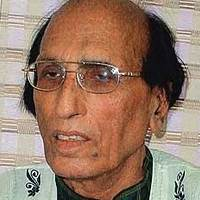
Bashir Badr
Ghazal 174
Sher-o-Shayari 174
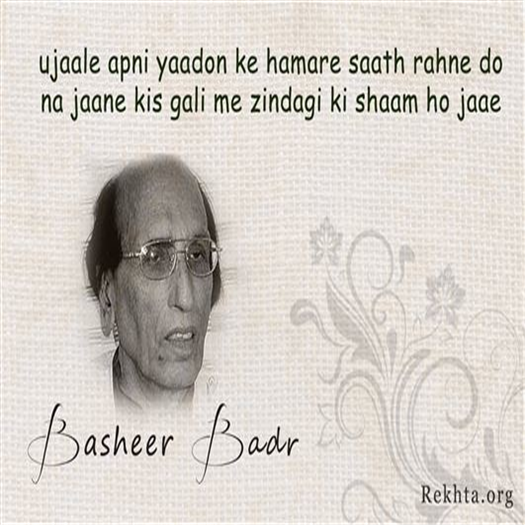
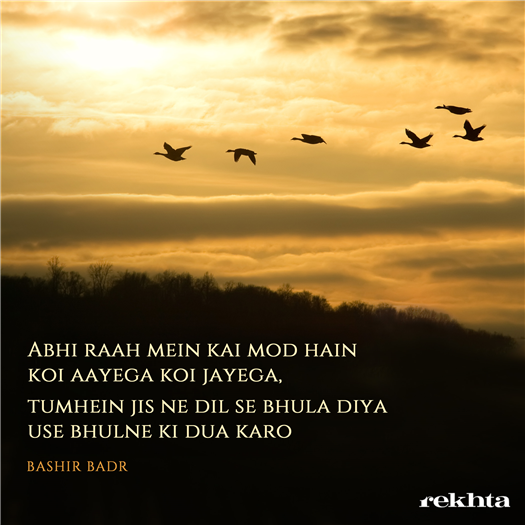
ujāle apnī yādoñ ke hamāre saath rahne do
na jaane kis galī meñ zindagī kī shaam ho jaa.e
ujale apni yaadon ke hamare sath rahne do
na jaane kis gali mein zindagi ki sham ho jae
dushmanī jam kar karo lekin ye gunjā.ish rahe
jab kabhī ham dost ho jaa.eñ to sharminda na hoñ
bear enmity with all your might, but this we should decide
if ever we be friends again, we are not mortified
dushmani jam kar karo lekin ye gunjaish rahe
jab kabhi hum dost ho jaen to sharminda na hon
bear enmity with all your might, but this we should decide
if ever we be friends again, we are not mortified
kuchh to majbūriyāñ rahī hoñgī
yuuñ koī bevafā nahīñ hotā
she would have had compulsions surely
faithless without cause no one can be
Interpretation:
Rekhta AI
In this couplet, the speaker softens a painful truth: if someone became unfaithful or left, there must have been some compulsion or helpless circumstance behind it. The line “Yun koi bewafa nahin hota” is not a factual claim so much as an emotional stance — refusing to reduce a complex human act to sheer cruelty. It carries empathy and self-protection at once: the lover tries to preserve the beloved’s dignity (and their own love) by imagining unavoidable pressures rather than deliberate betrayal.
kuchh to majburiyan rahi hongi
yun koi bewafa nahin hota
she would have had compulsions surely
faithless without cause no one can be
Interpretation:
Rekhta AI
In this couplet, the speaker softens a painful truth: if someone became unfaithful or left, there must have been some compulsion or helpless circumstance behind it. The line “Yun koi bewafa nahin hota” is not a factual claim so much as an emotional stance — refusing to reduce a complex human act to sheer cruelty. It carries empathy and self-protection at once: the lover tries to preserve the beloved’s dignity (and their own love) by imagining unavoidable pressures rather than deliberate betrayal.
na jī bhar ke dekhā na kuchh baat kī
baḌī aarzū thī mulāqāt kī
na ji bhar ke dekha na kuchh baat ki
baDi aarzu thi mulaqat ki
ham bhī dariyā haiñ hameñ apnā hunar mālūm hai
jis taraf bhī chal paḌeñge rāsta ho jā.egā
hum bhi dariya hain hamein apna hunar malum hai
jis taraf bhi chal paDenge rasta ho jaega
Qisse 5
BOOKS 27
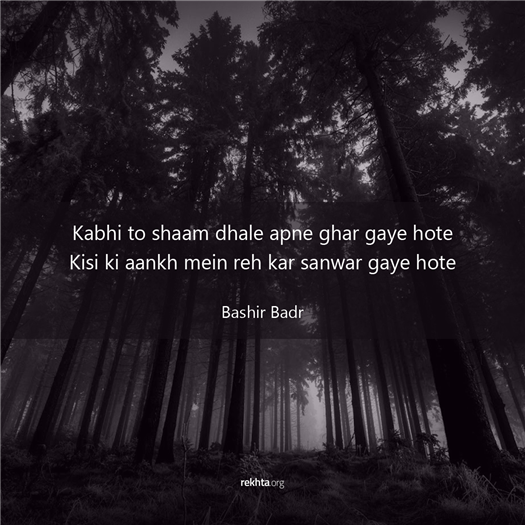
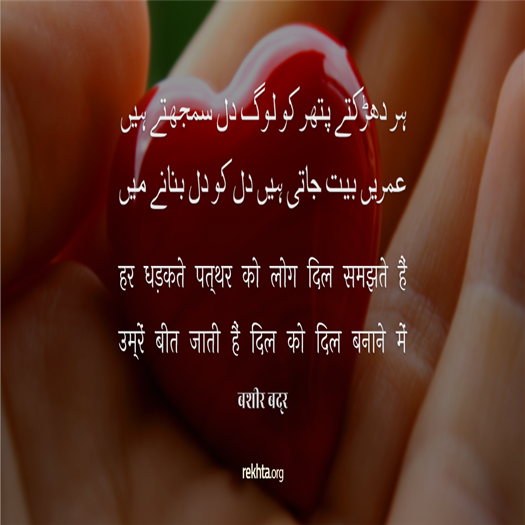
Videos 55
Audios 18
aa.nkho.n me.n rahaa dil me.n utar kar nahii.n dekhaa
abhi is taraf na nigah kar main ghazal ki palken sanwar lun
abhii is taraf na nigaah kar mai.n Gazal kii palke.n sa.nvaar luu.n
More Poets From "Bhopal"
-
 Iqbal Sajid
-
 Ram Awtar Gupta Muztar
-
 Kishwar Naheed
-
 Saleem Betab
-
 Shahryar
-
 Qateel Shifai
-
 Adil Mansuri
-
 Adeem Hashmi
-
 Mohsin Asrar
-
 Anwar Shuoor
-
 Abdul Hamid Adam
-
 Ahmad Faraz
-
 Kaifi Wijdani
-
 Anwar Anjum
-
 Zafar Sambhali
-
 Shakeel Badayuni
-
 Waseem Barelvi
-
Iqbal Ashhar Quraishi
-
 Sahir Ludhianvi
-
 Ganesh Bihari Tarz