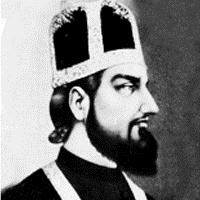
Sher of Shaikh Ibrahim Zauq
tum bhuul kar bhī yaad nahīñ karte ho kabhī
ham to tumhārī yaad meñ sab kuchh bhulā chuke
Interpretation:
Rekhta AI
This couplet presents a stark contrast between the total indifference of the beloved and the absolute absorption of the lover. The poet complains that while the beloved cannot bring themselves to think of him even accidentally, he has sacrificed his awareness of the entire world just to remain immersed in thoughts of her. It highlights the pain of one-sided devotion.
tum bhul kar bhi yaad nahin karte ho kabhi
hum to tumhaari yaad mein sab kuchh bhula chuke
Interpretation:
Rekhta AI
This couplet presents a stark contrast between the total indifference of the beloved and the absolute absorption of the lover. The poet complains that while the beloved cannot bring themselves to think of him even accidentally, he has sacrificed his awareness of the entire world just to remain immersed in thoughts of her. It highlights the pain of one-sided devotion.
-
Tag : Yaad
-
Share this
- Explanation
- Critique
- Comments
- Download
ab to ghabrā ke ye kahte haiñ ki mar jā.eñge
mar ke bhī chain na paayā to kidhar jā.eñge
being agitated I express the hope to die, although
in death, if solace is not found, then where shall I go?
Interpretation:
Rekhta AI
The poet expresses a state of extreme distress where life has become unbearable, making death appear as the only solution for relief. However, a terrifying realization strikes him: if the soul's torment is eternal and continues in the afterlife, there is truly no refuge left in the entire universe. It highlights the inescapable nature of the lover's suffering.
ab to ghabra ke ye kahte hain ki mar jaenge
mar ke bhi chain na paya to kidhar jaenge
being agitated I express the hope to die, although
in death, if solace is not found, then where shall I go?
Interpretation:
Rekhta AI
The poet expresses a state of extreme distress where life has become unbearable, making death appear as the only solution for relief. However, a terrifying realization strikes him: if the soul's torment is eternal and continues in the afterlife, there is truly no refuge left in the entire universe. It highlights the inescapable nature of the lover's suffering.
-
Share this
- Translation
- Explanation
- See Ghazal
- Critique
- Comments
- Download
maraz-e-ishq jise ho use kyā yaad rahe
na davā yaad rahe aur na duā yaad rahe
he who is stricken by love, remembers naught at all
no cure will come to mind, nor prayer will recall
Interpretation:
Rekhta AI
Zauq depicts love as an all-consuming malady that erases the lover's connection to the ordinary world. The absorption in the beloved is so intense that the sufferer forgets both material remedies (medicine) and spiritual pleas (prayer), indicating a state of total surrender and self-forgetfulness.
maraz-e-ishq jise ho use kya yaad rahe
na dawa yaad rahe aur na dua yaad rahe
he who is stricken by love, remembers naught at all
no cure will come to mind, nor prayer will recall
Interpretation:
Rekhta AI
Zauq depicts love as an all-consuming malady that erases the lover's connection to the ordinary world. The absorption in the beloved is so intense that the sufferer forgets both material remedies (medicine) and spiritual pleas (prayer), indicating a state of total surrender and self-forgetfulness.
-
Share this
- Translation
- Explanation
- See Ghazal
- Critique
- Comments
- Download
zāhid sharāb piine se kāfir huā maiñ kyuuñ
kyā DeḌh chullū paanī meñ īmān bah gayā
Interpretation:
Rekhta AI
The poet challenges the rigid religious ascetic (Zahid) who judges faith based solely on rituals and prohibitions. Zauq uses sarcasm to ask how deep spiritual belief (Imaan) can be so fragile that a trivial amount of wine—metaphorically described as a mere 'handful of water'—could destroy it completely.
zahid sharab pine se kafir hua main kyun
kya DeDh chullu pani mein iman bah gaya
Interpretation:
Rekhta AI
The poet challenges the rigid religious ascetic (Zahid) who judges faith based solely on rituals and prohibitions. Zauq uses sarcasm to ask how deep spiritual belief (Imaan) can be so fragile that a trivial amount of wine—metaphorically described as a mere 'handful of water'—could destroy it completely.
-
Tag : Sharab
-
Share this
- Explanation
- See Ghazal
- Critique
- Comments
- Download
ai 'zauq' takalluf meñ hai taklīf sarāsar
ārām meñ hai vo jo takalluf nahīñ kartā
save trouble, in formality, zauq nothing else can be
at ease he then remains he who, eschews formality
Interpretation:
Rekhta AI
The poet argues that social etiquette and formal behavior ('takalluf'), often adopted to please others, actually impose a heavy burden of suffering on the individual. True peace of mind is found only in simplicity, where one is free from the exhausting obligations of artificial manners and societal expectations.
ai 'zauq' takalluf mein hai taklif sarasar
aaram mein hai wo jo takalluf nahin karta
save trouble, in formality, zauq nothing else can be
at ease he then remains he who, eschews formality
Interpretation:
Rekhta AI
The poet argues that social etiquette and formal behavior ('takalluf'), often adopted to please others, actually impose a heavy burden of suffering on the individual. True peace of mind is found only in simplicity, where one is free from the exhausting obligations of artificial manners and societal expectations.
-
Share this
- Translation
- Explanation
- See Ghazal
- Critique
- Comments
- Download
ai 'zauq' dekh duḳhtar-e-raz ko na muñh lagā
chhuTtī nahīñ hai muñh se ye kāfar lagī huī
Interpretation:
Rekhta AI
The poet personifies wine as 'Dukhtar-e-raz' (daughter of the grape) and warns against tasting it. By calling it 'Kafir' (infidel or cruel one), he suggests that wine is an enchanting but dangerous mistress. The core theme is the difficulty of breaking an addiction; once one indulges, the habit refuses to leave.
ai 'zauq' dekh duKHtar-e-raz ko na munh laga
chhuTti nahin hai munh se ye kafar lagi hui
Interpretation:
Rekhta AI
The poet personifies wine as 'Dukhtar-e-raz' (daughter of the grape) and warns against tasting it. By calling it 'Kafir' (infidel or cruel one), he suggests that wine is an enchanting but dangerous mistress. The core theme is the difficulty of breaking an addiction; once one indulges, the habit refuses to leave.
-
Share this
- Explanation
- Critique
- Comments
- Download
in dinoñ garche dakan meñ hai baḌī qadr-e-suḳhan
kaun jaa.e 'zauq' par dillī kī galiyāñ chhoḌ kar
Interpretation:
Rekhta AI
The poet acknowledges that the Deccan region (South India) currently offers better patronage and respect for poets than the declining Delhi. However, he rhetorically asks who could possibly bear to leave Delhi, prioritizing his deep emotional connection to the city's culture and streets over financial gain or fame elsewhere.
in dinon garche dakan mein hai baDi qadr-e-suKHan
kaun jae 'zauq' par dilli ki galiyan chhoD kar
Interpretation:
Rekhta AI
The poet acknowledges that the Deccan region (South India) currently offers better patronage and respect for poets than the declining Delhi. However, he rhetorically asks who could possibly bear to leave Delhi, prioritizing his deep emotional connection to the city's culture and streets over financial gain or fame elsewhere.
-
Tag : Delhi
-
Share this
- Explanation
- See Ghazal
- Critique
- Comments
- Download
'zauq' jo madrase ke bigḌe hue haiñ mullā
un ko mai-ḳhāne meñ le aao sañvar jā.eñge
Interpretation:
Rekhta AI
This verse is a witty satire on religious dogmatism. The poet suggests that the formal seminary (Madrasa) breeds arrogance and rigidity in clerics, whereas the tavern (a metaphor for the path of love and selflessness) cures the ego. It inverts conventional morality, claiming that 'sinful' places can teach humility better than places of worship.
'zauq' jo madrase ke bigDe hue hain mulla
un ko mai-KHane mein le aao sanwar jaenge
Interpretation:
Rekhta AI
This verse is a witty satire on religious dogmatism. The poet suggests that the formal seminary (Madrasa) breeds arrogance and rigidity in clerics, whereas the tavern (a metaphor for the path of love and selflessness) cures the ego. It inverts conventional morality, claiming that 'sinful' places can teach humility better than places of worship.
-
Share this
- Explanation
- See Ghazal
- Critique
- Comments
- Download
ek aañsū ne Duboyā mujh ko un kī bazm meñ
buuñd bhar paanī se saarī aabrū paanī huī
a single tear caused my fall in her company
just a drop of water drowned my dignity
Interpretation:
Rekhta AI
The poet laments that a momentary lapse in emotional control, manifested as a single tear, destroyed his dignity in the beloved's assembly. He uses a clever play on the word 'water,' contrasting the physical teardrop with the metaphorical liquefying of his honor, implying that this small sign of weakness completely washed away his social standing.
ek aansu ne Duboya mujh ko un ki bazm mein
bund bhar pani se sari aabru pani hui
a single tear caused my fall in her company
just a drop of water drowned my dignity
Interpretation:
Rekhta AI
The poet laments that a momentary lapse in emotional control, manifested as a single tear, destroyed his dignity in the beloved's assembly. He uses a clever play on the word 'water,' contrasting the physical teardrop with the metaphorical liquefying of his honor, implying that this small sign of weakness completely washed away his social standing.
-
Tag : Aansoo
-
Share this
- Translation
- Explanation
- Critique
- Comments
- Download
bajā kahe jise aalam use bajā samjho
zabān-e-ḳhalq ko naqqāra-e-ḳhudā samjho
Interpretation:
Rekhta AI
This couplet highlights the sanctity and weight of public consensus. It draws upon the concept that when a large number of people agree on something, it carries a divine validation, akin to the maxim 'Vox populi, vox Dei' (The voice of the people is the voice of God). Therefore, one should respect collective judgment as a reflection of truth.
baja kahe jise aalam use baja samjho
zaban-e-KHalq ko naqqara-e-KHuda samjho
Interpretation:
Rekhta AI
This couplet highlights the sanctity and weight of public consensus. It draws upon the concept that when a large number of people agree on something, it carries a divine validation, akin to the maxim 'Vox populi, vox Dei' (The voice of the people is the voice of God). Therefore, one should respect collective judgment as a reflection of truth.
-
Share this
- Explanation
- See Ghazal
- Critique
- Comments
- Download
ma.alūm jo hotā hameñ anjām-e-mohabbat
lete na kabhī bhuul ke ham nām-e-mohabāt
had I known this is how love would end
even its name would not cross my lips my friend
Interpretation:
Rekhta AI
The poet expresses deep remorse over falling in love, emphasizing the pain and tragedy that awaits at the end of the journey. He suggests that love is so destructive that had he foreseen the outcome, he would have avoided even the slightest association with it.
malum jo hota hamein anjam-e-mohabbat
lete na kabhi bhul ke hum nam-e-mohabaat
had I known this is how love would end
even its name would not cross my lips my friend
Interpretation:
Rekhta AI
The poet expresses deep remorse over falling in love, emphasizing the pain and tragedy that awaits at the end of the journey. He suggests that love is so destructive that had he foreseen the outcome, he would have avoided even the slightest association with it.
-
Share this
- Translation
- Explanation
- Critique
- Comments
- Download
ham rone pe aa jaa.eñ to dariyā hī bahā deñ
shabnam kī tarah se hameñ ronā nahīñ aatā
Interpretation:
Rekhta AI
This couplet is a classic example of poetic exaggeration (hyperbole) used to express the immense depth of the poet's sorrow. He contrasts his overwhelming grief with the delicate, insignificant nature of dew drops, asserting that his pain demands a flood-like release rather than silent, suppressed tears.
hum rone pe aa jaen to dariya hi baha den
shabnam ki tarah se hamein rona nahin aata
Interpretation:
Rekhta AI
This couplet is a classic example of poetic exaggeration (hyperbole) used to express the immense depth of the poet's sorrow. He contrasts his overwhelming grief with the delicate, insignificant nature of dew drops, asserting that his pain demands a flood-like release rather than silent, suppressed tears.
-
Share this
- Explanation
- Critique
- Comments
- Download
laa.ī hayāt aa.e qazā le chalī chale
apnī ḳhushī na aa.e na apnī ḳhushī chale
Interpretation:
Rekhta AI
This couplet captures the philosophical essence of human helplessness regarding existence. It highlights that the two most significant events—birth and death—are entirely out of human control. Man is portrayed as a traveler who follows the dictates of fate without any personal agency in the beginning or the end of his journey.
lai hayat aae qaza le chali chale
apni KHushi na aae na apni KHushi chale
Interpretation:
Rekhta AI
This couplet captures the philosophical essence of human helplessness regarding existence. It highlights that the two most significant events—birth and death—are entirely out of human control. Man is portrayed as a traveler who follows the dictates of fate without any personal agency in the beginning or the end of his journey.
-
Share this
- Explanation
- See Ghazal
- Critique
- Comments
- Download
kitne muflis ho ga.e kitne tavañgar ho ga.e
ḳhaak meñ jab mil ga.e donoñ barābar ho ga.e
however many paupers passed, and wealthy went and came
when they were consigned to dust they were all the same
Interpretation:
Rekhta AI
This couplet highlights the transient nature of worldly status and wealth. Zauq reminds the reader that while society divides people into rich and poor, death serves as the ultimate equalizer. In the end, everyone returns to the same earth, rendering all social hierarchies meaningless.
kitne muflis ho gae kitne tawangar ho gae
KHak mein jab mil gae donon barabar ho gae
however many paupers passed, and wealthy went and came
when they were consigned to dust they were all the same
Interpretation:
Rekhta AI
This couplet highlights the transient nature of worldly status and wealth. Zauq reminds the reader that while society divides people into rich and poor, death serves as the ultimate equalizer. In the end, everyone returns to the same earth, rendering all social hierarchies meaningless.
-
Share this
- Translation
- Explanation
- Critique
- Comments
- Download
phuul to do din bahār-e-jāñ-fazā dikhlā ga.e
hasrat un ġhunchoñ pe hai jo bin khile murjhā ga.e
Interpretation:
Rekhta AI
Zauq compares the fleeting nature of life with total unfulfillment. While he acknowledges that even successful lives (flowers) are short, his true grief is reserved for those (buds) who died young or failed to realize their potential. It highlights the tragedy of talent or life cut short before it could blossom.
phul to do din bahaar-e-jaan-faza dikhla gae
hasrat un ghunchon pe hai jo bin khile murjha gae
Interpretation:
Rekhta AI
Zauq compares the fleeting nature of life with total unfulfillment. While he acknowledges that even successful lives (flowers) are short, his true grief is reserved for those (buds) who died young or failed to realize their potential. It highlights the tragedy of talent or life cut short before it could blossom.
-
Share this
- Explanation
- Critique
- Comments
- Download
ādamiyyat aur shai hai ilm hai kuchh aur shai
kitnā tote ko paḌhāyā par vo haivāñ hī rahā
Interpretation:
Rekhta AI
Zauq distinguishes between accumulating information (knowledge) and possessing moral character (humanity). He uses the metaphor of a parrot, which can mimic human speech through training but lacks human consciousness or ethics. The verse suggests that education alone cannot transform a person's basic nature if true humanity is missing.
aadamiyyat aur shai hai ilm hai kuchh aur shai
kitna tote ko paDhaya par wo haiwan hi raha
Interpretation:
Rekhta AI
Zauq distinguishes between accumulating information (knowledge) and possessing moral character (humanity). He uses the metaphor of a parrot, which can mimic human speech through training but lacks human consciousness or ethics. The verse suggests that education alone cannot transform a person's basic nature if true humanity is missing.
behtar to hai yahī ki na duniyā se dil lage
par kyā kareñ jo kaam na be-dil-lagī chale
Interpretation:
Rekhta AI
This couplet highlights the eternal conflict between spiritual wisdom and human necessity. While the poet acknowledges that detachment from the transient world is the wiser path to avoid suffering, he admits that human life stagnates without interest or connection. It captures the helplessness of the human condition, where one is forced to engage with the world just to survive.
behtar to hai yahi ki na duniya se dil lage
par kya karen jo kaam na be-dil-lagi chale
Interpretation:
Rekhta AI
This couplet highlights the eternal conflict between spiritual wisdom and human necessity. While the poet acknowledges that detachment from the transient world is the wiser path to avoid suffering, he admits that human life stagnates without interest or connection. It captures the helplessness of the human condition, where one is forced to engage with the world just to survive.
-
Share this
- Explanation
- See Ghazal
- Critique
- Comments
- Download
naaz hai gul ko nazākat pe chaman meñ ai 'zauq'
us ne dekhe hī nahīñ nāz-o-nazākat vaale
Interpretation:
Rekhta AI
The poet uses a classic metaphor comparing the beloved to a rose. He mocks the rose's vanity, suggesting that its pride in being delicate is born of ignorance. If the rose were to witness the beloved's superior elegance and tenderness, its arrogance would instantly vanish.
naz hai gul ko nazakat pe chaman mein ai 'zauq'
us ne dekhe hi nahin naz-o-nazakat wale
Interpretation:
Rekhta AI
The poet uses a classic metaphor comparing the beloved to a rose. He mocks the rose's vanity, suggesting that its pride in being delicate is born of ignorance. If the rose were to witness the beloved's superior elegance and tenderness, its arrogance would instantly vanish.
-
Share this
- Explanation
- See Ghazal
- Critique
- Comments
- Download
bosa jo ruḳh kā dete nahīñ lab kā dījiye
ye hai masal ki phuul nahīñ pañkhuḌī sahī
Interpretation:
Rekhta AI
The poet uses a clever and playful argument to negotiate with the beloved. By equating the face to a full flower and the lip to a mere petal, the lover suggests that a kiss on the lips is a modest compromise, citing the proverb that a part is acceptable if the whole is denied.
bosa jo ruKH ka dete nahin lab ka dijiye
ye hai masal ki phul nahin pankhuDi sahi
Interpretation:
Rekhta AI
The poet uses a clever and playful argument to negotiate with the beloved. By equating the face to a full flower and the lip to a mere petal, the lover suggests that a kiss on the lips is a modest compromise, citing the proverb that a part is acceptable if the whole is denied.
-
Tag : Kiss
-
Share this
- Explanation
- Critique
- Comments
- Download
masjid meñ us ne ham ko āñkheñ dikhā ke maarā
kāfir kī shoḳhī dekho ghar meñ ḳhudā ke maarā
Interpretation:
Rekhta AI
This couplet playfully contrasts the sanctity of a place of worship with the worldly power of romantic attraction. The poet refers to the beloved as a 'Kafir' (infidel) to highlight their cruelty or lack of religious regard, noting the irony that the beloved used the lethal power of their gaze to 'kill' the lover within the safety of a mosque.
masjid mein us ne hum ko aankhen dikha ke mara
kafir ki shoKHi dekho ghar mein KHuda ke mara
Interpretation:
Rekhta AI
This couplet playfully contrasts the sanctity of a place of worship with the worldly power of romantic attraction. The poet refers to the beloved as a 'Kafir' (infidel) to highlight their cruelty or lack of religious regard, noting the irony that the beloved used the lethal power of their gaze to 'kill' the lover within the safety of a mosque.
-
Share this
- Explanation
- Critique
- Comments
- Download
ai sham.a terī umr-e-tābī.ī hai ek raat
hañs kar guzār yā ise ro kar guzār de
Interpretation:
Rekhta AI
The poet uses the metaphor of a candle to illustrate the brevity of life, noting that its entire existence is limited to just one dark night. Since the end is inevitable and the time is short, the poet suggests that complaining is futile. It serves as a philosophical reminder that while we cannot control the length of our life, we can choose our attitude towards it.
ai shama teri umr-e-tabii hai ek raat
hans kar guzar ya ise ro kar guzar de
Interpretation:
Rekhta AI
The poet uses the metaphor of a candle to illustrate the brevity of life, noting that its entire existence is limited to just one dark night. Since the end is inevitable and the time is short, the poet suggests that complaining is futile. It serves as a philosophical reminder that while we cannot control the length of our life, we can choose our attitude towards it.
-
Tag : Shama
-
Share this
- Explanation
- Critique
- Comments
- Download
na huā par na huā 'mīr' kā andāz nasīb
'zauq' yāroñ ne bahut zor ġhazal meñ maarā
Interpretation:
Rekhta AI
This couplet is a famous admission of artistic humility by Zauq, acknowledging the superiority of the legendary poet Mir Taqi Mir. Zauq states that while he and his contemporaries worked incredibly hard to master the art of the Ghazal, Mir's effortless and unique style remained unreachable. It highlights the consensus that Mir's genius is inimitable.
na hua par na hua 'mir' ka andaz nasib
'zauq' yaron ne bahut zor ghazal mein mara
Interpretation:
Rekhta AI
This couplet is a famous admission of artistic humility by Zauq, acknowledging the superiority of the legendary poet Mir Taqi Mir. Zauq states that while he and his contemporaries worked incredibly hard to master the art of the Ghazal, Mir's effortless and unique style remained unreachable. It highlights the consensus that Mir's genius is inimitable.
-
Share this
- Explanation
- See Ghazal
- Critique
- Comments
- Download
kyā jaane use vahm hai kyā merī taraf se
jo ḳhvāb meñ bhī raat ko tanhā nahīñ aatā
I wonder to what misgivings she is prone
that even in my dreams she's not alone
Interpretation:
Rekhta AI
The poet humorously exaggerates the beloved's cautiousness and lack of trust. The beloved is so guarded that even in the lover's dream—a realm usually controlled by one's own subconscious desire for intimacy—he brings a companion (likely a rival or guard) to avoid being alone with the poet.
kya jaane use wahm hai kya meri taraf se
jo KHwab mein bhi raat ko tanha nahin aata
I wonder to what misgivings she is prone
that even in my dreams she's not alone
Interpretation:
Rekhta AI
The poet humorously exaggerates the beloved's cautiousness and lack of trust. The beloved is so guarded that even in the lover's dream—a realm usually controlled by one's own subconscious desire for intimacy—he brings a companion (likely a rival or guard) to avoid being alone with the poet.
-
Share this
- Translation
- Explanation
- Critique
- Comments
- Download
kyā dekhtā hai haath mirā chhoḌ de tabīb
yaañ jaan hī badan meñ nahīñ nabz kyā chale
Interpretation:
Rekhta AI
The poet addresses a doctor trying to diagnose his condition by feeling his pulse. He dismisses this medical attention as futile, claiming that the suffering of love has already drained all life from him. Since he considers himself practically dead, checking for a pulse is a meaningless action.
kya dekhta hai hath mera chhoD de tabib
yan jaan hi badan mein nahin nabz kya chale
Interpretation:
Rekhta AI
The poet addresses a doctor trying to diagnose his condition by feeling his pulse. He dismisses this medical attention as futile, claiming that the suffering of love has already drained all life from him. Since he considers himself practically dead, checking for a pulse is a meaningless action.
-
Share this
- Explanation
- See Ghazal
- Critique
- Comments
- Download
haq ne tujh ko ik zabāñ dī aur diye haiñ kaan do
is ke ye ma.anī kahe ik aur sune insān do
the lord did on our face one mouth and two ears array
for to listen twich as much as we are wont to say
Interpretation:
Rekhta AI
The poet interprets the physical anatomy of the human body as a divine signal for behavioral ethics. By highlighting that humans have one tongue but two ears, Zauq argues that nature intends for us to listen twice as much as we speak. It is a lesson in wisdom, suggesting that silence and attention bring more benefit than excessive talking.
haq ne tujh ko ek zaban di aur diye hain kan do
is ke ye mani kahe ek aur sune insan do
the lord did on our face one mouth and two ears array
for to listen twich as much as we are wont to say
Interpretation:
Rekhta AI
The poet interprets the physical anatomy of the human body as a divine signal for behavioral ethics. By highlighting that humans have one tongue but two ears, Zauq argues that nature intends for us to listen twice as much as we speak. It is a lesson in wisdom, suggesting that silence and attention bring more benefit than excessive talking.
-
Share this
- Translation
- Explanation
- Critique
- Comments
- Download
duniyā ne kis kā rāh-e-fanā meñ diyā hai saath
tum bhī chale chalo yūñhī jab tak chalī chale
Interpretation:
Rekhta AI
The poet reflects on the reality that worldly companions and possessions inevitably leave us when we face death. Recognizing that the world is unfaithful in the end, the poet advises a stoic acceptance: simply live life as it comes and go with the flow until the inevitable conclusion.
duniya ne kis ka rah-e-fana mein diya hai sath
tum bhi chale chalo yunhi jab tak chali chale
Interpretation:
Rekhta AI
The poet reflects on the reality that worldly companions and possessions inevitably leave us when we face death. Recognizing that the world is unfaithful in the end, the poet advises a stoic acceptance: simply live life as it comes and go with the flow until the inevitable conclusion.
-
Tag : Duniya
-
Share this
- Explanation
- See Ghazal
- Critique
- Comments
- Download
ham nahīñ vo jo kareñ ḳhuun kā da.avā tujh par
balki pūchhegā ḳhudā bhī to mukar jā.eñge
Interpretation:
Rekhta AI
This couplet illustrates the ultimate height of sacrificial love, where the lover values the beloved's safety more than divine justice. The speaker promises that not only will they refrain from complaining about the beloved's cruelty in this world, but they will also lie to God on Judgment Day to save the beloved from punishment.
hum nahin wo jo karen KHun ka dawa tujh par
balki puchhega KHuda bhi to mukar jaenge
Interpretation:
Rekhta AI
This couplet illustrates the ultimate height of sacrificial love, where the lover values the beloved's safety more than divine justice. The speaker promises that not only will they refrain from complaining about the beloved's cruelty in this world, but they will also lie to God on Judgment Day to save the beloved from punishment.
-
Share this
- Explanation
- See Ghazal
- Critique
- Comments
- Download
rahtā suḳhan se naam qayāmat talak hai 'zauq'
aulād se rahe yahī do pusht chaar pusht
Interpretation:
Rekhta AI
The poet contrasts the permanence of artistic creation with the transience of biological lineage. While descendants can only preserve a family name for a short time, literature and poetry grant the creator a form of immortality that lasts until the end of the world. It suggests that intellectual legacy is far superior to physical lineage.
rahta suKHan se nam qayamat talak hai 'zauq'
aulad se rahe yahi do pusht chaar pusht
Interpretation:
Rekhta AI
The poet contrasts the permanence of artistic creation with the transience of biological lineage. While descendants can only preserve a family name for a short time, literature and poetry grant the creator a form of immortality that lasts until the end of the world. It suggests that intellectual legacy is far superior to physical lineage.
-
Tag : Sher
-
Share this
- Explanation
- Critique
- Comments
- Download
rulā.egī mirī yaad un ko muddatoñ sāhab
kareñge bazm meñ mahsūs jab kamī merī
Interpretation:
Rekhta AI
The poet asserts that his true worth will only be recognized after he is gone. When the social gathering feels empty without his lively presence, his companions will finally miss him deeply and shed tears of regret for a long time.
rulaegi meri yaad un ko muddaton sahab
karenge bazm mein mahsus jab kami meri
Interpretation:
Rekhta AI
The poet asserts that his true worth will only be recognized after he is gone. When the social gathering feels empty without his lively presence, his companions will finally miss him deeply and shed tears of regret for a long time.
-
Tag : Yaad
-
Share this
- Explanation
- Critique
- Comments
- Download
tum jise yaad karo phir use kyā yaad rahe
na ḳhudā.ī kī ho parvā na ḳhudā yaad rahe
Interpretation:
Rekhta AI
This couplet describes the overwhelming power of the Beloved's (or God's) attention. When the Divine bestows favor upon a devotee, the devotee becomes so absorbed in that connection that they lose all awareness of the material world and even transcend the conscious ritual of remembering God, entering a state of total spiritual immersion.
tum jise yaad karo phir use kya yaad rahe
na KHudai ki ho parwa na KHuda yaad rahe
Interpretation:
Rekhta AI
This couplet describes the overwhelming power of the Beloved's (or God's) attention. When the Divine bestows favor upon a devotee, the devotee becomes so absorbed in that connection that they lose all awareness of the material world and even transcend the conscious ritual of remembering God, entering a state of total spiritual immersion.
-
Tag : Yaad
-
Share this
- Explanation
- See Ghazal
- Critique
- Comments
- Download
tavāzo kā tarīqa sāhibo pūchho surāhī se
ki jaarī faiz bhī hai aur jhukī jaatī hai gardan bhī
Interpretation:
Rekhta AI
Zauq uses the imagery of a 'Surahi' (a long-necked pitcher) to teach a lesson about behavior. When a pitcher pours wine or water to serve others (an act of generosity), it must physically tilt forward. The poet suggests that true greatness lies in remaining humble and bowing one's head, even while one is in a position of giving or bestowing favors upon others.
tawazo ka tariqa sahibo puchho surahi se
ki jari faiz bhi hai aur jhuki jati hai gardan bhi
Interpretation:
Rekhta AI
Zauq uses the imagery of a 'Surahi' (a long-necked pitcher) to teach a lesson about behavior. When a pitcher pours wine or water to serve others (an act of generosity), it must physically tilt forward. The poet suggests that true greatness lies in remaining humble and bowing one's head, even while one is in a position of giving or bestowing favors upon others.
-
Share this
- Explanation
- Critique
- Comments
- Download
vaqt-e-pīrī shabāb kī bāteñ
aisī haiñ jaise ḳhvāb kī bāteñ
in old age talk of youth now seems
to be just like the stuff of dreams
Interpretation:
Rekhta AI
The poet expresses how distant and unreal the past feels when one reaches old age. Recalling the vigor and energy of youth becomes a melancholic experience, as those memories seem so far removed from the current reality of frailty that they resemble a fleeting dream rather than actual life events.
waqt-e-piri shabab ki baaten
aisi hain jaise KHwab ki baaten
in old age talk of youth now seems
to be just like the stuff of dreams
Interpretation:
Rekhta AI
The poet expresses how distant and unreal the past feels when one reaches old age. Recalling the vigor and energy of youth becomes a melancholic experience, as those memories seem so far removed from the current reality of frailty that they resemble a fleeting dream rather than actual life events.
-
Share this
- Translation
- Explanation
- See Ghazal
- Critique
- Comments
- Download
jo kahoge tum kaheñge ham bhī haañ yuuñ hī sahī
aap kī gar yuuñ ḳhushī hai mehrbāñ yuuñ hī sahī
Interpretation:
Rekhta AI
This couplet illustrates the lover's absolute submission to the beloved's will. The speaker values the beloved's happiness over objective truth or his own pride, willing to agree with anything—even if it is incorrect—just to keep the beloved pleased.
jo kahoge tum kahenge hum bhi han yun hi sahi
aap ki gar yun KHushi hai mehrban yun hi sahi
Interpretation:
Rekhta AI
This couplet illustrates the lover's absolute submission to the beloved's will. The speaker values the beloved's happiness over objective truth or his own pride, willing to agree with anything—even if it is incorrect—just to keep the beloved pleased.
-
Share this
- Explanation
- Critique
- Comments
- Download
ḳhat baḌhā kākul baḌhe zulfeñ baḌhīñ gesū baḌhe
husn kī sarkār meñ jitne baḌhe hindū baḌhe
Interpretation:
Rekhta AI
This couplet relies on a classical poetic trope where the word 'Hindu' represents the color black. Zauq playfully describes the overgrowth of facial hair and locks on the beloved's face, suggesting that in the realm of Beauty, the dark elements (hair) are the only ones getting promoted or increasing in influence.
KHat baDha kakul baDhe zulfen baDhin gesu baDhe
husn ki sarkar mein jitne baDhe hindu baDhe
Interpretation:
Rekhta AI
This couplet relies on a classical poetic trope where the word 'Hindu' represents the color black. Zauq playfully describes the overgrowth of facial hair and locks on the beloved's face, suggesting that in the realm of Beauty, the dark elements (hair) are the only ones getting promoted or increasing in influence.
-
Share this
- Explanation
- See Ghazal
- Critique
- Comments
- Download
sab ko duniyā kī havas ḳhvār liye phirtī hai
kaun phirtā hai ye murdār liye phirtī hai
Interpretation:
Rekhta AI
The poet critiques the human obsession with material life, describing worldly greed as an active force that humiliates people. He suggests that humans have lost their agency; they are not moving of their own free will but are being dragged around by their base desires for the world, which is metaphorically compared to a rotting carcass.
sab ko duniya ki hawas KHwar liye phirti hai
kaun phirta hai ye murdar liye phirti hai
Interpretation:
Rekhta AI
The poet critiques the human obsession with material life, describing worldly greed as an active force that humiliates people. He suggests that humans have lost their agency; they are not moving of their own free will but are being dragged around by their base desires for the world, which is metaphorically compared to a rotting carcass.
-
Share this
- Explanation
- See Ghazal
- Critique
- Comments
- Download
kahte haiñ aaj 'zauq' jahāñ se guzar gayā
kyā ḳhuub aadmī thā ḳhudā maġhfirat kare
Interpretation:
Rekhta AI
The poet speaks of his own death in the third person, anticipating how the world will react when he is gone. It highlights the irony of human nature, where society often acknowledges a person's virtues and offers prayers for their soul only after they have died.
kahte hain aaj 'zauq' jahan se guzar gaya
kya KHub aadmi tha KHuda maghfirat kare
Interpretation:
Rekhta AI
The poet speaks of his own death in the third person, anticipating how the world will react when he is gone. It highlights the irony of human nature, where society often acknowledges a person's virtues and offers prayers for their soul only after they have died.
-
Share this
- Explanation
- Critique
- Comments
- Download
gayā shaitān maarā ek sajde ke na karne meñ
agar lākhoñ baras sajde meñ sar maarā to kyā maarā
Interpretation:
Rekhta AI
Zauq highlights the supremacy of obedience over ritualistic quantity. Satan (Iblis) had worshipped God for eons, but his years of devotion were rendered worthless by a single act of arrogance when he refused God's command to bow to Adam. It teaches that true piety requires submitting one's ego to the will of the Beloved.
gaya shaitan mara ek sajde ke na karne mein
agar lakhon baras sajde mein sar mara to kya mara
Interpretation:
Rekhta AI
Zauq highlights the supremacy of obedience over ritualistic quantity. Satan (Iblis) had worshipped God for eons, but his years of devotion were rendered worthless by a single act of arrogance when he refused God's command to bow to Adam. It teaches that true piety requires submitting one's ego to the will of the Beloved.
-
Tag : Iblis
-
Share this
- Explanation
- See Ghazal
- Critique
- Comments
- Download
be-qarārī kā sabab har kaam kī ummīd hai
nā-umīdī ho to phir ārām kī ummīd hai
Interpretation:
Rekhta AI
The poet presents a paradox regarding human psychology: anxiety stems from constant expectation and desire. True peace is found not in fulfillment, but in 'na-umeedi' (hopelessness or detachment), as abandoning the cycle of expectation eliminates the fear of failure and brings tranquility.
be-qarari ka sabab har kaam ki ummid hai
na-umidi ho to phir aaram ki ummid hai
Interpretation:
Rekhta AI
The poet presents a paradox regarding human psychology: anxiety stems from constant expectation and desire. True peace is found not in fulfillment, but in 'na-umeedi' (hopelessness or detachment), as abandoning the cycle of expectation eliminates the fear of failure and brings tranquility.
-
Share this
- Explanation
- Critique
- Comments
- Download
dekh chhoToñ ko hai allāh baḌā.ī detā
āsmāñ aañkh ke til meñ hai dikhā.ī detā
even to tiny creatures God greatness does provide
in the pupil of the eye skies can be espied
Interpretation:
Rekhta AI
This couplet illustrates the paradox of size versus capacity through Divine will. Zauq uses the metaphor of the eye's pupil—physically tiny yet capable of encompassing the reflection of the massive sky—to argue that one's physical stature or humble status does not limit their potential for greatness or spiritual vastness.
dekh chhoTon ko hai allah baDai deta
aasman aankh ke til mein hai dikhai deta
even to tiny creatures God greatness does provide
in the pupil of the eye skies can be espied
Interpretation:
Rekhta AI
This couplet illustrates the paradox of size versus capacity through Divine will. Zauq uses the metaphor of the eye's pupil—physically tiny yet capable of encompassing the reflection of the massive sky—to argue that one's physical stature or humble status does not limit their potential for greatness or spiritual vastness.
-
Tag : Khuda
-
Share this
- Translation
- Explanation
- See Ghazal
- Critique
- Comments
- Download
ho umr-e-ḳhizr bhī to ho ma.alūm vaqt-e-marg
ham kyā rahe yahāñ abhī aa.e abhī chale
Interpretation:
Rekhta AI
The poet contemplates the illusion of time relative to the inevitability of death. He argues that no matter how long a life is—even if it were legendary and endless like Khizr's—looking back from the end, it feels instantaneous. Life is so transient that arrival and departure seem to happen in the same breath.
ho umr-e-KHizr bhi to ho malum waqt-e-marg
hum kya rahe yahan abhi aae abhi chale
Interpretation:
Rekhta AI
The poet contemplates the illusion of time relative to the inevitability of death. He argues that no matter how long a life is—even if it were legendary and endless like Khizr's—looking back from the end, it feels instantaneous. Life is so transient that arrival and departure seem to happen in the same breath.
-
Share this
- Explanation
- See Ghazal
- Critique
- Comments
- Download
shukr parde hī meñ us but ko hayā ne rakkhā
varna īmān gayā hī thā ḳhudā ne rakkhā
Interpretation:
Rekhta AI
The poet humorously exaggerates the beloved's beauty by calling them an 'idol' (But), a term often used in poetry for a stunningly beautiful person who might lead a believer astray. He implies that if the beloved had not been modest and veiled, the sight of such beauty would have compelled him to worship the beloved instead of God. Thus, the veil preserved his religious faith.
shukr parde hi mein us but ko haya ne rakkha
warna iman gaya hi tha KHuda ne rakkha
Interpretation:
Rekhta AI
The poet humorously exaggerates the beloved's beauty by calling them an 'idol' (But), a term often used in poetry for a stunningly beautiful person who might lead a believer astray. He implies that if the beloved had not been modest and veiled, the sight of such beauty would have compelled him to worship the beloved instead of God. Thus, the veil preserved his religious faith.
-
Tag : Haya
-
Share this
- Explanation
- Critique
- Comments
- Download
maut ne kar diyā lāchār vagarna insāñ
hai vo ḳhud-bīñ ki ḳhudā kā bhī na qaa.il hotā
Interpretation:
Rekhta AI
The poet highlights the inherent arrogance of human nature, suggesting that man acts humble only because he is mortal. If humans were not destined to die, their ego would be so inflated that they would refuse to submit to any higher authority, eventually denying God himself.
maut ne kar diya lachaar wagarna insan
hai wo KHud-bin ki KHuda ka bhi na qail hota
Interpretation:
Rekhta AI
The poet highlights the inherent arrogance of human nature, suggesting that man acts humble only because he is mortal. If humans were not destined to die, their ego would be so inflated that they would refuse to submit to any higher authority, eventually denying God himself.
-
Share this
- Explanation
- Critique
- Comments
- Download
baaqī hai dil meñ shaiḳh ke hasrat gunāh kī
kaalā karegā muñh bhī jo dāḌhī siyāh kī
Interpretation:
Rekhta AI
The poet satirizes the hypocrisy of the 'Shaikh', a symbol of religious piety, who tries to hide his age by dyeing his beard black. Zauq suggests that this external attempt to look young betrays an inner desire for worldly pleasures, which will inevitably lead to public shame and loss of reputation.
baqi hai dil mein shaiKH ke hasrat gunah ki
kala karega munh bhi jo daDhi siyah ki
Interpretation:
Rekhta AI
The poet satirizes the hypocrisy of the 'Shaikh', a symbol of religious piety, who tries to hide his age by dyeing his beard black. Zauq suggests that this external attempt to look young betrays an inner desire for worldly pleasures, which will inevitably lead to public shame and loss of reputation.
-
Share this
- Explanation
- Critique
- Comments
- Download
ehsān nā-ḳhudā kā uThā.e mirī balā
kashtī ḳhudā pe chhoḌ duuñ lañgar ko toḌ duuñ
Interpretation:
Rekhta AI
The poet expresses absolute reliance on the Divine (Tawakkul) and a refusal to be indebted to human intermediaries. He rejects the safety offered by the boatman and the anchor, preferring to cast his life adrift into the hands of God, valuing spiritual independence over worldly security.
ehsan na-KHuda ka uThae meri bala
kashti KHuda pe chhoD dun langar ko toD dun
Interpretation:
Rekhta AI
The poet expresses absolute reliance on the Divine (Tawakkul) and a refusal to be indebted to human intermediaries. He rejects the safety offered by the boatman and the anchor, preferring to cast his life adrift into the hands of God, valuing spiritual independence over worldly security.
-
Share this
- Explanation
- Critique
- Comments
- Download
rind-e-ḳharāb-hāl ko zāhid na chheḌ tū
tujh ko parā.ī kyā paḌī apnī nabeḌ tū
Interpretation:
Rekhta AI
The poet addresses the self-righteous ascetic (Zahid), advising him to stop judging the sinner or free-spirited drinker (Rind). Instead of pointing out the flaws of others, one should focus on their own spiritual standing and salvation, as everyone is responsible for their own deeds.
rind-e-KHarab-haal ko zahid na chheD tu
tujh ko parai kya paDi apni nabeD tu
Interpretation:
Rekhta AI
The poet addresses the self-righteous ascetic (Zahid), advising him to stop judging the sinner or free-spirited drinker (Rind). Instead of pointing out the flaws of others, one should focus on their own spiritual standing and salvation, as everyone is responsible for their own deeds.
-
Share this
- Explanation
- See Ghazal
- Critique
- Comments
- Download
tū jaan hai hamārī aur jaan hai to sab kuchh
īmān kī kaheñge īmān hai to sab kuchh
Interpretation:
Rekhta AI
The poet declares his beloved to be his very life, asserting that the world only holds value as long as one is alive (or as long as the beloved is present). He emphasizes this by swearing on his 'Imaan' (faith/conscience), suggesting that just as faith is the foundation of spiritual wealth, the beloved is the foundation of his worldly existence.
tu jaan hai hamari aur jaan hai to sab kuchh
iman ki kahenge iman hai to sab kuchh
Interpretation:
Rekhta AI
The poet declares his beloved to be his very life, asserting that the world only holds value as long as one is alive (or as long as the beloved is present). He emphasizes this by swearing on his 'Imaan' (faith/conscience), suggesting that just as faith is the foundation of spiritual wealth, the beloved is the foundation of his worldly existence.
-
Share this
- Explanation
- Critique
- Comments
- Download
hameñ nargis kā dasta ġhair ke hāthoñ se kyuuñ bhejā
jo āñkheñ hī dikhānī thiiñ dikhāte apnī nazroñ se
Interpretation:
Rekhta AI
The poet uses a clever play on words involving the Narcissus flower (Nargis), which is metaphorically compared to an eye in Urdu poetry, and the idiom 'to show eyes' (meaning to glare or show anger). The lover complains that if the beloved wanted to scold him, direct eye contact would have been preferred over sending symbolic 'eyes' via a rival.
hamein nargis ka dasta ghair ke hathon se kyun bheja
jo aankhen hi dikhani thin dikhate apni nazron se
Interpretation:
Rekhta AI
The poet uses a clever play on words involving the Narcissus flower (Nargis), which is metaphorically compared to an eye in Urdu poetry, and the idiom 'to show eyes' (meaning to glare or show anger). The lover complains that if the beloved wanted to scold him, direct eye contact would have been preferred over sending symbolic 'eyes' via a rival.
-
Tag : Raqeeb
-
Share this
- Explanation
- Critique
- Comments
- Download
pilā mai āshkārā ham ko kis kī sāqiyā chorī
ḳhudā se jab nahīñ chorī to phir bande se kyā chorī
Interpretation:
Rekhta AI
The poet challenges social hypocrisy by arguing that since God is omniscient and sees all actions, hiding one's 'sins' (like drinking wine) from society is futile. It emphasizes living authentically and boldly, reasoning that if the ultimate judge knows the truth, the opinions of people do not matter.
pila mai aashkara hum ko kis ki saqiya chori
KHuda se jab nahin chori to phir bande se kya chori
Interpretation:
Rekhta AI
The poet challenges social hypocrisy by arguing that since God is omniscient and sees all actions, hiding one's 'sins' (like drinking wine) from society is futile. It emphasizes living authentically and boldly, reasoning that if the ultimate judge knows the truth, the opinions of people do not matter.
pīr-e-muġhāñ ke paas vo daarū hai jis se 'zauq'
nāmard mard mard-e-javāñ-mard ho gayā
Interpretation:
Rekhta AI
The poet praises the transformative power of the spiritual guide (Peer-e-Mughan). The 'medicine' refers to the wine of divine love or wisdom, which cures spiritual weakness. It elevates a person from a state of cowardice or impotence to the highest level of bravery and chivalry.
pir-e-mughan ke pas wo daru hai jis se 'zauq'
namard mard mard-e-jawan-mard ho gaya
Interpretation:
Rekhta AI
The poet praises the transformative power of the spiritual guide (Peer-e-Mughan). The 'medicine' refers to the wine of divine love or wisdom, which cures spiritual weakness. It elevates a person from a state of cowardice or impotence to the highest level of bravery and chivalry.
-
Tag : Sharab
-
Share this
- Explanation
- Critique
- Comments
- Download
ba.ad ranjish ke gale milte hue ruktā hai dil
ab munāsib hai yahī kuchh maiñ baḌhūñ kuchh tū baḌhe
Interpretation:
Rekhta AI
The poet addresses the lingering awkwardness that remains even after a conflict has formally ended. Since the heart still feels heavy and hesitant to return to immediate intimacy, the poet suggests a practical compromise: a mutual effort where both parties shed their ego and move towards each other to bridge the emotional distance.
baad ranjish ke gale milte hue rukta hai dil
ab munasib hai yahi kuchh main baDhun kuchh tu baDhe
Interpretation:
Rekhta AI
The poet addresses the lingering awkwardness that remains even after a conflict has formally ended. Since the heart still feels heavy and hesitant to return to immediate intimacy, the poet suggests a practical compromise: a mutual effort where both parties shed their ego and move towards each other to bridge the emotional distance.
-
Share this
- Explanation
- Critique
- Comments
- Download