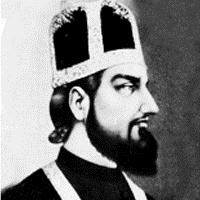
TOP 20 SHAYARI of Shaikh Ibrahim Zauq
tum bhuul kar bhī yaad nahīñ karte ho kabhī
ham to tumhārī yaad meñ sab kuchh bhulā chuke
Interpretation:
Rekhta AI
This couplet presents a stark contrast between the total indifference of the beloved and the absolute absorption of the lover. The poet complains that while the beloved cannot bring themselves to think of him even accidentally, he has sacrificed his awareness of the entire world just to remain immersed in thoughts of her. It highlights the pain of one-sided devotion.
tum bhul kar bhi yaad nahin karte ho kabhi
hum to tumhaari yaad mein sab kuchh bhula chuke
Interpretation:
Rekhta AI
This couplet presents a stark contrast between the total indifference of the beloved and the absolute absorption of the lover. The poet complains that while the beloved cannot bring themselves to think of him even accidentally, he has sacrificed his awareness of the entire world just to remain immersed in thoughts of her. It highlights the pain of one-sided devotion.
-
Tag : Yaad
-
Share this
- Explanation
- Critique
- Comments
- Download
ab to ghabrā ke ye kahte haiñ ki mar jā.eñge
mar ke bhī chain na paayā to kidhar jā.eñge
being agitated I express the hope to die, although
in death, if solace is not found, then where shall I go?
Interpretation:
Rekhta AI
The poet expresses a state of extreme distress where life has become unbearable, making death appear as the only solution for relief. However, a terrifying realization strikes him: if the soul's torment is eternal and continues in the afterlife, there is truly no refuge left in the entire universe. It highlights the inescapable nature of the lover's suffering.
ab to ghabra ke ye kahte hain ki mar jaenge
mar ke bhi chain na paya to kidhar jaenge
being agitated I express the hope to die, although
in death, if solace is not found, then where shall I go?
Interpretation:
Rekhta AI
The poet expresses a state of extreme distress where life has become unbearable, making death appear as the only solution for relief. However, a terrifying realization strikes him: if the soul's torment is eternal and continues in the afterlife, there is truly no refuge left in the entire universe. It highlights the inescapable nature of the lover's suffering.
-
Share this
- Translation
- Explanation
- See Ghazal
- Critique
- Comments
- Download
zāhid sharāb piine se kāfir huā maiñ kyuuñ
kyā DeḌh chullū paanī meñ īmān bah gayā
Interpretation:
Rekhta AI
The poet challenges the rigid religious ascetic (Zahid) who judges faith based solely on rituals and prohibitions. Zauq uses sarcasm to ask how deep spiritual belief (Imaan) can be so fragile that a trivial amount of wine—metaphorically described as a mere 'handful of water'—could destroy it completely.
zahid sharab pine se kafir hua main kyun
kya DeDh chullu pani mein iman bah gaya
Interpretation:
Rekhta AI
The poet challenges the rigid religious ascetic (Zahid) who judges faith based solely on rituals and prohibitions. Zauq uses sarcasm to ask how deep spiritual belief (Imaan) can be so fragile that a trivial amount of wine—metaphorically described as a mere 'handful of water'—could destroy it completely.
-
Tag : Sharab
-
Share this
- Explanation
- See Ghazal
- Critique
- Comments
- Download
ai 'zauq' takalluf meñ hai taklīf sarāsar
ārām meñ hai vo jo takalluf nahīñ kartā
save trouble, in formality, zauq nothing else can be
at ease he then remains he who, eschews formality
Interpretation:
Rekhta AI
The poet argues that social etiquette and formal behavior ('takalluf'), often adopted to please others, actually impose a heavy burden of suffering on the individual. True peace of mind is found only in simplicity, where one is free from the exhausting obligations of artificial manners and societal expectations.
ai 'zauq' takalluf mein hai taklif sarasar
aaram mein hai wo jo takalluf nahin karta
save trouble, in formality, zauq nothing else can be
at ease he then remains he who, eschews formality
Interpretation:
Rekhta AI
The poet argues that social etiquette and formal behavior ('takalluf'), often adopted to please others, actually impose a heavy burden of suffering on the individual. True peace of mind is found only in simplicity, where one is free from the exhausting obligations of artificial manners and societal expectations.
-
Share this
- Translation
- Explanation
- See Ghazal
- Critique
- Comments
- Download
ai 'zauq' dekh duḳhtar-e-raz ko na muñh lagā
chhuTtī nahīñ hai muñh se ye kāfar lagī huī
Interpretation:
Rekhta AI
The poet personifies wine as 'Dukhtar-e-raz' (daughter of the grape) and warns against tasting it. By calling it 'Kafir' (infidel or cruel one), he suggests that wine is an enchanting but dangerous mistress. The core theme is the difficulty of breaking an addiction; once one indulges, the habit refuses to leave.
ai 'zauq' dekh duKHtar-e-raz ko na munh laga
chhuTti nahin hai munh se ye kafar lagi hui
Interpretation:
Rekhta AI
The poet personifies wine as 'Dukhtar-e-raz' (daughter of the grape) and warns against tasting it. By calling it 'Kafir' (infidel or cruel one), he suggests that wine is an enchanting but dangerous mistress. The core theme is the difficulty of breaking an addiction; once one indulges, the habit refuses to leave.
-
Share this
- Explanation
- Critique
- Comments
- Download
'zauq' jo madrase ke bigḌe hue haiñ mullā
un ko mai-ḳhāne meñ le aao sañvar jā.eñge
Interpretation:
Rekhta AI
This verse is a witty satire on religious dogmatism. The poet suggests that the formal seminary (Madrasa) breeds arrogance and rigidity in clerics, whereas the tavern (a metaphor for the path of love and selflessness) cures the ego. It inverts conventional morality, claiming that 'sinful' places can teach humility better than places of worship.
'zauq' jo madrase ke bigDe hue hain mulla
un ko mai-KHane mein le aao sanwar jaenge
Interpretation:
Rekhta AI
This verse is a witty satire on religious dogmatism. The poet suggests that the formal seminary (Madrasa) breeds arrogance and rigidity in clerics, whereas the tavern (a metaphor for the path of love and selflessness) cures the ego. It inverts conventional morality, claiming that 'sinful' places can teach humility better than places of worship.
-
Share this
- Explanation
- See Ghazal
- Critique
- Comments
- Download
ek aañsū ne Duboyā mujh ko un kī bazm meñ
buuñd bhar paanī se saarī aabrū paanī huī
a single tear caused my fall in her company
just a drop of water drowned my dignity
Interpretation:
Rekhta AI
The poet laments that a momentary lapse in emotional control, manifested as a single tear, destroyed his dignity in the beloved's assembly. He uses a clever play on the word 'water,' contrasting the physical teardrop with the metaphorical liquefying of his honor, implying that this small sign of weakness completely washed away his social standing.
ek aansu ne Duboya mujh ko un ki bazm mein
bund bhar pani se sari aabru pani hui
a single tear caused my fall in her company
just a drop of water drowned my dignity
Interpretation:
Rekhta AI
The poet laments that a momentary lapse in emotional control, manifested as a single tear, destroyed his dignity in the beloved's assembly. He uses a clever play on the word 'water,' contrasting the physical teardrop with the metaphorical liquefying of his honor, implying that this small sign of weakness completely washed away his social standing.
-
Tag : Aansoo
-
Share this
- Translation
- Explanation
- Critique
- Comments
- Download
bajā kahe jise aalam use bajā samjho
zabān-e-ḳhalq ko naqqāra-e-ḳhudā samjho
Interpretation:
Rekhta AI
This couplet highlights the sanctity and weight of public consensus. It draws upon the concept that when a large number of people agree on something, it carries a divine validation, akin to the maxim 'Vox populi, vox Dei' (The voice of the people is the voice of God). Therefore, one should respect collective judgment as a reflection of truth.
baja kahe jise aalam use baja samjho
zaban-e-KHalq ko naqqara-e-KHuda samjho
Interpretation:
Rekhta AI
This couplet highlights the sanctity and weight of public consensus. It draws upon the concept that when a large number of people agree on something, it carries a divine validation, akin to the maxim 'Vox populi, vox Dei' (The voice of the people is the voice of God). Therefore, one should respect collective judgment as a reflection of truth.
-
Share this
- Explanation
- See Ghazal
- Critique
- Comments
- Download
ma.alūm jo hotā hameñ anjām-e-mohabbat
lete na kabhī bhuul ke ham nām-e-mohabāt
had I known this is how love would end
even its name would not cross my lips my friend
Interpretation:
Rekhta AI
The poet expresses deep remorse over falling in love, emphasizing the pain and tragedy that awaits at the end of the journey. He suggests that love is so destructive that had he foreseen the outcome, he would have avoided even the slightest association with it.
malum jo hota hamein anjam-e-mohabbat
lete na kabhi bhul ke hum nam-e-mohabaat
had I known this is how love would end
even its name would not cross my lips my friend
Interpretation:
Rekhta AI
The poet expresses deep remorse over falling in love, emphasizing the pain and tragedy that awaits at the end of the journey. He suggests that love is so destructive that had he foreseen the outcome, he would have avoided even the slightest association with it.
-
Share this
- Translation
- Explanation
- Critique
- Comments
- Download
ham rone pe aa jaa.eñ to dariyā hī bahā deñ
shabnam kī tarah se hameñ ronā nahīñ aatā
Interpretation:
Rekhta AI
This couplet is a classic example of poetic exaggeration (hyperbole) used to express the immense depth of the poet's sorrow. He contrasts his overwhelming grief with the delicate, insignificant nature of dew drops, asserting that his pain demands a flood-like release rather than silent, suppressed tears.
hum rone pe aa jaen to dariya hi baha den
shabnam ki tarah se hamein rona nahin aata
Interpretation:
Rekhta AI
This couplet is a classic example of poetic exaggeration (hyperbole) used to express the immense depth of the poet's sorrow. He contrasts his overwhelming grief with the delicate, insignificant nature of dew drops, asserting that his pain demands a flood-like release rather than silent, suppressed tears.
-
Share this
- Explanation
- Critique
- Comments
- Download
laa.ī hayāt aa.e qazā le chalī chale
apnī ḳhushī na aa.e na apnī ḳhushī chale
Interpretation:
Rekhta AI
This couplet captures the philosophical essence of human helplessness regarding existence. It highlights that the two most significant events—birth and death—are entirely out of human control. Man is portrayed as a traveler who follows the dictates of fate without any personal agency in the beginning or the end of his journey.
lai hayat aae qaza le chali chale
apni KHushi na aae na apni KHushi chale
Interpretation:
Rekhta AI
This couplet captures the philosophical essence of human helplessness regarding existence. It highlights that the two most significant events—birth and death—are entirely out of human control. Man is portrayed as a traveler who follows the dictates of fate without any personal agency in the beginning or the end of his journey.
-
Share this
- Explanation
- See Ghazal
- Critique
- Comments
- Download
kitne muflis ho ga.e kitne tavañgar ho ga.e
ḳhaak meñ jab mil ga.e donoñ barābar ho ga.e
however many paupers passed, and wealthy went and came
when they were consigned to dust they were all the same
Interpretation:
Rekhta AI
This couplet highlights the transient nature of worldly status and wealth. Zauq reminds the reader that while society divides people into rich and poor, death serves as the ultimate equalizer. In the end, everyone returns to the same earth, rendering all social hierarchies meaningless.
kitne muflis ho gae kitne tawangar ho gae
KHak mein jab mil gae donon barabar ho gae
however many paupers passed, and wealthy went and came
when they were consigned to dust they were all the same
Interpretation:
Rekhta AI
This couplet highlights the transient nature of worldly status and wealth. Zauq reminds the reader that while society divides people into rich and poor, death serves as the ultimate equalizer. In the end, everyone returns to the same earth, rendering all social hierarchies meaningless.
-
Share this
- Translation
- Explanation
- Critique
- Comments
- Download
ādamiyyat aur shai hai ilm hai kuchh aur shai
kitnā tote ko paḌhāyā par vo haivāñ hī rahā
Interpretation:
Rekhta AI
Zauq distinguishes between accumulating information (knowledge) and possessing moral character (humanity). He uses the metaphor of a parrot, which can mimic human speech through training but lacks human consciousness or ethics. The verse suggests that education alone cannot transform a person's basic nature if true humanity is missing.
aadamiyyat aur shai hai ilm hai kuchh aur shai
kitna tote ko paDhaya par wo haiwan hi raha
Interpretation:
Rekhta AI
Zauq distinguishes between accumulating information (knowledge) and possessing moral character (humanity). He uses the metaphor of a parrot, which can mimic human speech through training but lacks human consciousness or ethics. The verse suggests that education alone cannot transform a person's basic nature if true humanity is missing.
naaz hai gul ko nazākat pe chaman meñ ai 'zauq'
us ne dekhe hī nahīñ nāz-o-nazākat vaale
Interpretation:
Rekhta AI
The poet uses a classic metaphor comparing the beloved to a rose. He mocks the rose's vanity, suggesting that its pride in being delicate is born of ignorance. If the rose were to witness the beloved's superior elegance and tenderness, its arrogance would instantly vanish.
naz hai gul ko nazakat pe chaman mein ai 'zauq'
us ne dekhe hi nahin naz-o-nazakat wale
Interpretation:
Rekhta AI
The poet uses a classic metaphor comparing the beloved to a rose. He mocks the rose's vanity, suggesting that its pride in being delicate is born of ignorance. If the rose were to witness the beloved's superior elegance and tenderness, its arrogance would instantly vanish.
-
Share this
- Explanation
- See Ghazal
- Critique
- Comments
- Download
bosa jo ruḳh kā dete nahīñ lab kā dījiye
ye hai masal ki phuul nahīñ pañkhuḌī sahī
Interpretation:
Rekhta AI
The poet uses a clever and playful argument to negotiate with the beloved. By equating the face to a full flower and the lip to a mere petal, the lover suggests that a kiss on the lips is a modest compromise, citing the proverb that a part is acceptable if the whole is denied.
bosa jo ruKH ka dete nahin lab ka dijiye
ye hai masal ki phul nahin pankhuDi sahi
Interpretation:
Rekhta AI
The poet uses a clever and playful argument to negotiate with the beloved. By equating the face to a full flower and the lip to a mere petal, the lover suggests that a kiss on the lips is a modest compromise, citing the proverb that a part is acceptable if the whole is denied.
-
Tag : Kiss
-
Share this
- Explanation
- Critique
- Comments
- Download
masjid meñ us ne ham ko āñkheñ dikhā ke maarā
kāfir kī shoḳhī dekho ghar meñ ḳhudā ke maarā
Interpretation:
Rekhta AI
This couplet playfully contrasts the sanctity of a place of worship with the worldly power of romantic attraction. The poet refers to the beloved as a 'Kafir' (infidel) to highlight their cruelty or lack of religious regard, noting the irony that the beloved used the lethal power of their gaze to 'kill' the lover within the safety of a mosque.
masjid mein us ne hum ko aankhen dikha ke mara
kafir ki shoKHi dekho ghar mein KHuda ke mara
Interpretation:
Rekhta AI
This couplet playfully contrasts the sanctity of a place of worship with the worldly power of romantic attraction. The poet refers to the beloved as a 'Kafir' (infidel) to highlight their cruelty or lack of religious regard, noting the irony that the beloved used the lethal power of their gaze to 'kill' the lover within the safety of a mosque.
-
Share this
- Explanation
- Critique
- Comments
- Download
ai sham.a terī umr-e-tābī.ī hai ek raat
hañs kar guzār yā ise ro kar guzār de
Interpretation:
Rekhta AI
The poet uses the metaphor of a candle to illustrate the brevity of life, noting that its entire existence is limited to just one dark night. Since the end is inevitable and the time is short, the poet suggests that complaining is futile. It serves as a philosophical reminder that while we cannot control the length of our life, we can choose our attitude towards it.
ai shama teri umr-e-tabii hai ek raat
hans kar guzar ya ise ro kar guzar de
Interpretation:
Rekhta AI
The poet uses the metaphor of a candle to illustrate the brevity of life, noting that its entire existence is limited to just one dark night. Since the end is inevitable and the time is short, the poet suggests that complaining is futile. It serves as a philosophical reminder that while we cannot control the length of our life, we can choose our attitude towards it.
-
Tag : Shama
-
Share this
- Explanation
- Critique
- Comments
- Download
haq ne tujh ko ik zabāñ dī aur diye haiñ kaan do
is ke ye ma.anī kahe ik aur sune insān do
the lord did on our face one mouth and two ears array
for to listen twich as much as we are wont to say
Interpretation:
Rekhta AI
The poet interprets the physical anatomy of the human body as a divine signal for behavioral ethics. By highlighting that humans have one tongue but two ears, Zauq argues that nature intends for us to listen twice as much as we speak. It is a lesson in wisdom, suggesting that silence and attention bring more benefit than excessive talking.
haq ne tujh ko ek zaban di aur diye hain kan do
is ke ye mani kahe ek aur sune insan do
the lord did on our face one mouth and two ears array
for to listen twich as much as we are wont to say
Interpretation:
Rekhta AI
The poet interprets the physical anatomy of the human body as a divine signal for behavioral ethics. By highlighting that humans have one tongue but two ears, Zauq argues that nature intends for us to listen twice as much as we speak. It is a lesson in wisdom, suggesting that silence and attention bring more benefit than excessive talking.
-
Share this
- Translation
- Explanation
- Critique
- Comments
- Download
ḳhat baḌhā kākul baḌhe zulfeñ baḌhīñ gesū baḌhe
husn kī sarkār meñ jitne baḌhe hindū baḌhe
Interpretation:
Rekhta AI
This couplet relies on a classical poetic trope where the word 'Hindu' represents the color black. Zauq playfully describes the overgrowth of facial hair and locks on the beloved's face, suggesting that in the realm of Beauty, the dark elements (hair) are the only ones getting promoted or increasing in influence.
KHat baDha kakul baDhe zulfen baDhin gesu baDhe
husn ki sarkar mein jitne baDhe hindu baDhe
Interpretation:
Rekhta AI
This couplet relies on a classical poetic trope where the word 'Hindu' represents the color black. Zauq playfully describes the overgrowth of facial hair and locks on the beloved's face, suggesting that in the realm of Beauty, the dark elements (hair) are the only ones getting promoted or increasing in influence.
-
Share this
- Explanation
- See Ghazal
- Critique
- Comments
- Download
sab ko duniyā kī havas ḳhvār liye phirtī hai
kaun phirtā hai ye murdār liye phirtī hai
Interpretation:
Rekhta AI
The poet critiques the human obsession with material life, describing worldly greed as an active force that humiliates people. He suggests that humans have lost their agency; they are not moving of their own free will but are being dragged around by their base desires for the world, which is metaphorically compared to a rotting carcass.
sab ko duniya ki hawas KHwar liye phirti hai
kaun phirta hai ye murdar liye phirti hai
Interpretation:
Rekhta AI
The poet critiques the human obsession with material life, describing worldly greed as an active force that humiliates people. He suggests that humans have lost their agency; they are not moving of their own free will but are being dragged around by their base desires for the world, which is metaphorically compared to a rotting carcass.
-
Share this
- Explanation
- See Ghazal
- Critique
- Comments
- Download